Tree Care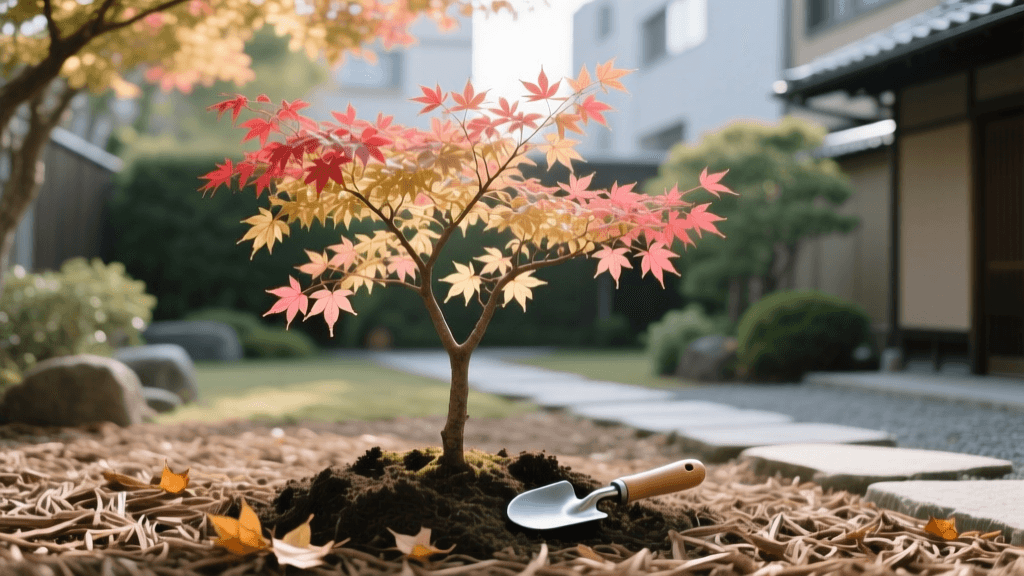
Beginner's Guide to Planting and Growing Japanese Maples
Introduction to Japanese Maples
Japanese maples (Acer palmatum) are widely celebrated for their elegant structure, vibrant seasonal foliage, and versatile landscaping applications. For beginner gardeners, these ornamental trees offer a rewarding introduction to tree care. Unlike massive shade trees that require heavy equipment or complex pruning schedules, Japanese maples are generally slow-growing, manageable in size, and highly responsive to basic horticultural practices. Whether you are looking to create a tranquil Zen garden, add a striking focal point to your front yard, or cultivate a beautiful patio container, understanding the foundational requirements of these trees is essential for long-term success.
In this comprehensive, beginner-friendly growing guide, we will walk you through every step of the process. From selecting the perfect cultivar and preparing your soil to mastering watering schedules and identifying common pests, you will find actionable advice tailored specifically for novice tree caretakers. By the end of this guide, you will have the confidence to plant and nurture a thriving Japanese maple that will beautify your landscape for decades to come.
Choosing the Right Variety for Your Landscape
Before breaking ground, it is crucial to select a variety that matches your spatial constraints and aesthetic preferences. Japanese maples generally fall into two primary growth habits: upright and weeping (dissectum). Upright varieties can reach heights of 15 to 25 feet and serve as excellent small shade trees or privacy screens. Weeping varieties, characterized by their deeply lobed, lace-like leaves and cascading branches, typically remain under 10 feet tall and are ideal for garden borders, water features, or large containers.
| Cultivar Name | Growth Habit | Mature Height | Foliage Color | Hardiness Zones |
|---|---|---|---|---|
| Bloodgood | Upright | 15-20 ft | Deep burgundy red | 5-8 |
| Crimson Queen | Weeping | 8-10 ft | Bright crimson | 5-8 |
| Emperor I | Upright | 10-15 ft | Dark purple-red | 5-8 |
| Sango Kaku | Upright | 15-20 ft | Light green, coral bark | 5-8 |
| Tamukeyama | Weeping | 6-8 ft | Dark purple-red | 5-8 |
When purchasing from a local nursery or online retailer, expect to pay between $40 and $80 for a 3-gallon container, and $100 to $250 for a mature 15-gallon specimen. Always inspect the tree for signs of graft union health, ensuring there are no cracks, oozing sap, or signs of rot at the base where the scion meets the rootstock.
Site Selection and Soil Preparation
Proper siting is the most critical factor in the survival of a newly planted Japanese maple. According to the Clemson University Home & Garden Information Center, these trees thrive in locations that offer dappled sunlight or partial shade. While they can tolerate full sun in cooler northern climates, intense afternoon sun in southern regions will inevitably lead to severe leaf scorch, characterized by crispy, brown leaf margins.
Soil drainage is equally important. Japanese maples despise 'wet feet' and are highly susceptible to root rot in heavy, waterlogged clay soils. Before planting, conduct a simple percolation test: dig a hole 12 inches deep and fill it with water. If the water takes longer than four hours to drain, you will need to amend the soil or consider planting in a raised berm. The ideal soil pH ranges from slightly acidic to neutral (5.5 to 6.5). If your soil is too alkaline, the tree may suffer from chlorosis, a condition where the leaves turn yellow while the veins remain green due to iron deficiency.
Step-by-Step Planting Instructions
Timing is everything. The best times to plant a Japanese maple are in early spring, after the last frost, or in early fall, allowing the root system to establish before the ground freezes. Follow these precise steps for a successful planting:
- Dig the Hole: Excavate a hole that is two to three times as wide as the root ball, but exactly the same depth. Planting too deep is a leading cause of tree mortality. The root flare (where the trunk widens at the base) must sit slightly above the surrounding soil grade.
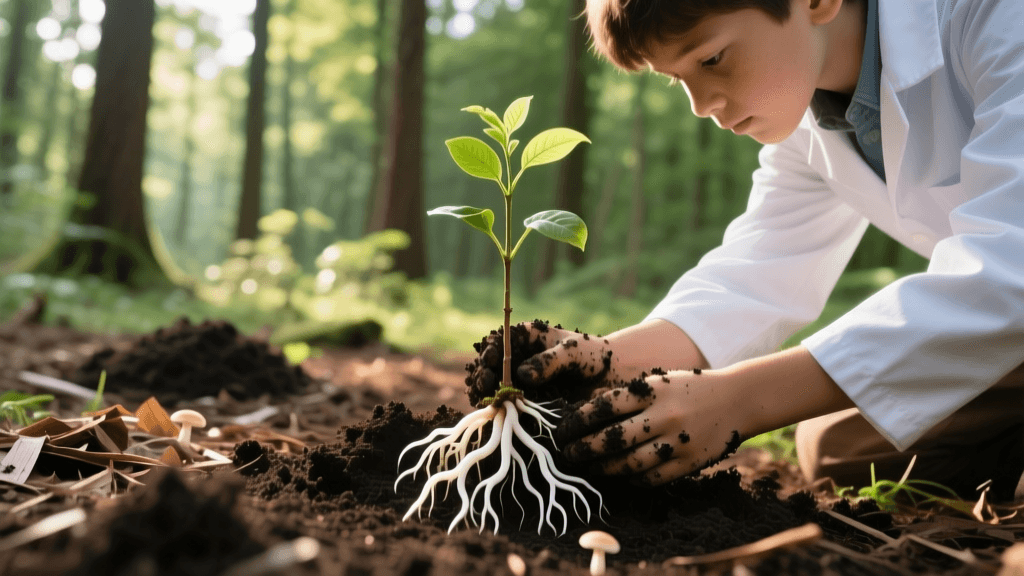
- Prepare the Roots: Gently remove the tree from its nursery pot. If the roots are tightly bound or circling, use a sterilized hand pruner to make four vertical slices down the sides of the root ball and gently tease the outer roots outward.
- Amend the Backfill: Avoid the outdated practice of heavily amending the planting hole with potting soil, which creates a 'bathtub effect.' Instead, mix native soil with 20% organic compost, such as Coast of Maine Quoddy Blend, to encourage roots to expand into the surrounding landscape.
- Backfill and Water: Place the tree in the center of the hole. Backfill halfway, then flood the hole with water to eliminate air pockets. Finish filling the hole and gently tamp the soil down with your hands—never use heavy foot pressure, which compacts the soil.
Watering and Mulching Best Practices
Consistent moisture is vital during the first two growing seasons. The University of Minnesota Extension recommends providing approximately 10 to 15 gallons of water per week for newly planted trees, adjusting for rainfall. Use a soaker hose or drip irrigation system to deliver water slowly and deeply to the root zone, rather than using a high-pressure spray nozzle which can cause runoff and soil erosion.
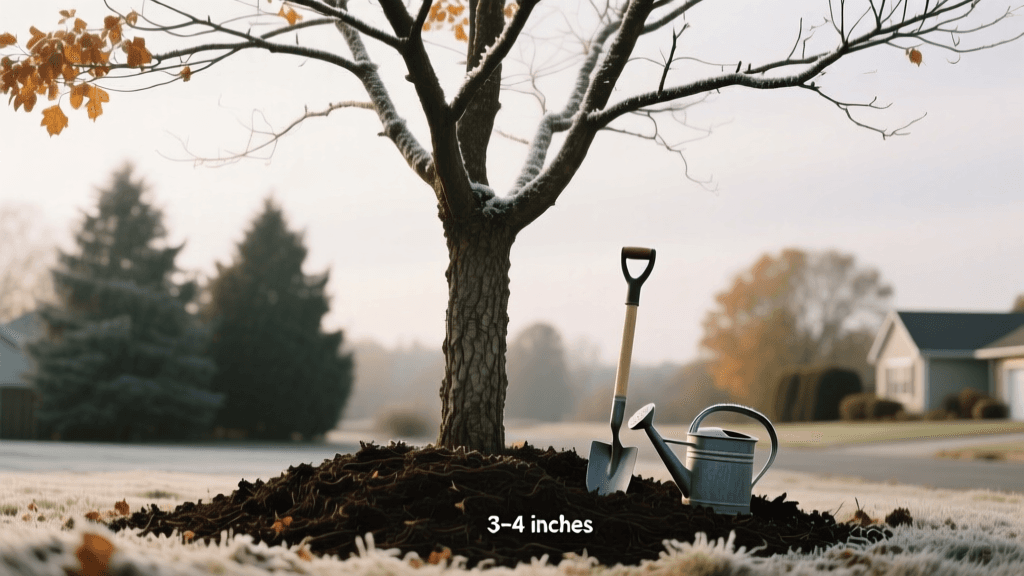
Mulching is non-negotiable for Japanese maple care. Apply a 2 to 3-inch layer of organic mulch, such as shredded hardwood bark or pine needles, over the root zone. This layer regulates soil temperature, retains moisture, and suppresses competing weeds. However, you must practice the 'donut method.' Keep the mulch at least 3 inches away from the trunk itself. Piling mulch against the bark (known as 'volcano mulching') traps moisture, invites fungal pathogens, and encourages girdling roots that will eventually strangle the tree.
Pruning and Seasonal Maintenance
One of the most appealing aspects of Japanese maples for beginners is their minimal pruning requirements. Unlike fruit trees that demand annual structural training, Japanese maples naturally develop a beautiful, tiered canopy. Pruning should be limited to the removal of dead, damaged, or diseased wood, as well as branches that cross and rub against one another.
The optimal time for structural pruning is in late winter while the tree is fully dormant. Pruning in late spring or summer can result in excessive sap bleeding, which, while rarely fatal, weakens the tree and creates an unsightly mess. Always use sharp, sterilized bypass pruners. For weeping varieties, gently lift the cascading branches and prune any shoots that are touching the soil to prevent disease transmission and improve air circulation.
Fertilizing for Optimal Health
Japanese maples are light feeders. Over-fertilizing, particularly with high-nitrogen synthetic lawn fertilizers, can cause rapid, weak growth that is highly susceptible to wind damage and pest infestations. If a soil test indicates a nutrient deficiency, apply a slow-release, acid-loving organic fertilizer like Espoma Holly-tone (NPK 4-3-4) in early spring, just as the buds begin to swell. Broadcast the fertilizer evenly under the drip line of the canopy, keeping it away from the trunk, and water it in thoroughly. Never fertilize a drought-stressed tree or apply fertilizer after mid-summer, as this will stimulate tender new growth that will be killed by the first autumn frost.
Identifying and Managing Common Issues
While generally resilient, Japanese maples can fall victim to specific environmental and biological stressors. Familiarize yourself with these common problems:
- Leaf Scorch: Characterized by brown, crispy edges on the leaves. This is an abiotic issue caused by excessive sun exposure, high winds, or insufficient watering. Relocate potted specimens to a shadier spot and ensure consistent soil moisture.
- Tar Spot: A fungal disease that manifests as raised, black, tar-like spots on the leaves in late summer. While unsightly, it rarely harms the overall health of the tree. Rake and destroy fallen leaves in autumn to remove overwintering spores.
- Japanese Beetles and Aphids: These sap-sucking and leaf-chewing insects can defoliate a small tree. For minor infestations, a strong blast of water from a garden hose can dislodge aphids. For beetles, hand-pick them in the early morning when they are sluggish and drop them into a bucket of soapy water. Avoid broad-spectrum insecticides that harm beneficial pollinators.
- Verticillium Wilt: A devastating soil-borne fungus that causes sudden wilting and dieback of individual branches. According to the Missouri Botanical Garden, there is no chemical cure for this disease. Prevention through proper siting, avoiding root damage, and maintaining optimal soil drainage is your best defense.
Conclusion
Growing a Japanese maple is a deeply rewarding endeavor that enhances the beauty and tranquility of any outdoor space. By respecting the tree's need for dappled shade, well-draining soil, and consistent moisture, even novice gardeners can achieve spectacular results. Remember that tree care is a marathon, not a sprint. Observe your tree through the changing seasons, adjust your watering practices based on the weather, and appreciate the subtle, shifting colors that make Acer palmatum a timeless favorite in landscapes around the world.