Tree Care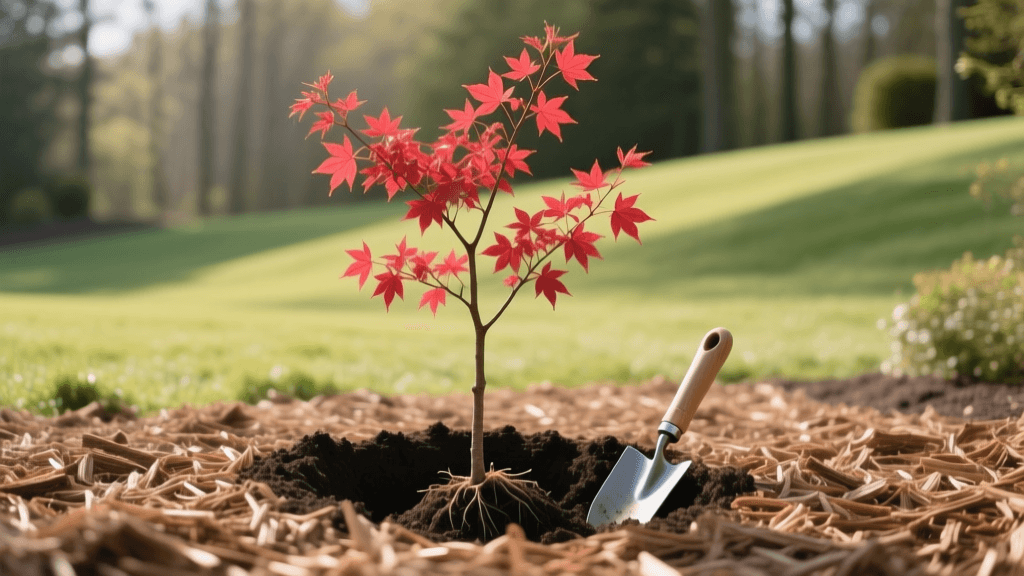
Beginner's Guide to Planting and Growing Red Maple Trees
Why Choose a Red Maple for Your Landscape?
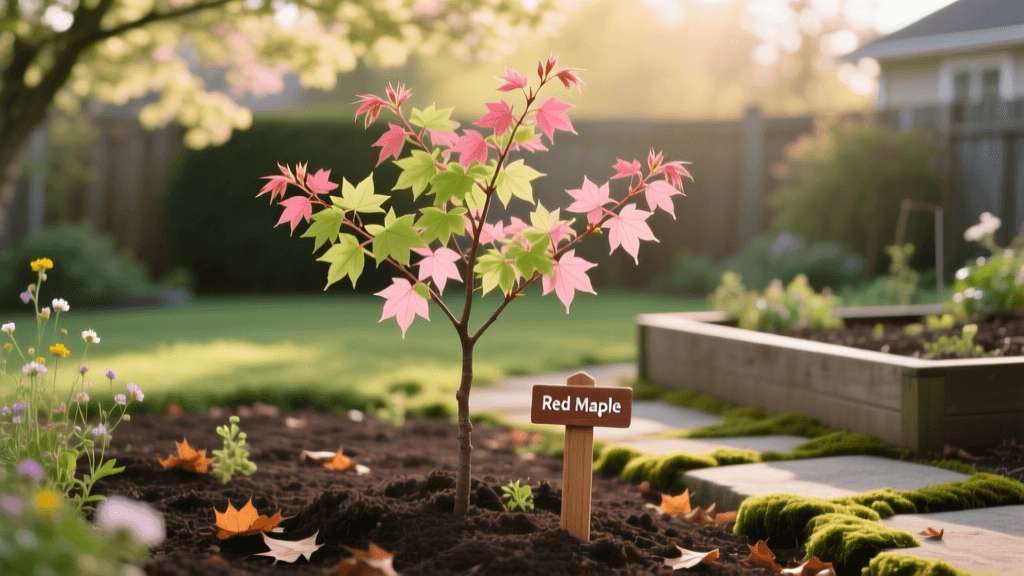
The Red Maple (Acer rubrum) is one of the most popular and rewarding shade trees for beginner gardeners and homeowners across North America. Known for its spectacular, fiery fall foliage and relatively fast growth rate, this native species can transform a barren yard into a lush, shaded oasis in just a few short years. Whether you are looking to lower your summer cooling costs by shading your home or simply want a stunning focal point for your lawn, the Red Maple is an excellent, low-maintenance choice.
At LawnsGuide, we believe that successful tree care starts with a solid foundation. This comprehensive, beginner-friendly growing guide will walk you through everything you need to know about selecting, planting, and nurturing a Red Maple tree, complete with specific product recommendations, exact measurements, and expert timing strategies.
Selecting the Right Red Maple Cultivar
While the straight species of Acer rubrum is beautiful, nurseries typically sell cultivated varieties (cultivars) that have been bred for superior fall color, disease resistance, and predictable growth habits. A 7-gallon to 15-gallon nursery tree typically costs between $60 and $150, depending on the cultivar and your region. Below is a comparison chart of the top three beginner-friendly Red Maple cultivars.
| Cultivar Name | Mature Height | Fall Color | Best Feature for Beginners |
|---|---|---|---|
| October Glory | 40 to 50 feet | Brilliant Crimson Red | Holds leaves late into autumn; highly adaptable to various soils. |
| Red Sunset | 40 to 50 feet | Vivid Orange to Red | Changes color earlier in the fall; excellent cold hardiness. |
| Autumn Blaze | 50 to 60 feet | Deep Crimson | Fastest growth rate (up to 3 feet per year); very drought tolerant once established. |
Site Selection and Timing
Choosing the right location is critical for the long-term health of your tree. Red Maples thrive in full sun to partial shade, requiring at least six hours of direct sunlight daily. They prefer slightly acidic, moist, and well-draining soil. According to the Clemson University Home and Garden Information Center (HGIC), Red Maples prefer a soil pH between 4.5 and 6.5. If your soil is highly alkaline (pH above 7.0), the tree may develop iron chlorosis, a condition that causes leaves to turn yellow while the veins remain green.
When to Plant: The absolute best time to plant a Red Maple is in the early fall (September to October). Planting in the fall allows the tree to establish its root system in the warm soil while the cooler air reduces stress on the canopy. Early spring (March to April), after the last frost, is the second-best option.
Step-by-Step Planting Instructions
Proper planting technique is the single most important factor in your tree's survival. Follow these actionable steps to ensure your Red Maple gets off to a strong start.
Step 1: Dig the Perfect Hole
Dig a hole that is two to three times the width of the root ball, but no deeper than the height of the root ball itself. A common beginner mistake is digging the hole too deep, which can lead to root suffocation and trunk rot. The root flare (the point where the trunk widens at the base) must sit slightly above or exactly at the surrounding soil grade.
Step 2: Amend the Backfill Soil
Red Maples do not require heavy amendments, but mixing in organic matter can help with moisture retention. Mix your native soil with a high-quality organic compost, such as Coast of Maine Quoddy Blend, at a ratio of 70 percent native soil to 30 percent compost. Avoid using pure topsoil or peat moss, as this can create a drainage barrier.
Step 3: Position and Backfill
Carefully lower the tree into the hole, ensuring it is straight. Cut away any burlap, wire baskets, or synthetic strapping from the root ball. Begin backfilling your amended soil mixture, tamping it down gently with your hands or the handle of your shovel to remove large air pockets. Do not stomp on the soil with your feet, as this causes severe compaction.
Step 4: Apply a Root Stimulator
Water the tree deeply immediately after planting. To encourage rapid root development and reduce transplant shock, apply a liquid root stimulator containing Vitamin B1 and IBA (Indole-3-butyric acid), such as Ferti-lome Root Stimulator, following the exact dilution rates on the label.
The Crucial First Year: Watering and Mulching
Young Red Maples have shallow, developing root systems and are highly susceptible to drought stress during their first two years in the ground.
Watering Schedule
During the first growing season, your tree will need approximately 10 to 15 gallons of water per week. Use a slow-drip hose or a tree watering bag (like the Treegator) placed at the base of the trunk. Allow the water to seep slowly over a period of two to three hours. This encourages roots to grow deep into the soil profile rather than lingering near the surface. Always check the soil moisture by digging three inches down near the root ball; if it feels dry, it is time to water.
The 3-3-3 Rule for Mulching
Mulch is a tree's best friend, but improper mulching can be fatal. Follow the '3-3-3' rule recommended by arborists:
- 3 Inches Deep: Apply a layer of organic hardwood mulch no thicker than three inches. Excessive mulch prevents oxygen from reaching the roots.
- 3 Feet Wide: Create a mulch ring that extends at least three feet out from the trunk in all directions to conserve moisture and suppress competing grass.
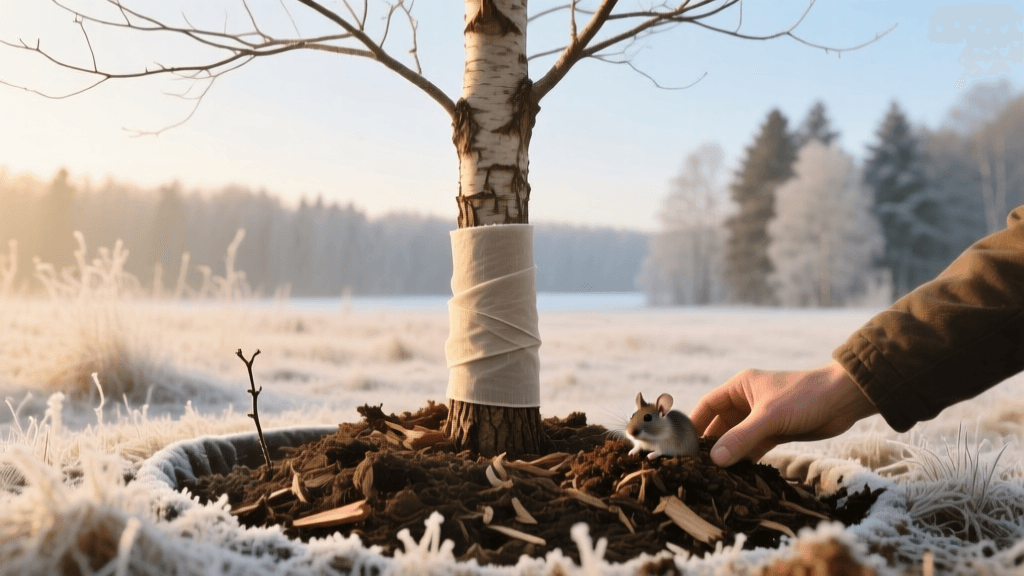
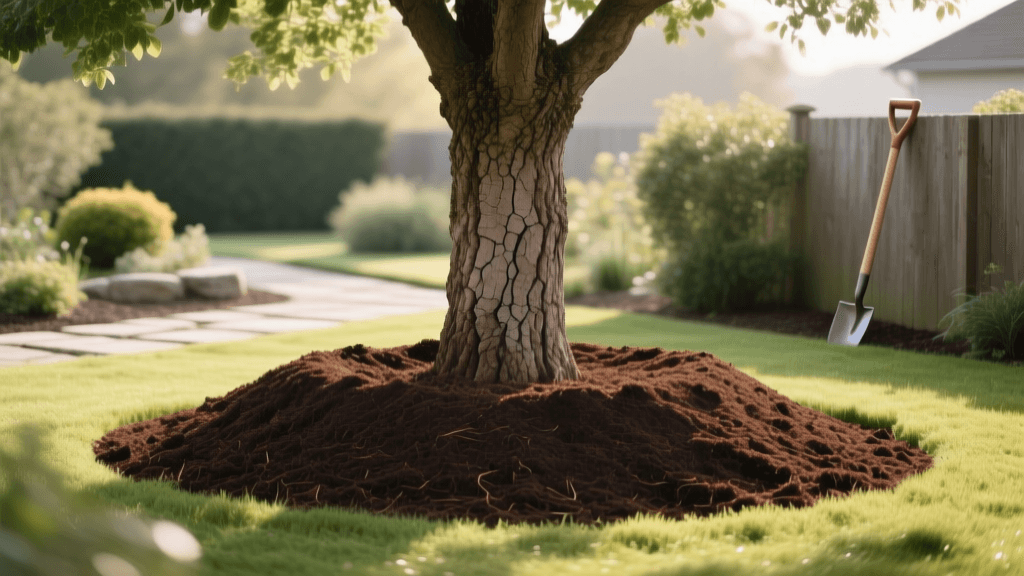
- 3 Inches Away: Keep the mulch at least three inches away from the actual trunk of the tree. 'Volcano mulching' (piling mulch against the bark) invites fungal diseases, rot, and rodent damage.
Pruning and Ongoing Maintenance
Red Maples naturally develop a strong, central leader and require minimal pruning when mature. However, early structural pruning is essential to prevent future storm damage.
When to Prune: Only prune your Red Maple in late winter (January to February) while the tree is fully dormant. Pruning in late spring or summer can cause the tree to 'bleed' excessive sap, which, while not fatal, weakens the tree and attracts pests.
What to Cut: Focus on removing dead, diseased, or crossing branches. If your tree develops co-dominant leaders (two main trunks competing for dominance), select the straighter, stronger one and prune the other back to a lateral branch. Always use sterilized, sharp bypass pruners and make clean cuts just outside the branch collar to promote rapid healing.
Troubleshooting Common Pests and Diseases
While generally robust, Red Maples can occasionally face a few issues. Being able to identify them early is key to beginner success.
- Leaf Scorch: Characterized by brown, crispy edges on the leaves during mid-to-late summer. This is an environmental issue caused by hot, dry winds and insufficient water. Remedy this by increasing your deep-watering sessions and ensuring your mulch ring is intact.
- Verticillium Wilt: A soil-borne fungal disease that causes sudden wilting and dieback of branches on one side of the tree. There is no chemical cure. Prevention is the only strategy; ensure your tree is planted in well-draining soil and avoid planting in areas where previous susceptible plants (like tomatoes or potatoes) were grown.
- Ambrosia Beetles: These tiny pests bore into the bark of stressed trees, leaving behind small 'toothpicks' of sawdust. Keep your tree vigorously growing and well-watered to prevent attacks.
'Red maples are highly adaptable but perform best when their specific moisture and pH requirements are met. Proper planting depth and mulching are the most critical factors in preventing long-term decline in urban landscapes.' - University of Florida IFAS Extension
Final Thoughts
Growing a Red Maple tree is a deeply rewarding investment in your property's future. By selecting the right cultivar, planting at the correct depth, adhering to a strict first-year watering schedule, and applying mulch correctly, you will set your tree up for decades of vigorous growth and breathtaking autumn color. Grab your shovel, head to your local nursery, and start planting your legacy today.