Gardening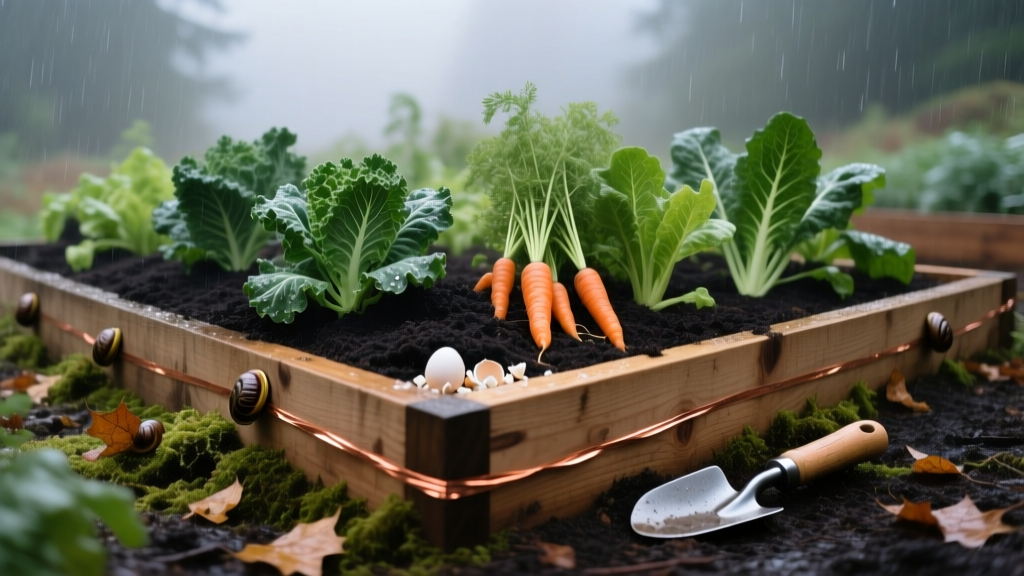
Pacific Northwest Raised Bed Vegetable Gardening Guide
Mike RodriguezPublished
Understanding the PNW Climate and Soil Challenges
The Pacific Northwest (PNW) is renowned for its lush evergreen forests, stunning coastlines, and vibrant agricultural output. However, for the home gardener, the region presents a unique set of climatic challenges. According to the USDA Plant Hardiness Zone Map, the western side of the Cascade Mountains primarily falls into Zones 7 through 9. While these zones suggest mild winters, they do not tell the whole story of the region's Mediterranean-style climate: relentless, heavy rainfall in the spring and late fall, coupled with dry, moderately warm summers and a surprisingly short peak growing window.
Furthermore, native PNW soils are notoriously difficult to work with. Much of the region sits on heavy, poorly draining marine clay or glacial till. When wet, this clay compacts easily, suffocating plant roots and promoting fungal diseases and root rot. When dry in late August, it bakes into a concrete-like crust that repels water. For these reasons, attempting to grow a traditional in-ground vegetable garden in native PNW soil often leads to frustration, stunted growth, and poor yields. Adapting your regional care strategy is not just recommended; it is essential for success.
Why Raised Beds are Essential in the Pacific Northwest
To bypass the limitations of heavy clay and excessive spring moisture, raised bed gardening is the gold standard for PNW growers. Raised beds offer three critical advantages tailored to this specific climate:
- Superior Drainage: By elevating the planting zone 11 to 18 inches above the native grade, you allow gravity to pull excess spring rain away from delicate root systems, preventing the dreaded 'wet feet' that kills early-season transplants.
- Accelerated Soil Warming: The PNW spring is notoriously cool and damp. Soil in raised beds warms up to two weeks faster than ground soil in April and May, allowing you to safely transplant heat-loving crops earlier and maximize the short summer window.
- Pest Exclusion: The region is home to voracious subterranean pests like voles and moles. A properly constructed raised bed allows you to install a physical barrier beneath the soil, protecting your root vegetables from being eaten from below.
Building Your PNW Raised Bed: Materials and Dimensions
When constructing your beds, material selection is vital due to the high moisture environment. Avoid pressure-treated lumber containing harsh chemicals, and avoid cheap pine that will rot within three seasons. Opt for naturally rot-resistant woods like Western Red Cedar or Redwood. Alternatively, high-quality composite lumber offers a lifespan of 20+ years, though it comes at a premium upfront cost.
Recommended Dimensions:
- Width: 4 feet maximum. This ensures you can reach the center of the bed from either side without stepping on and compacting the soil.
- Length: 8 feet is standard and minimizes lumber waste.
- Depth: 11 inches is the minimum for most vegetables, but 18 inches is highly recommended for deep-rooting crops like carrots and parsnips, and it provides better drainage.
Cost and Construction Estimate: Building a standard 4x8x11 inch cedar bed requires three 12-foot cedar boards (cut into 8-foot and 4-foot sections), four corner brackets, and exterior-grade screws. Expect to spend approximately $65 on lumber and $15 on hardware. Crucially, you must line the bottom with 1/2-inch galvanized hardware cloth ($35) to block voles. Total structural cost is roughly $115 per bed, excluding soil.
The Perfect PNW Soil Mix for Heavy Rain
Never fill your raised beds with native clay or cheap 'topsoil' from big-box stores, which often contains high clay content and weed seeds. The OSU Extension PNW 631 Publication emphasizes the need for a loose, well-draining, yet moisture-retentive medium. Because the PNW receives so much rain, your soil must drain rapidly while holding enough organic matter to sustain plants during the dry August weeks.
The Ultimate PNW Raised Bed Recipe:
- 40% High-Quality Topsoil or Loam: Provides the mineral base and structure.
- 40% Organic Compost: Use a diverse, plant-based compost to provide slow-release nutrients and support soil microbiology.
- 20% Aeration and Drainage Material: Use horticultural pumice or lava rock. Avoid perlite; while perlite is fine in containers, the heavy PNW rains and freeze-thaw cycles will cause perlite to float to the surface over time, leaving the lower soil compacted.
Pro Tip: Avoid using sphagnum peat moss, which is hydrophobic when dry and environmentally controversial. Instead, use buffered coconut coir to retain moisture during the late-summer dry spell. If you prefer a bagged solution, products like Black Gold Natural & Organic Raised Bed Mix are formulated well for regional drainage needs, though amending them with an extra 10% pumice is a wise regional adjustment.
Best Vegetables for the PNW Short Summer
The PNW growing season is characterized by cool, overcast springs and warm, dry summers that end abruptly in September. Warm-season crops like tomatoes and peppers must be selected for their 'Days to Maturity' (DTM). A 90-day heirloom tomato that thrives in California will likely fail to ripen in Seattle or Portland. Focus on cool-season brassicas, root vegetables, and short-season warm crops.
For comprehensive regional planting dates and variety trials, WSU Extension Gardening Resources provides invaluable localized data. Below is a structured planting guide optimized for the maritime PNW climate (Zones 8a-8b).
| Crop | Recommended Variety | Sow Indoors | Transplant Out | Days to Maturity |
|---|---|---|---|---|
| Tomatoes | Stupice, Early Girl, Sun Gold | March 15 - April 1 | May 15 - June 1 | 55 - 65 |
| Carrots | Mokum, Napoli, Yaya | Direct Sow April 15 | N/A | 50 - 60 |
| Kale | Winterbor, Red Russian | July 1 | August 1 | 50 - 60 |
| Garlic | Chesnok Red, German Red | N/A | October 15 | 240+ (Overwinter) |
| Peppers | Shishito, Early Jalapeno | March 1 | June 1 | 60 - 70 |
Pest Management: Winning the War on Slugs
In the Pacific Northwest, slugs are the apex predators of the vegetable garden. The damp spring and mild winters allow slug populations to explode, and they can decimate a bed of tender lettuce or carrot seedlings in a single night. Traditional beer traps are largely ineffective in the PNW because the sheer volume of slugs overwhelms the traps, and the beer attracts them from neighboring yards into yours.
Actionable Slug Control Strategy:
- Iron Phosphate Baits: Use organic-certified iron phosphate baits (such as the brand Sluggo). Unlike metaldehyde, which is highly toxic to dogs and local wildlife, iron phosphate is safe for pets and breaks down into a natural soil fertilizer. Apply it in the evening after a rain shower.
- Copper Barriers: Line the top perimeter of your cedar raised beds with 2-inch copper tape. When slug slime reacts with the copper, it creates a mild electrical charge that deters them from crossing into the bed.
- Watering Discipline: Always water your raised beds in the early morning. Watering in the evening leaves the soil surface damp overnight, creating a perfect highway for nocturnal slug feeding.
Season Extension Techniques for the Maritime Northwest
Because the PNW summer heat is fleeting, extending your season at both the front and back ends is the secret to a year-round harvest. In early spring, use floating row covers like Agribon 19 over your raised beds. This lightweight frost blanket protects early transplants from late April frosts while allowing light and rain to penetrate, and it warms the microclimate by 2 to 4 degrees.
As autumn approaches and the heavy October rains begin, transition to low tunnel hoop houses. By bending 1/2-inch PVC pipes over your raised beds and covering them with 6-mil greenhouse plastic, you create a mini-greenhouse. This keeps the relentless autumn rain off your fall crops, preventing fungal blights on tomatoes and rot on winter squash. Crops like kale, spinach, and overwintering carrots will thrive under plastic tunnels well into December, providing fresh produce while the rest of the garden goes dormant.
Regional Gardener's Mantra: 'Feed the soil, drain the roots, and outsmart the slugs.' By respecting the unique microclimates of the Pacific Northwest and leveraging the drainage and warming benefits of raised beds, you can transform a challenging environment into one of the most productive gardening regions in the country.
