Tree Care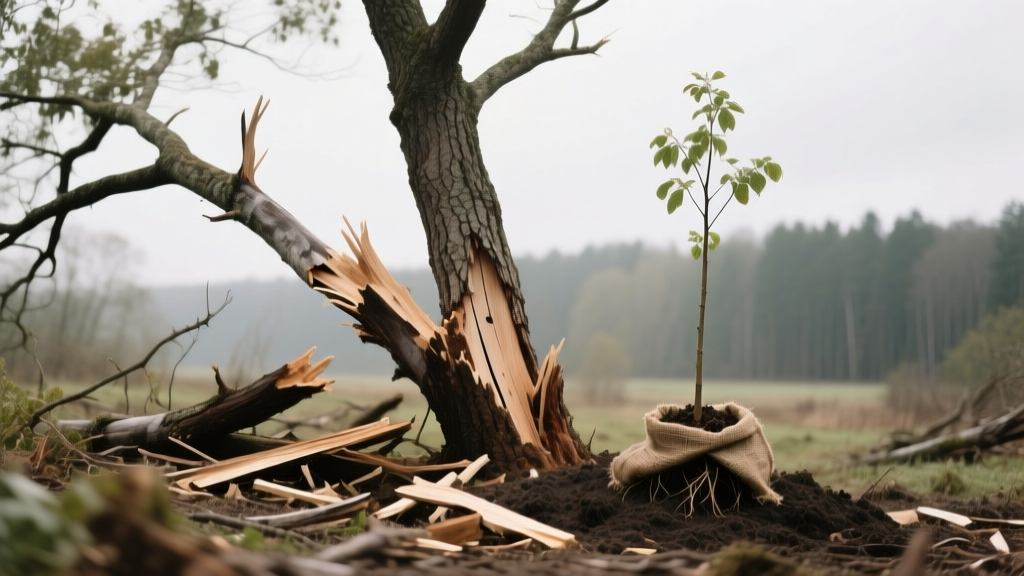
Storm Damage Tree Triage 2026: Assess, Repair or Replace
Sarah ChenPublished
The 2026 Climate Reality: Why Tree Triage Matters
As we navigate the increasingly volatile weather patterns of 2026, severe windstorms, microbursts, and heavy ice events are taking a significant toll on urban and suburban canopies. When a storm tears through your property, the immediate aftermath can be overwhelming. Homeowners are often left staring at splintered trunks, uprooted root balls, and hanging limbs, unsure of what to do next. This is where the concept of 'tree triage' becomes essential. Triage is the process of rapidly assessing damage to determine the most effective course of action: can the tree be saved through targeted repair, or is it a hazard that requires immediate removal and strategic replanting?
From a tree selection and planting perspective, a storm-damaged tree presents a critical decision point. Removing a compromised tree is not just about clearing debris; it is an opportunity to correct past planting mistakes, improve soil structure, and select a wind-firm species that will thrive in the evolving 2026 climate. This comprehensive guide will walk you through the assessment, repair, and replanting process to ensure your landscape remains safe, resilient, and beautiful for decades to come.
Step 1: Immediate Safety and Hazard Assessment
Before you even think about pruning or planting, you must secure the area. Storm-damaged trees are highly unpredictable. A cracked trunk or a hanging branch under tension can snap without warning, causing severe injury or property damage. According to the International Society of Arboriculture (ISA), homeowners should never attempt to remove large, storm-damaged limbs or trees near power lines on their own. If a tree or branch has fallen on or is touching a utility line, treat it as energized and lethal. Contact your local utility company immediately.
Once utility hazards are ruled out, perform a visual perimeter check. Look for 'widowmakers'—broken branches that are caught in the canopy and could fall at any moment. Also, inspect the base of the tree for soil heaving or lifted roots, which indicates that the tree's anchor system has failed and the entire tree could topple in the next breeze. If you observe severe leaning, soil cracking at the base, or massive trunk splits, evacuate the area and call a certified arborist.
Step 2: The Triage Decision Matrix (Repair vs. Remove)
Once the area is safe, you must evaluate the extent of the damage. Not every broken branch is a death sentence for a tree, but structural compromises often are. Use the following decision matrix to determine whether your tree is a candidate for repair or if it is time to remove and replant.
| Damage Indicator | Threshold for Repair | Threshold for Removal |
|---|---|---|
| Canopy Loss | Less than 30% of the crown is damaged or stripped. | More than 50% of the canopy is destroyed, starving the tree of energy. |
| Trunk Damage | Minor bark stripping or small, clean branch tears. | Deep vertical cracks, split crotches, or missing bark exceeding 30% of the circumference. |
| Root System | Tree is perfectly upright with no soil heaving. | Tree is leaning, root plate is lifted, or major anchor roots are snapped. |
| Tree Health (Pre-Storm) | Tree was vigorous, young, and free of decay prior to the storm. | Tree was already in decline, suffering from fungal conks, or heavily infested with borers. |
| Target Zone | Tree is in a low-traffic, naturalized area of the yard. | Tree overhangs a home, driveway, or high-traffic pedestrian area. |
If your tree falls into the 'Removal' column for multiple categories, do not attempt to save it. A severely compromised tree will spend all its energy trying to seal massive wounds, leaving it highly susceptible to disease and structural failure in the next storm.
Step 3: How to Properly Repair a Damaged Tree
If your tree is a good candidate for repair, the goal is to help it seal its wounds and restore its structural balance. The University of Minnesota Extension emphasizes that trees have their own built-in defense mechanisms, known as Compartmentalization of Decay in Trees (CODIT). Your job is to facilitate this process, not hinder it.
First, perform corrective pruning. Using sharp, sterilized bypass pruners or a pruning saw, make clean cuts just outside the branch collar—the swollen area where the branch meets the trunk. Never leave jagged stubs, and never flush-cut against the trunk, as this destroys the collar and invites rot. Remove all splintered, torn, or hanging wood to prevent further tearing of the bark.
Second, resist the urge to apply tree paint, wound dressings, or sealants. Modern arboriculture science has definitively proven that these products trap moisture and decay-causing fungi inside the wound. Trees heal best when exposed to air, allowing the callus tissue to form naturally over the injury. Finally, ensure the tree receives adequate water during the recovery period, especially during dry spells, to support the energy-intensive healing process.
Step 4: Safe Removal and Site Remediation
When removal is the only safe option, hire an ISA Certified Arborist to dismantle the tree safely. Once the wood is gone, you are left with a stump and a disrupted soil profile. Do not simply grind the stump and immediately drop a new tree into the exact same hole. Stump grinding leaves behind a massive pocket of decaying wood chips and sawdust, which will rob the soil of nitrogen as it decomposes and create a sinkhole as the wood rots away.
Instead, have the stump ground as deeply as possible, remove the bulk of the wood chips, and backfill the area with high-quality native topsoil mixed with organic compost. Allow the site to settle for a few weeks. This is also the perfect time to test your soil pH and nutrient levels. Storms can cause severe soil compaction from heavy equipment and debris; consider using an air spade or broadfork to gently aerate the surrounding soil before replanting.
Step 5: Replanting for Storm Resilience (Selection & Planting Guide)
The loss of a mature tree is a blow to your landscape, but it offers a blank canvas for better tree selection. In 2026, selecting wind-firm, climate-adapted species is more important than ever. When choosing a replacement, consider the tree's mature size, its wood density, and its root architecture. Trees with deep, spreading root systems and flexible wood are far more likely to survive future microbursts and ice storms.
Top Wind-Resistant Tree Selections for 2026
- Live Oak (Quercus virginiana): A staple in southern landscapes, its low center of gravity and incredibly strong, flexible wood make it highly resistant to hurricane-force winds.
- Bald Cypress (Taxodium distichum): Excellent for wet soils, this tree develops a massive, buttressed root system that anchors it firmly against uprooting.
- Ginkgo Biloba (Male cultivars only): Known for its incredible resilience to urban stress, pests, and extreme weather, the Ginkgo's flexible branches rarely snap under ice loads.
- Swamp White Oak (Quercus bicolor): A hardy, adaptable shade tree with a robust root system that tolerates both drought and temporary flooding, anchoring it securely in shifting soils.
- Musclewood (Carpinus caroliniana): A smaller understory tree with incredibly dense, flexible wood that bends rather than breaks in high winds.
Proper Planting Techniques to Prevent Future Uprooting
Selecting the right tree is only half the battle; how you plant it dictates its storm resilience for the next fifty years. The number one cause of tree failure in storms is improper planting depth. When a tree is planted too deep, the vital root flare is buried, causing the trunk to rot and the structural roots to girdle the tree underground. A girdled tree has no structural anchor and will easily blow over in a moderate windstorm.
When planting your replacement tree, dig a hole that is two to three times wider than the root ball, but no deeper. The root flare—the point where the trunk widens and transitions into roots—must be fully visible and sit slightly above the surrounding grade. Backfill with the native soil you dug out, avoiding the temptation to amend the backfill with heavy compost, which can create a 'bathtub effect' that traps water and rots roots.
Finally, avoid staking the tree unless it is in an extremely exposed, high-wind corridor or has a disproportionately large canopy for its root ball. Trees need to sway in the wind to develop reaction wood and trunk taper, which are essential for long-term structural strength. If you must stake, use wide, flexible straps and remove them after one growing season. Apply a 2-to-3-inch layer of organic mulch in a wide donut shape around the tree, keeping it strictly away from the trunk to prevent moisture buildup and rodent damage.
Conclusion
Storm damage is an inevitable part of homeownership, but it does not have to result in long-term landscape degradation. By applying careful triage, making objective decisions about repair versus removal, and utilizing modern, science-backed planting techniques, you can transform a storm-ravaged yard into a resilient, thriving canopy. Take the time to assess, remediate the soil, and select the right wind-firm species for your specific microclimate. Your future self—and your property—will thank you when the next severe weather event rolls through.
