Gardening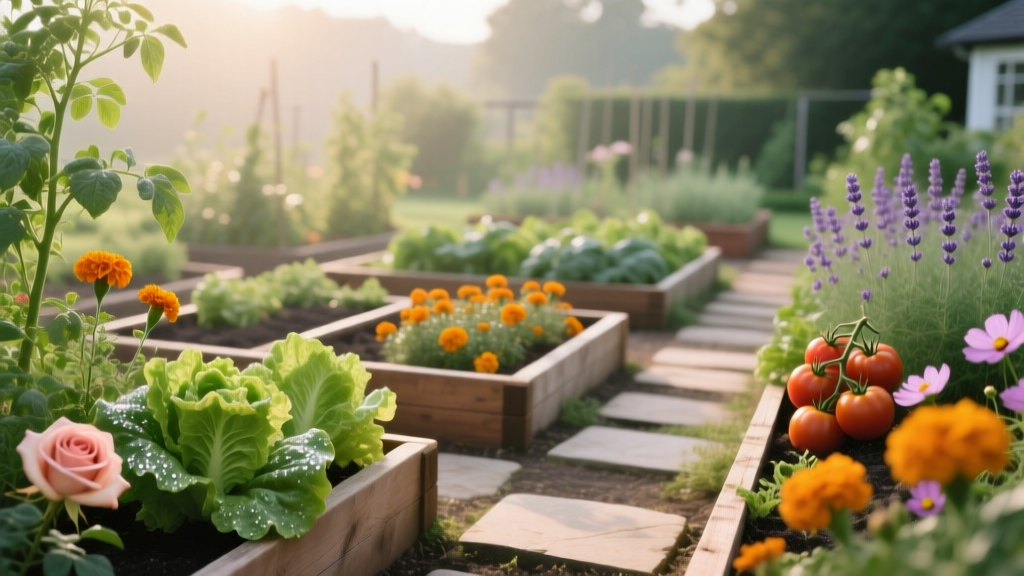
Potager Garden Design: Layout Ideas and Planting Plans
Emily WatsonPublished
The Renaissance of the Potager Garden
The concept of the potager (pronounced po-tah-zhay) garden has captivated horticulturists and homeowners alike for centuries. Translating roughly to 'soup pot' in French, a potager is far more than a simple vegetable patch; it is a meticulously designed kitchen garden where the boundaries between edible crops and ornamental landscaping are beautifully blurred. Unlike traditional row-crop farming that prioritizes sheer caloric yield, the potager garden prioritizes aesthetics, geometry, and the harmonious integration of vegetables, herbs, fruits, and flowers.
Originating in the monastic gardens of the Middle Ages and evolving into the grand parterres of the French Renaissance, the modern potager is highly adaptable to suburban and urban spaces. According to the Royal Horticultural Society (RHS), the kitchen garden should be treated as a primary visual feature of the landscape, encouraging gardeners to grow food in spaces traditionally reserved for purely ornamental plants. By combining structural design with intensive planting techniques, you can create a garden that feeds both the body and the soul.
Essential Design Principles for Kitchen Gardens
Designing a functional and beautiful potager requires a departure from standard agricultural rows. The goal is to create an immersive, accessible, and visually striking space. Here are the core principles to guide your layout planning.
1. Create a Strong Structural Framework
A successful kitchen garden relies on geometry and enclosure. Whether you use a formal cross-path layout or a series of parallel raised beds, the framework dictates the flow of the garden. Raised beds are the cornerstone of modern potager design. To ensure you can comfortably reach the center of the bed without stepping on and compacting the soil, beds should be no wider than 4 feet. The length can vary, but 8-foot to 12-foot lengths are standard for structural integrity and ease of crop rotation. Furthermore, the University of Minnesota Extension recommends pathways that are at least 3 feet wide to accommodate a standard wheelbarrow and allow for comfortable kneeling and harvesting.
2. Incorporate Vertical Elements
Flat gardens can feel monotonous. Introduce height and architectural interest by utilizing vertical growing spaces. Cedar wood tuteurs (teepees), wrought-iron obelisks, and arched cattle panel trellises serve dual purposes: they support heavy vining crops like indeterminate tomatoes, pole beans, and cucumbers, while also acting as sculptural focal points during the dormant winter months. Positioning an arbor at the entrance of the garden, draped with climbing nasturtiums or scarlet runner beans, creates a welcoming threshold that defines the space.
3. Interplant Edibles with Ornamentals
The defining characteristic of a potager is the intermingling of plant types. Instead of dedicating a single bed entirely to kale, edge the bed with vibrant Swiss chard, underplant with creeping thyme, and intersperse with French marigolds. This practice, known as companion planting, not only creates a tapestry of colors and textures but also confuses pests and attracts vital pollinators. As noted by the Old Farmer's Almanac, strategic interplanting can significantly reduce pest pressure while maximizing space efficiency in small garden footprints.
Layout Planning: Dimensions, Materials, and Costs
When planning your space, consider a 16-foot by 16-foot footprint as an ideal starting point for a suburban backyard. This allows for four 4x8-foot raised beds arranged around a central focal point, such as a birdbath, a dwarf fruit tree, or a small herb spiral.
- Raised Beds: Four 4x8-foot beds, constructed from 11-inch tall untreated cedar or composite lumber. Expect to spend $150 to $250 per bed for materials and hardware.
- Soil Amendment: Filling these beds requires approximately 96 cubic feet of soil. A premium blend of topsoil, coconut coir, and aged compost (such as Coast of Maine Quoddy Blend) will cost roughly $300 to $450 if bought in bulk or bagged.
- Vertical Supports: Two heavy-duty cattle panel trellises with T-post supports will run about $120.
- Pathway Materials: Covering 64 square feet of pathways with landscape fabric and 1/2-inch crushed pea gravel will cost approximately $150.
Total estimated startup cost for a high-quality 16x16 potager framework ranges from $1,000 to $1,500, an investment that pays dividends in both property value and grocery savings over time.
Pathway Materials Comparison
The pathways in a potager garden are just as important as the beds. They define the geometry and manage drainage. Below is a comparison of popular pathway materials to help you decide what fits your design vision and maintenance preferences.
| Material | Aesthetic Appeal | Drainage | Maintenance Level | Estimated Cost (per sq ft) |
|---|---|---|---|---|
| Crushed Pea Gravel | High (Formal/Rustic) | Excellent | Low (Occasional raking) | $1.50 - $3.00 |
| Decomposed Granite | High (Modern/Clean) | Good | Medium (Requires stabilizer) | $2.00 - $4.00 |
| Arborist Wood Chips | Medium (Natural/Woodland) | Moderate | High (Replenish annually) | $0.50 - $1.00 (Often Free) |
| Brick Pavers | Very High (Classic/Estate) | Poor (Requires base prep) | Low (Weeding between joints) | $8.00 - $15.00 |
| Creeping Thyme (Living) | Very High (Romantic/Cottage) | Moderate | High (Pruning, watering) | $3.00 - $6.00 (Plugs) |
Plant Selection: The Potager Companion Chart
Selecting the right plants is where the artistry of the potager truly shines. You want a mix of structural plants, trailing plants, and vibrant blooms. Below is a structured planting plan that pairs primary edible crops with complementary flowers and herbs to maximize both visual impact and biological synergy.
| Primary Edible Crop | Companion Flower | Companion Herb | Design Purpose & Biological Benefit |
|---|---|---|---|
| Indeterminate Tomatoes | Orange Calendula | Sweet Basil | Trellised height; Calendula deters nematodes; Basil masks tomato scent from hornworms. |
| Zucchini & Summer Squash | Nasturtiums (Trailing) | Dill & Borage | Groundcover; Nasturtiums act as a trap crop for aphids; Borage attracts heavy pollinators. |
| Curly Kale & Swiss Chard | Alyssum (White/Purple) | Chamomile | Leaf texture contrast; Alyssum attracts predatory hoverflies that eat cabbage aphids. |
| Bush Beans | Scarlet Runner Beans | Summer Savory | Color blocking; Runner beans add vertical red accents; Savory improves bean flavor and deters beetles. |
| Eggplant | French Marigolds | Cilantro | Deep purple foliage contrast; Marigolds repel root-knot nematodes; Cilantro attracts parasitic wasps. |
Soil Preparation and Seasonal Succession
The foundation of any productive potager is its soil. Because you are planting intensively, the soil must be rich in organic matter and well-draining. Before filling your beds, test your native soil pH if you are building directly on the ground. Aim for a slightly acidic to neutral pH (6.0 to 7.0). When filling raised beds, use a modified Mel's Mix or a premium raised bed blend consisting of 60% high-quality topsoil, 30% organic compost, and 10% aeration material like perlite or pumice. Top-dress the beds with 2 inches of fresh compost every early spring and late autumn to replenish nutrients depleted by heavy feeders like tomatoes and brassicas.
To keep the potager looking lush and productive from early spring through late autumn, you must embrace succession planting. As soon as early crops like radishes, spring lettuce, and peas are harvested in early summer, immediately amend the soil with a handful of organic granular fertilizer and transplant heat-loving crops like bush beans or autumn brassicas. In late autumn, sow a cover crop such as crimson clover or winter rye in empty beds. This protects the soil structure from winter erosion, fixes nitrogen, and provides a beautiful, living green geometry during the barren winter months.
'A garden is not just a place to grow food; it is an outdoor room that should be designed with the same care, intention, and artistic flair as the interior of your home.' - Traditional French Potager Philosophy
Final Thoughts on Garden Planning
Designing a potager garden is a deeply rewarding endeavor that transforms the chore of food production into a daily visual delight. By establishing a strong geometric framework, investing in quality hardscaping and soil, and thoughtfully interplanting edibles with ornamentals, you create a resilient ecosystem right in your backyard. Start small, master the layout of a single 4x8 bed, and expand your kitchen garden as your confidence and culinary ambitions grow. With careful planning and a commitment to seasonal succession, your potager will provide a bountiful harvest and a stunning landscape feature for years to come.
