Gardening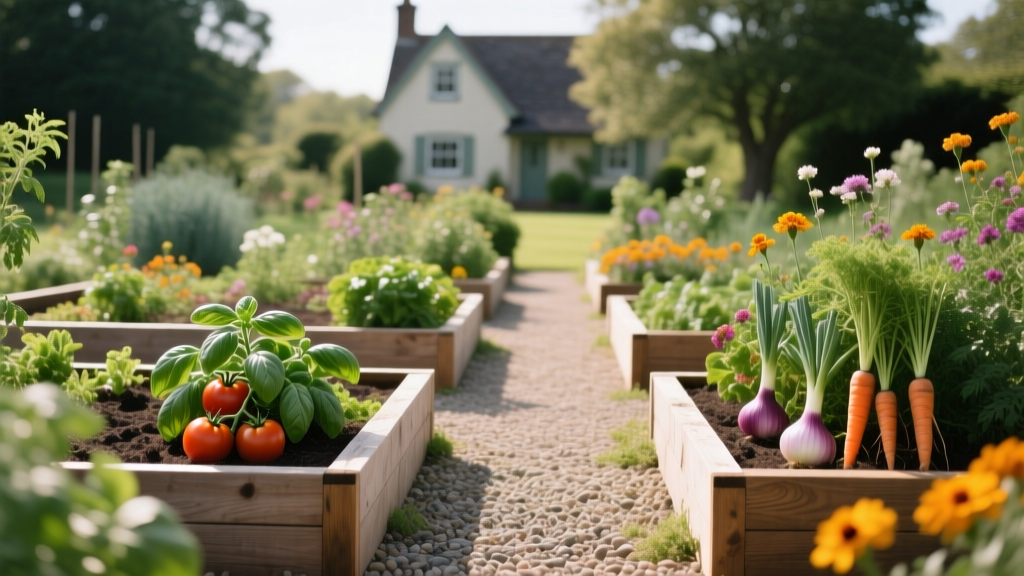
The Ultimate Potager Garden Design and Layout Guide
Sarah ChenPublished
The Art of the Potager: Blending Beauty and Bounty
A potager garden, derived from the French term jardin potager (soup garden), is a culinary and ornamental kitchen garden that marries the utility of vegetable production with the aesthetic principles of landscape design. Unlike traditional row-crop gardens that prioritize maximum yield over visual appeal, a potager is designed to be viewed, enjoyed, and harvested year-round. Planning a potager requires a thoughtful approach to hardscaping, geometry, plant height, color theory, and seasonal succession. Whether you have a sprawling suburban backyard or a compact urban lot, designing a structured kitchen garden elevates your outdoor space into a living masterpiece.
Step 1: Site Selection and Microclimate Mapping
Before sketching your layout, you must understand your land. A successful potager requires a minimum of six to eight hours of direct sunlight daily. Spend a few days tracking the sun's movement across your yard, noting how shadows from trees, fences, and your home shift from morning to evening. Avoid low-lying areas where cold air settles, creating frost pockets that can damage tender spring seedlings. Additionally, ensure your chosen site is within 50 to 100 feet of a reliable water source. Hauling heavy watering cans across a sprawling lawn will quickly diminish the joy of tending your garden. Test your native soil drainage by digging a 12-inch hole, filling it with water, and timing how long it takes to drain. If water remains after four hours, raised beds will be essential to prevent root rot.
Step 2: Hardscaping and Raised Bed Dimensions
Raised beds are the backbone of most modern potager designs. They provide excellent drainage, warm up faster in the spring, and allow you to control the soil profile entirely. According to the University of Minnesota Extension, raised beds also reduce soil compaction because gardeners never need to step inside the growing area. When planning your dimensions, keep beds no wider than 4 feet. This ensures you can comfortably reach the center (2 feet) from either side without stretching or stepping on the soil. Lengths can vary, but 8-foot or 10-foot boards are standard, minimizing cuts and waste. Depth should be at least 12 inches for leafy greens and herbs, but 18 to 24 inches is ideal for deep-rooting crops like tomatoes, carrots, and parsnips. Fill your beds with a high-quality blend, such as the popular 'Mel's Mix' consisting of one-third blended compost, one-third coarse vermiculite, and one-third peat moss or coconut coir, to ensure a fluffy, nutrient-dense environment.
Raised Bed Material Comparison
| Material | Estimated Cost (4x8 Bed) | Lifespan | Design Aesthetic & Notes |
|---|---|---|---|
| Untreated Cedar | $150 - $250 | 10 - 15 Years | Classic, natural look. Weathers to a silvery gray. Naturally rot-resistant. |
| Composite Timber | $250 - $400 | 20+ Years | Modern, uniform. Zero maintenance, but can bow if not properly braced. |
| Galvanized Steel | $120 - $200 | 15 - 20 Years | Industrial farmhouse aesthetic. Heats up quickly; requires a food-safe liner. |
| Brick / Stone Masonry | $500 - $1,000+ | 50+ Years | Formal, traditional European potager style. Permanent and highly structural. |
Step 3: Designing the Layout and Pathways
The layout of your potager should reflect your home's architectural style and your personal taste. Formal potagers rely on strict symmetry, geometric shapes (squares, rectangles, and circles), and a central focal point like a sundial, birdbath, or dwarf fruit tree. Informal or cottage-style potagers utilize curved pathways and asymmetrical bed placements. Regardless of the style, pathway planning is critical. Main pathways should be at least 36 to 48 inches wide to accommodate a wheelbarrow or garden cart, while secondary paths between beds can be 18 to 24 inches wide. For pathway materials, decomposed granite offers a permeable, elegant crunch, while arborist woodchips are a budget-friendly, weed-suppressing option that breaks down over time to feed the surrounding soil. Consider installing steel or stone edging along your pathways to prevent mulch from spilling into the beds and to maintain crisp, clean lines that define the formal potager aesthetic.
Step 4: Incorporating Vertical Structures and Focal Points
A flat garden lacks visual intrigue. Vertical elements draw the eye upward, maximize growing space, and improve air circulation around vining crops. Incorporate obelisks, tuteurs, or arched trellises at the intersections of your pathways or at the back of your raised beds. An 8-foot cattle panel bent into an archway and secured with T-posts creates a stunning, durable tunnel for growing scarlet runner beans, cucumbers, or small melons. Planting fragrant climbing roses or nasturtiums to weave through your vegetable trellises blurs the line between the ornamental flower garden and the edible kitchen garden, a hallmark of true potager design.
Step 5: Companion Planting for Aesthetic and Biological Harmony
In a potager, companion planting serves a dual purpose: it deters pests and creates stunning visual contrasts. The Old Farmer's Almanac highlights that interplanting specific species can confuse insect predators and attract vital pollinators. When planning your design, pair plants with contrasting leaf shapes, textures, and colors. For instance, the deep, ruffled purple leaves of 'Red Russian' kale provide a striking backdrop for the bright orange blooms of marigolds. Below are some highly effective and visually striking companion pairings for your layout:
- Tomatoes and Basil: A classic culinary and biological pairing. Basil repels thrips and flies, while its low, bushy green habit acts as a living mulch around the tomato base.
- Carrots and Alliums (Onions/Leeks): The strong scent of alliums masks the smell of carrots, deterring the destructive carrot rust fly. Visually, the tall, upright allium spikes contrast beautifully with feathery carrot tops.
- Brassicas and Nasturtiums: Nasturtiums act as a trap crop, drawing aphids away from your prized cabbages and broccoli. Their vibrant, trailing jewel-toned flowers spill elegantly over the edges of raised beds.
- Sweet Corn and Pole Beans: Utilizing the Native American 'Three Sisters' method, the corn provides a natural trellis for the beans, while the beans fix nitrogen in the soil.
Step 6: Seasonal Succession and Crop Rotation Planning
A well-designed potager is never empty. Succession planting ensures that as one crop finishes, another is ready to take its place, maintaining the garden's lush appearance from early spring to late autumn. Plan your spring layout around fast-growing ephemerals like radishes, spinach, and peas. By early summer, these beds can be transitioned into heat-loving crops like bush beans, zucchini, or Swiss chard. As noted by Penn State Extension, maintaining a detailed garden journal and mapping out your crop rotation is vital for preventing soil-borne diseases and managing nutrient depletion. Never plant crops from the same botanical family (like nightshades or brassicas) in the exact same bed in consecutive years.
"A garden is a grand teacher. It teaches patience and careful watchfulness; it teaches industry and thrift; above all, it teaches entire trust." - Gertrude Jekyll, pioneering garden designer.
Final Thoughts on Garden Planning
Designing a potager garden is an investment in both your landscape and your lifestyle. By carefully considering hardscaping materials, bed dimensions, vertical architecture, and the visual synergy of companion plants, you can create a space that is as breathtaking as it is bountiful. Start with a manageable footprint—perhaps just four 4x8 raised beds arranged in a simple cross or square pattern—and expand your design as your confidence and skills grow. With a solid plan in hand, your kitchen garden will become the vibrant, productive heart of your outdoor living space for years to come.
