Gardening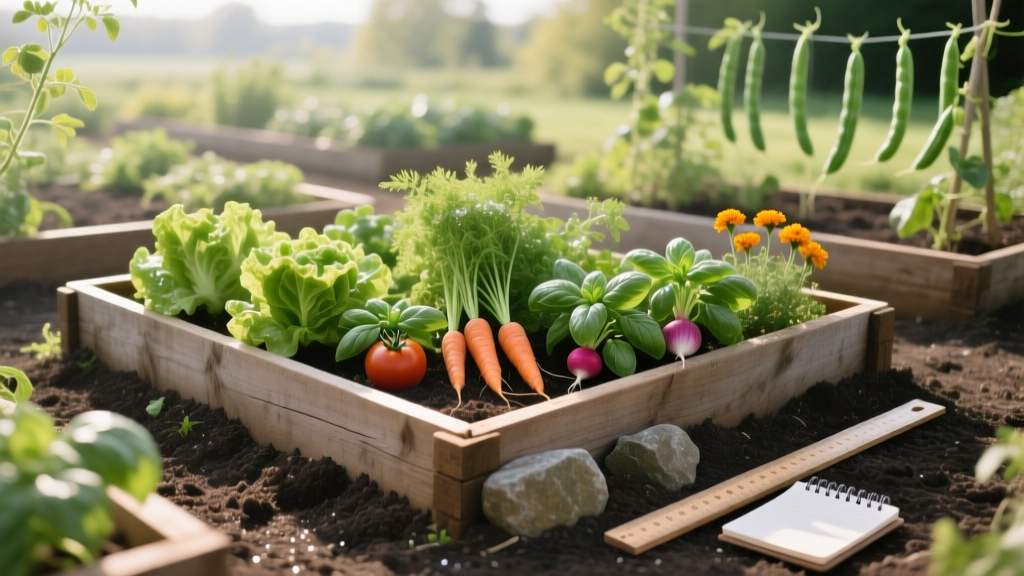
Designing a Potager Garden: Layouts and Planting Tips
Mike RodriguezPublished
The Art and Utility of the Potager
The potager (pronounced po-ta-zhay) is a French term that translates roughly to 'kitchen garden,' but it represents much more than a simple plot for growing vegetables. Unlike traditional row-crop gardens that prioritize maximum yield over aesthetics, a potager seamlessly blends the utility of food production with the beauty of ornamental landscaping. Originating in the monasteries of the Middle Ages and later perfected in the grand estates of the French Renaissance, such as the iconic Château de Villandry, the potager relies on geometry, symmetry, and vibrant color palettes to create an outdoor living space that engages all five senses.
Designing a potager requires a shift in perspective. You are not merely planting crops; you are painting with foliage, flowers, and textures. By integrating edible plants with ornamental flowers, herbs, and structural elements, you can create a landscape that is as visually striking as it is productive. Whether you have a sprawling backyard or a modest urban lot, the principles of potager design can be scaled to fit your space while providing a bountiful harvest.
Core Design Principles: Geometry and Enclosure
The foundation of any successful potager is its underlying geometric structure. While traditional vegetable gardens often feature long, parallel rows, a potager utilizes patterns such as squares, rectangles, diamonds, and circles. This geometric approach creates a sense of order and formality, even in a casual, cottage-style setting.
Enclosure is another vital element. According to the Royal Horticultural Society (RHS), defining the boundaries of your garden rooms or beds helps to create microclimates, protect delicate crops from harsh winds, and establish a sense of intimacy. Enclosure can be achieved through low boxwood hedges, woven willow fencing, espaliered fruit trees, or even trellises covered in climbing beans and sweet peas. This structural framing acts as the 'bones' of the garden, providing visual interest even during the dormant winter months when the beds are empty.
Hardscaping: Bed Dimensions and Pathway Planning
When transitioning from paper to soil, precise measurements are critical for both aesthetics and ergonomics. Raised beds are the preferred method for potager gardens because they improve drainage, warm up faster in the spring, and allow for intensive planting. The Penn State Extension recommends that raised beds should never exceed 4 feet in width. This ensures that the average gardener can comfortably reach the center of the bed from either side without stepping on and compacting the carefully prepared soil.
Standard Measurements and Material Costs
- Bed Width: 3 to 4 feet maximum.
- Bed Length: 8 to 12 feet (longer beds can become visually monotonous and difficult to navigate around).
- Bed Depth: 12 to 18 inches to accommodate deep-rooted crops like carrots and parsnips.
- Pathway Width: Minimum 2 feet for foot traffic; 3 to 4 feet if you need to navigate a wheelbarrow or cart.
Material Selection and Budgeting
The materials you choose for your hardscaping will dictate the garden's overall tone and your initial budget. Untreated cedar and redwood are classic choices that offer natural rot resistance and a warm, rustic aesthetic, typically costing between $150 and $250 per 4x8 foot kit. For a more modern or industrial look, Corten steel raised beds are incredibly durable and develop a beautiful rust patina over time, though they are a premium investment, often ranging from $300 to $600 per bed. For pathways, decomposed granite and crushed gravel provide excellent drainage and a satisfying crunch underfoot, while wood chips offer a softer, more organic feel and help suppress weeds as they break down into the soil.
Soil Preparation for Intensive Planting
Because potager gardens rely on high-density planting to maximize both yield and visual impact, the soil must be exceptionally rich and well-aerated. A popular and highly effective soil blend for raised beds is the 'Square Foot Gardening' mix, which consists of one-third blended compost, one-third peat moss (or coconut coir as a sustainable alternative), and one-third coarse vermiculite. This mixture retains moisture while remaining light and fluffy, allowing roots to penetrate easily and supporting the dense spacing required for intricate potager patterns.
A successful potager is not just a place to grow food; it is an outdoor living space that engages all five senses through texture, color, and fragrance.
Before each planting season, top-dress your beds with an inch or two of fresh compost and a balanced organic fertilizer to replenish the nutrients consumed by the previous season's heavy feeders.
Companion Planting Matrix for Aesthetic and Functional Harmony
In a potager, companion planting serves a dual purpose: it deters pests and enhances growth, while simultaneously creating striking visual contrasts. Pairing the delicate, fern-like foliage of carrots with the broad, vibrant leaves of Swiss chard, or underplanting towering tomatoes with a carpet of trailing nasturtiums, maximizes every square inch of space. Below is a strategic companion planting chart designed specifically for the ornamental kitchen garden.
| Main Crop | Ornamental Companion | Plants to Avoid | Design & Functional Benefit |
|---|---|---|---|
| Tomatoes | Basil, Marigolds | Brassicas, Fennel | Marigolds deter nematodes; basil improves flavor and provides lush, low-growing green filler. |
| Carrots | Alliums, Rosemary | Dill, Parsnips | Alliums mask the scent of carrots from rust flies; rosemary adds woody, architectural texture. |
| Brassicas (Kale, Cabbage) | Nasturtiums, Dill | Grapes, Strawberries | Nasturtiums act as a trap crop for aphids and spill beautifully over bed edges. |
| Pole Beans | Sweet Peas, Corn | Alliums | Sweet peas attract pollinators and share trellis space, adding fragrance and vertical color. |
Vertical Structures and Focal Points
A flat garden lacks drama. To elevate your potager design, incorporate vertical elements that draw the eye upward and maximize growing space for vining crops. Obelisks, wrought-iron trellises, and wooden arbors serve as structural focal points while supporting crops like peas, pole beans, cucumbers, and indeterminate tomatoes. Placing a large, decorative obelisk in the center of a square bed, surrounded by a ring of vibrant 'Bright Lights' chard and a border of alyssum, creates a stunning, tiered wedding-cake effect that is both highly productive and photogenic.
Succession Planting for Four-Season Visual Interest
One of the greatest challenges in garden design is maintaining visual interest after the summer harvest fades. The University of Minnesota Extension emphasizes that succession planting is vital for continuous harvests, but in a potager, it is equally vital for continuous color. Plan your garden in three distinct acts:
- Spring Act: Utilize cool-season crops that offer brilliant foliage, such as 'Ruby Perfection' red cabbage, purple peas, and flowering kale. Interplant with pansies and snapdragons for early pops of color.
- Summer Act: Transition to heat-loving crops like 'Bull's Blood' beets, striped eggplants, and fiery orange zinnias. Use tall sunflowers as temporary, living screens.
- Autumn/Winter Act: As summer crops fade, plant hardy greens like mizuna and mustard, which feature deeply lobed, burgundy and chartreuse leaves. Incorporate hellebores and ornamental cabbages to ensure the garden remains a structured, beautiful space even under a light dusting of snow.
By treating your vegetable garden as a dynamic, evolving landscape, you will create a potager that is a feast for the eyes long before the harvest ever reaches your kitchen table.
