Tree Care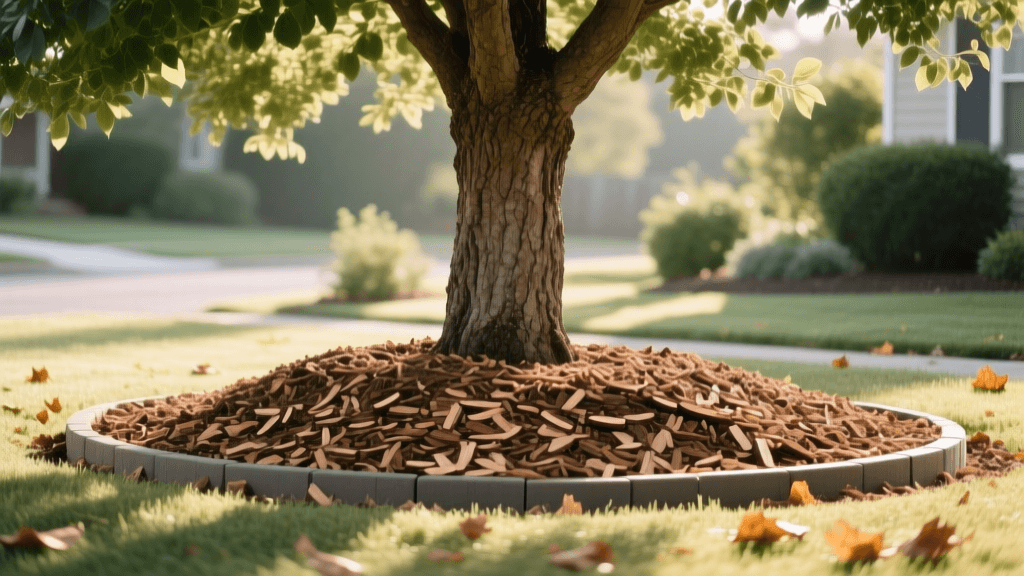
Expert Tree Mulching Guide: Best Practices for Root Health
The Foundation of Tree Health: Why Mulching Matters
When it comes to long-term tree care, few practices are as universally recommended—and yet so frequently misunderstood—as mulching. In a natural forest ecosystem, trees are surrounded by a deep, continuously replenishing layer of decomposing organic matter. This layer regulates soil temperature, retains vital moisture, suppresses competitive weeds, and slowly feeds the complex web of mycorrhizal fungi that support the tree's root system. Replicating this environment in your home landscape is one of the most impactful investments you can make for your trees. However, improper mulching techniques can suffocate roots, invite devastating pests, and ultimately lead to the premature decline of even the most robust specimens. In this comprehensive guide, we will explore expert tips and best practices for tree mulching, ensuring your landscape thrives for decades to come.
The Anatomy of a Properly Mulched Tree: Exposing the Root Flare
Before a single wheelbarrow of mulch is dumped, you must understand the critical anatomy of the tree's base. The most important structural feature to locate is the root flare. This is the area where the trunk widens and transitions into the structural root system. In a healthy, properly planted tree, the root flare should be partially visible above the soil grade. When mulch, soil, or sod is piled over the root flare, the tree is essentially being buried alive. The bark at the base of the trunk is not designed to retain moisture or withstand the constant darkness and humidity created by a thick layer of organic matter. Prolonged exposure to these conditions leads to bark maceration, fungal infections, and the development of girdling roots—roots that grow in circles around the trunk and eventually strangle the tree's vascular system.
The 'Volcano Mulching' Epidemic
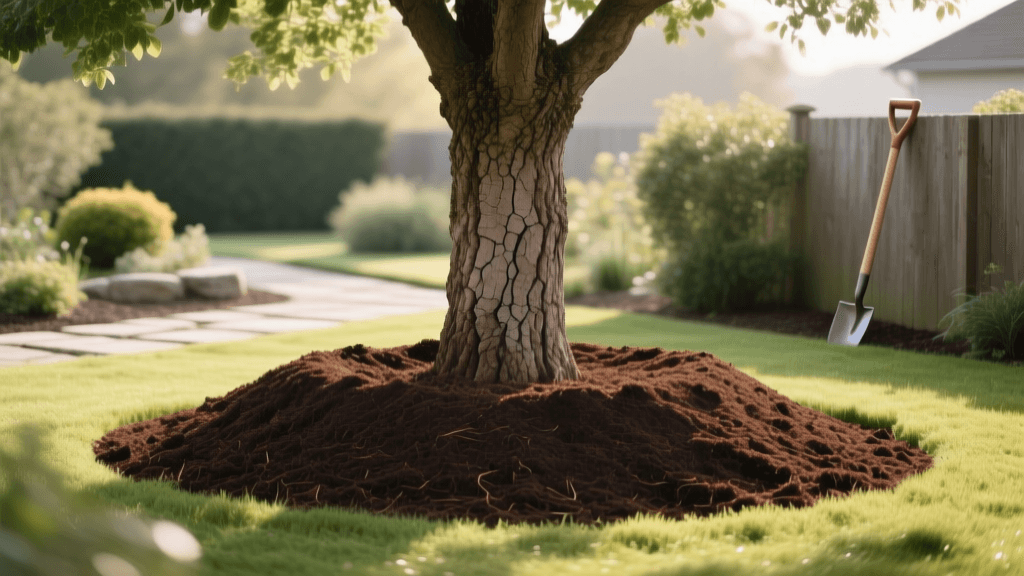
Drive through almost any suburban neighborhood or commercial park, and you will likely witness the pervasive trend of 'volcano mulching.' This occurs when mulch is piled high against the trunk of the tree, resembling a miniature volcano. While this may look tidy to the untrained eye, certified arborists consider it one of the most detrimental practices in modern landscaping. According to the International Society of Arboriculture (ISA), volcano mulching creates a hostile environment for the trunk while simultaneously starving the actual root zone of oxygen. Tree roots require a delicate balance of water and soil gases (oxygen and carbon dioxide) to perform cellular respiration. A thick, compacted mound of mulch against the trunk forces the tree to send out secondary, adventitious roots into the mulch pile in search of oxygen. These weak surface roots are highly susceptible to drought stress and winter freeze damage, while the primary structural roots below the soil line suffocate and die off.
Selecting the Best Mulch Materials for Tree Zones
Not all mulches are created equal. The best mulch for trees mimics the natural forest floor: coarse, organic, and slow to decompose. Avoid highly processed, finely shredded mulches that can mat together and form a hydrophobic (water-repelling) barrier. Furthermore, never use dyed mulches or rubber mulch in tree zones, as these can leach harmful chemicals and heavy metals into the soil profile, disrupting microbial life.
Below is a comparison chart of common mulch types to help you select the best material for your specific tree species and landscape needs:
| Mulch Type | Decomposition Rate | Soil Benefits | Best Use Case |
|---|---|---|---|
| Coarse Arborist Wood Chips | Slow (2-4 years) | Prevents soil compaction, allows excellent gas exchange, fosters mycorrhizal fungi. | Large tree zones, woodland edges, newly planted trees. |
| Double-Shredded Hardwood Bark | Medium (1-2 years) | Adds organic matter, retains moisture well, suppresses weeds effectively. | General landscape beds, ornamental trees, high-visibility areas. |
| Pine Straw (Needles) | Fast (6-12 months) | Slightly acidifies soil, excellent drainage, prevents erosion on slopes. | Acid-loving trees (Pines, Oaks, Magnolias), sloped terrain. |
| Rubber / Inorganic Mulch | None | None. Can leach toxins, traps heat, blocks water penetration. | NOT RECOMMENDED for any tree or plant health applications. |
Step-by-Step Expert Mulching Application Guide
To achieve the optimal mulch layer that promotes vigorous root growth and protects the trunk, follow these precise, industry-standard steps:
1. Clear the Competing Vegetation
Begin by removing grass, weeds, and old, matted mulch from the base of the tree. For a newly planted tree, clear a circle with a minimum radius of 3 feet (6 feet in diameter). For mature trees, the mulch ring should ideally extend to the tree's drip line (the outer edge of the canopy), though a 4 to 6-foot radius is often more practical for residential lawns. Use a sharp spade or a hand trowel to slice through turf roots, avoiding deep digging that could sever the tree's vital surface feeder roots.
2. Expose and Inspect the Root Flare
If the tree has been previously volcano-mulched or planted too deeply, carefully excavate the soil and mulch away from the trunk until the root flare is fully exposed. You may need an air spade (a tool that uses compressed air to safely move soil without damaging roots) for severely buried trees. Inspect the exposed flare for girdling roots and carefully prune them using sterilized bypass pruners if they are choking the main trunk.
3. Apply the '3-Inch Rule'
Spread your chosen organic mulch evenly across the cleared zone. The golden rule of mulching depth is 2 to 4 inches. Any deeper, and you risk restricting soil oxygen levels; any shallower, and the mulch will fail to suppress weeds or regulate soil temperature. Use a steel landscape rake to distribute the material evenly, ensuring it is slightly thicker at the outer edges of the ring and tapers down as it approaches the trunk.
4. Create the 'Donut' Shape
Never let the mulch touch the bark of the tree. Pull the mulch back 3 to 5 inches from the trunk, creating a hollow center that resembles a donut. This gap ensures that the trunk bark remains dry and exposed to the air, preventing rot and deterring rodents like voles and mice from nesting in the mulch and chewing on the tree's cambium layer during the winter months.
Seasonal Timing and Ongoing Maintenance
The timing of your mulch application can significantly influence its effectiveness. Early to mid-spring is generally the ideal time to apply fresh mulch. This allows the soil to warm up from the winter freeze before being insulated, which encourages early root growth and helps retain moisture heading into the hot summer months. Fall mulching is also beneficial, particularly for newly planted trees, as it insulates the root zone against extreme temperature fluctuations and frost heaving.
Maintenance is equally important. Avoid the temptation to 'top-dress' your mulch beds every single spring without checking the existing depth. Over time, organic mulch breaks down and incorporates into the soil, which is highly beneficial. However, if you add a fresh 3-inch layer on top of last year's undecomposed layer, you will quickly exceed the 4-inch maximum depth, leading to the exact same suffocation issues as volcano mulching. Before adding new mulch, rake the existing bed to break up any fungal mats or hydrophobic crusts, and measure the current depth. Only add enough new material to bring the total depth back to the 3-inch sweet spot.
Troubleshooting Common Mulching Issues
Even with the best practices, you may encounter a few minor issues. Artillery fungus (Sphaerobolus stellatus) is a common nuisance in shredded hardwood mulch, shooting tiny, tar-like spores onto nearby siding and vehicles. To prevent this, avoid using mulch that contains a high percentage of composted green waste or manure, and ensure your mulch pile is not sitting in a constantly wet, shaded area. If you notice a white, powdery substance on the surface of your mulch, this is likely a harmless saprophytic fungus breaking down the wood. Simply rake the surface to introduce oxygen and break up the fungal network.
Expert Insights and Authoritative Guidance
The practices outlined above are not merely anecdotal; they are backed by decades of arboricultural research. According to the Cornell University Urban Horticulture Institute, maintaining a wide, properly applied mulch ring is the single most effective way to reduce transplant shock and accelerate the establishment of new trees. Furthermore, the USDA Forest Service emphasizes that mulch rings reduce soil compaction from foot traffic and lawn mowers, which is a leading cause of urban tree decline.
"Mulch should be applied in a wide, flat ring resembling a donut, never a volcano. Keeping mulch away from the trunk and maintaining a depth of no more than 3 to 4 inches ensures optimal gas exchange and prevents the devastating formation of girdling roots." — International Society of Arboriculture (ISA) Best Management Guidelines.
Conclusion
Mastering the art and science of tree mulching is a cornerstone of proactive tree care. By respecting the anatomy of the root flare, selecting appropriate organic materials, and strictly adhering to the 3-inch donut rule, you provide your trees with the ultimate defense against environmental stress, drought, and mechanical damage. Implement these expert best practices today, and your landscape will reward you with vibrant, resilient, and majestic trees for generations to come.