Tree Care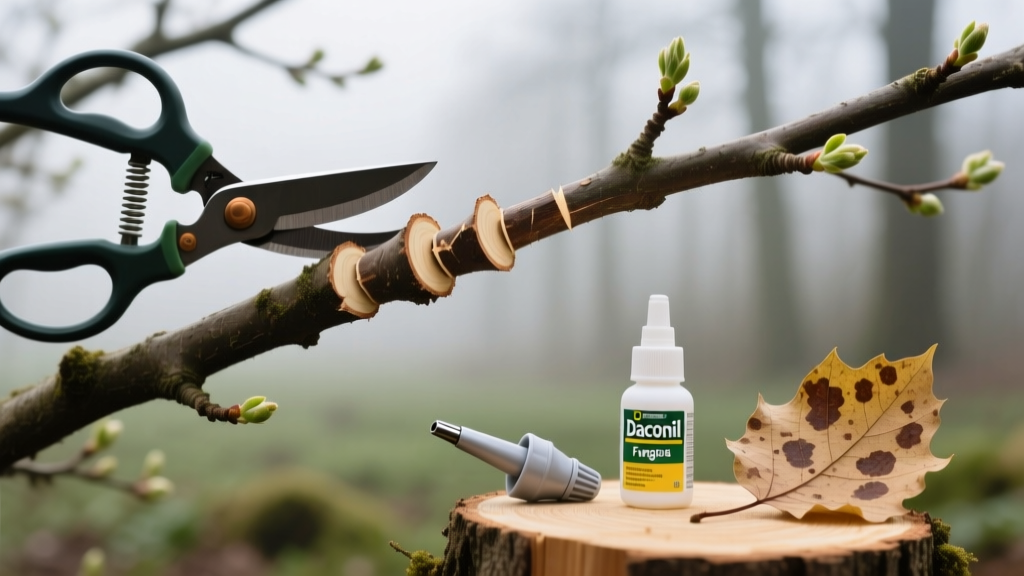
Anthracnose Pruning & Daconil Treatment Guide 2026
Robert HayesPublished
Introduction to Anthracnose Management in 2026
As we navigate the 2026 growing season, shifting climate patterns and increased spring moisture have made anthracnose one of the most prevalent fungal diseases affecting shade and ornamental trees. Anthracnose is not a single disease but a complex of fungal pathogens (primarily from the genera Gnomonia, Apiognomonia, and Discula) that attack a wide variety of trees, including sycamore, oak, ash, dogwood, and maple. Left unchecked, it causes severe defoliation, twig dieback, and structural weakening.
Successfully managing anthracnose requires a dual-pronged approach: strategic pruning methods to eliminate the fungal inoculum and improve canopy airflow, combined with the timely application of a protectant fungicide like Daconil (chlorothalonil). This comprehensive guide will walk you through the exact pruning techniques, timing schedules, and Daconil application protocols necessary to protect your landscape trees this year.
Identifying Anthracnose in Your Trees
Before you make a single pruning cut or mix a drop of fungicide, accurate identification is critical. Anthracnose symptoms often mimic other environmental stresses or fungal leaf spots, but there are distinct hallmarks to look for in 2026:
- Leaf Spots and Blight: Irregular, tan to brown lesions that often form along the leaf veins or margins. In severe cases, entire leaves turn brown and wither.
- Twig Dieback and Cankers: The fungus overwinters in infected twigs and branches, forming sunken, discolored cankers. You may notice 'witches' brooms' or clusters of dead twigs in the lower canopy.
- Premature Defoliation: Heavily infected trees, particularly sycamores and dogwoods, may drop a significant portion of their leaves by early summer.
For a detailed visual breakdown of these symptoms across different tree species, the University of Minnesota Extension provides an excellent diagnostic resource for homeowners and arborists.
Pruning Methods for Anthracnose Control
Pruning is the most critical cultural control method for anthracnose. Because Daconil is a contact fungicide rather than a systemic cure, it cannot heal already infected wood or eradicate cankers hidden beneath the bark. Pruning physically removes the overwintering fungal bodies and alters the microclimate of the tree canopy.
Canopy Thinning and Airflow
Anthracnose thrives in cool, wet, and stagnant environments. By selectively thinning the canopy, you allow sunlight to penetrate and wind to circulate, which rapidly dries the foliage after morning dew or rainstorms. Focus on removing crossing branches, inward-growing water sprouts, and densely packed interior limbs. According to pruning guidelines outlined by the University of Maryland Extension, removing no more than 15% to 20% of the live canopy in a single season is ideal to prevent stressing the tree while maximizing airflow.
Targeted Canker and Dieback Removal
When removing infected twigs and branches, you must cut well past the visible margin of the infection. Locate the sunken canker on the branch and make your pruning cut at least 6 to 8 inches below the lowest visible edge of the discoloration, ensuring you are cutting into clean, healthy, white/green wood. Always make your cuts just outside the branch collar to promote rapid compartmentalization and wound closure.
Strict Tool Sanitation Protocols
Pruning tools can easily spread anthracnose spores from an infected branch to a healthy one. In 2026, industry best practices dictate that you must sterilize your bypass pruners, loppers, and pruning saws between every single cut when dealing with active cankers. Keep a spray bottle of 70% isopropyl alcohol or a 10% bleach solution on hand. Wipe the blades thoroughly and allow the solution to sit for 30 seconds before making the next cut. Avoid using bleach on high-quality steel saw blades, as it can cause rapid corrosion; opt for alcohol or a commercial quaternary ammonium disinfectant instead.
Timing Your Pruning Cuts
When you prune is just as important as how you prune. Timing your cuts incorrectly can inadvertently invite further fungal infections or stress the tree during vulnerable growth phases.
- Dormant Season (Late Winter): This is the optimal time for major structural pruning and the removal of large, cankered limbs. The fungal spores are largely inactive, the tree's architecture is visible without leaves, and the risk of spreading the disease via pruning wounds is at its absolute lowest.
- Early Spring (Bud Swell): Limit pruning to the removal of small, obviously dead twigs. Avoid making large cuts right as the tree is pushing sap, as the open wounds will be highly susceptible to the first wave of spring anthracnose spores.
- Summer (Dry Spells): If you must perform corrective pruning or remove heavily blighted summer foliage, wait for a stretch of dry, low-humidity weather. Never prune during or immediately after a rain event, as water splashing on fresh cuts will inoculate the wound.
Integrating Daconil Fungicide into Your Strategy
Daconil, whose active ingredient is chlorothalonil, remains a cornerstone of residential and commercial anthracnose management in 2026. It is a broad-spectrum, multi-site contact fungicide. This means it forms a protective barrier on the surface of the leaves and twigs, preventing fungal spores from germinating and penetrating the plant tissue. Because it is not absorbed systemically, it will not cure tissue that is already infected—reinforcing why the pruning methods detailed above are mandatory.
Mixing and Application Rates
For most residential shade trees, the standard application rate for Daconil concentrate is approximately 2.25 teaspoons (or 3/8 of an ounce) per gallon of water. However, always read the specific product label on the bottle you purchase, as formulations and concentrations can vary slightly between manufacturers. In 2026, a 32-ounce bottle of Daconil concentrate typically retails between $16 and $22, which is enough to treat several mature trees multiple times throughout the spring.
Use a pressurized pump sprayer or a hose-end sprayer designed for fungicides. You must achieve complete, uniform coverage of all emerging leaves, twigs, and branches. The spray should be applied to the point of runoff, ensuring both the upper and lower leaf surfaces are coated.
The 2026 Pruning & Daconil Application Calendar
Coordinating your pruning schedule with your fungicide applications is vital for maximum efficacy. Refer to the table below for a structured timeline:
| Time of Year | Pruning Action | Daconil Fungicide Action |
|---|---|---|
| Late Winter (Dormancy) | Major structural pruning; remove large cankered limbs and deadwood. Sanitize tools. | No application needed. Fungus is dormant. |
| Early Spring (Bud Swell) | Minimal pruning. Only remove small, dead twigs missed in winter. | Application 1: Apply Daconil just as buds begin to break and leaves are emerging. |
| Mid-Spring (Leaf Expansion) | No pruning. Allow wounds from winter to begin callusing. | Application 2: Apply 7 to 14 days after the first spray, depending on rainfall. |
| Late Spring (Full Canopy) | No pruning. | Application 3: Final spring spray to protect fully expanded leaves. |
| Summer | Light thinning for airflow only during dry weather. Remove severely blighted shoots. | Generally not required unless it is a cool, unusually wet summer. |
| Fall | Rake and destroy all fallen leaves (do not compost). No live pruning. | No application needed. |
Environmental Safety and Best Practices
While Daconil is highly effective, chlorothalonil must be handled with care. Always wear appropriate personal protective equipment (PPE), including chemical-resistant gloves, long sleeves, and eye protection when mixing and spraying. Furthermore, chlorothalonil is highly toxic to aquatic life. In 2026, environmental protection standards are stricter than ever; ensure that your spray drift does not reach ponds, streams, or storm drains. Avoid spraying on windy days, and never apply Daconil when trees are in full bloom to protect vital pollinator populations, as the fungicide can be harmful to bees if they come into contact with wet residues.
For more information on the environmental impact and safe handling of fungicides, the University of California Statewide IPM Program offers extensive, science-backed guidelines on managing anthracnose while minimizing ecological disruption.
Conclusion
Defeating anthracnose requires vigilance, precision, and excellent timing. By combining dormant-season structural pruning, rigorous tool sanitation, and a meticulously timed spring application of Daconil fungicide, you can break the disease cycle and restore your trees to vibrant health. Stick to this 2026 protocol, and your landscape will remain lush, resilient, and beautifully shaded for years to come.
