Gardening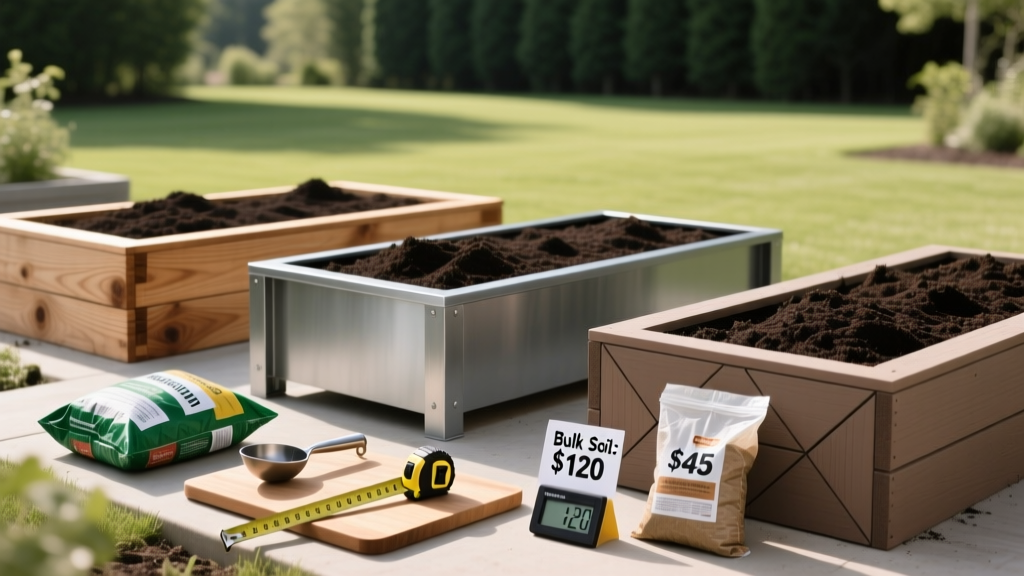
Raised Garden Bed Costs: Wood, Metal, and Soil Budget Guide
Lisa ThompsonPublished
The True Cost of Raised Garden Beds: A Comprehensive Budgeting Guide
Building a raised garden bed is one of the most rewarding investments a home gardener can make. It offers superior drainage, warmer soil in the spring, and an ergonomic way to grow vegetables and flowers. However, the costs can quickly spiral out of control if you do not plan your materials and soil sourcing strategically. According to The Old Farmer's Almanac, a standard 4-foot by 8-foot bed is the ideal dimension for most gardens, allowing you to reach the center without stepping on the soil. But what does that 32-square-foot footprint actually cost to build and fill? This guide breaks down the exact budgeting metrics for framing materials, soil volumes, and hidden hardware costs, helping you maximize your garden yield without emptying your wallet.
Phase 1: Framing Materials Cost Breakdown
The frame is the most visible part of your garden, and your choice of material will dictate both your upfront budget and the long-term lifespan of your beds. Prices fluctuate based on regional lumber markets, but the following estimates reflect national averages for a standard 4x8-foot bed that is 11 inches deep (using two stacked standard boards).
Untreated Pine or Spruce
Untreated softwood is the most budget-friendly option upfront. A 4x8 bed requires roughly four 2x12x8 boards. At approximately $15 to $20 per board, your total framing cost will sit between $60 and $80. The drawback? Softwoods rot. You can expect untreated pine to last only 3 to 5 years before the boards need replacing, making it a poor long-term investment unless you line the interior with heavy-duty landscaping plastic to slow moisture transfer.
Western Red Cedar
Cedar is the traditional gold standard for garden beds due to its natural rot and insect resistance. Building a 4x8 cedar bed will cost between $140 and $180, depending on local lumber yard pricing. While the initial cost is double that of pine, cedar beds routinely last 10 to 15 years, offering a much better return on investment over time.
Galvanized Steel Kits
Modular galvanized steel beds (such as those from Vego Garden or Birdies) have surged in popularity. A standard 4x8 modular kit typically costs between $90 and $130. They are incredibly durable, lasting 20+ years, and are completely immune to rot. Furthermore, they assemble in minutes with a simple wrench, saving you the cost of purchasing power tools, corner brackets, and exterior-grade screws.
Composite Lumber
Composite boards (made from recycled plastics and wood fibers) offer a zero-maintenance, splinter-free aesthetic. However, they are the most expensive option. A 4x8 composite bed will cost upwards of $250 to $350. While they will outlast the gardener, the high upfront cost makes them difficult to justify for a strict budget.
| Material | Estimated Cost | Lifespan | Maintenance Level |
|---|---|---|---|
| Untreated Pine | $60 - $80 | 3 - 5 Years | High (Replace often) |
| Galvanized Steel Kit | $90 - $130 | 20+ Years | None |
| Western Red Cedar | $140 - $180 | 10 - 15 Years | Low (Optional sealing) |
| Composite Lumber | $250 - $350 | 25+ Years | None |
Phase 2: The Soil Dilemma (Bagged vs. Bulk)
The most common budgeting mistake new gardeners make is underestimating the cost of soil. A 4x8-foot bed that is 11 inches deep holds exactly 32 cubic feet of soil. How you source this volume will make or break your garden budget.
The Bagged Soil Route
Premium bagged raised bed mixes (like Miracle-Gro Raised Bed Mix or Kellogg Garden Organics) are convenient and require no heavy machinery to deliver. However, they are sold in small volumes, usually 1.5 to 2.0 cubic feet per bag, priced at $10 to $14 each. To fill 32 cubic feet, you will need roughly 18 bags. At an average of $12 per bag, you are looking at $216 per bed, plus the physical toll of hauling, lifting, and slicing open 18 heavy plastic bags.
The Bulk Delivery Route
Ordering a custom 'garden mix' (usually a blend of topsoil, compost, and peat/coir) from a local landscape supply yard is vastly more economical for multiple beds. Soil is sold by the cubic yard (27 cubic feet). To fill one 32-cubic-foot bed, you need roughly 1.2 cubic yards. Most yards have a minimum delivery requirement of 3 to 5 cubic yards, or a flat delivery fee of $50 to $80. If you are building three beds, ordering 4 cubic yards of bulk soil (roughly $45/yard) plus a $60 delivery fee totals $240. That is $80 per bed—less than half the cost of bagged soil.
| Sourcing Method | Cost Per Bed | Labor Required | Best For |
|---|---|---|---|
| Premium Bagged Mix | $210 - $250 | High (Hauling & Opening) | Single beds, urban patios |
| Bulk Landscape Mix | $80 - $110* | Medium (Wheelbarrow) | Multiple beds, suburban yards |
| DIY Mel's Mix | $140 - $180 | High (Sourcing & Mixing) | Square-foot gardening purists |
*Bulk pricing assumes a minimum order of 3-5 cubic yards shared across multiple beds to offset delivery fees.
According to soil management experts featured in Fine Gardening, the ideal raised bed soil should be light, fluffy, and rich in organic matter, avoiding heavy native clay or pure topsoil which will compact and suffocate plant roots over a single season.
Phase 3: Hardware, Liners, and Irrigation
Beyond wood and dirt, several hidden costs frequently catch budgeters off guard. If you are building wooden frames, you must purchase exterior-grade structural screws (like GRK RSS structural screws or galvanized deck screws). A box of 50 screws will cost around $15. You will also need 4 corner brackets or 4x4 corner posts to prevent the bed from bowing outward under the immense weight of wet soil, adding another $25 to $40 to your budget.
Regarding weed barriers: avoid laying impermeable black plastic at the bottom of your beds. It traps water and invites root rot. Instead, use overlapping layers of plain, uncoated cardboard (which is free if sourced from local appliance or grocery stores) to smother existing grass. If you must use a liner to protect wooden frames from constant moisture contact, budget $20 for a roll of heavy-duty landscape fabric and use a staple gun to affix it to the interior walls.
For irrigation, a basic 4x8 drip irrigation kit with a timer, mainline tubing, and drip emitters will cost between $40 and $60. While this is an upfront expense, it drastically reduces water waste and saves hours of hand-watering, effectively paying for itself in municipal water savings over a single hot summer.
Proven Strategies to Slash Your Garden Budget
If the math above has you sweating, do not abandon your gardening dreams. Horticulturalists and budget-savvy growers utilize several proven techniques to drastically reduce the cost of filling and maintaining raised beds.
1. The Hugelkultur Method
Originating in Germany, the Hugelkultur technique involves filling the bottom third to half of your raised bed with decaying wood, branches, twigs, and leaves before adding your premium soil on top. As the wood breaks down, it acts like a sponge, retaining moisture and slowly releasing nutrients. According to Oregon State University Extension, utilizing yard waste and fallen branches to fill the base of deep raised beds can reduce your required soil volume by up to 40%, saving you nearly $100 per bed in soil costs while improving long-term soil biology.
2. Municipal Compost and Mulch
Many city and county waste management facilities offer free or deeply discounted compost and woodchips made from recycled local yard waste. A quick call to your local municipal solid waste department can often yield a truckload of high-quality compost for a fraction of the cost of bagged alternatives. Always screen municipal compost for debris, but it remains the ultimate budget hack for amending garden beds.
3. Grow from Seed, Not Starts
A single packet of organic heirloom tomato seeds costs $4 and contains 30+ seeds, yielding dozens of plants over multiple seasons. Buying a single nursery-grown tomato transplant costs $5 to $8. By investing $20 in a seed-starting setup (a simple LED shop light and reusable plastic cell trays), you can grow hundreds of dollars worth of vegetable transplants for pennies on the dollar.
Final Budgeting Thoughts
A successful garden budget requires balancing upfront capital with long-term durability. While untreated pine and bagged soil offer the lowest barrier to entry for a single, small bed, scaling up requires a shift in strategy. Opting for galvanized steel kits, sourcing bulk soil deliveries, and utilizing the Hugelkultur method will transform your garden from a money pit into a highly productive, budget-friendly food and flower oasis. Plan your dimensions, calculate your cubic feet, and order your materials in late winter to beat the spring gardening rush and secure the best local pricing.
