Gardening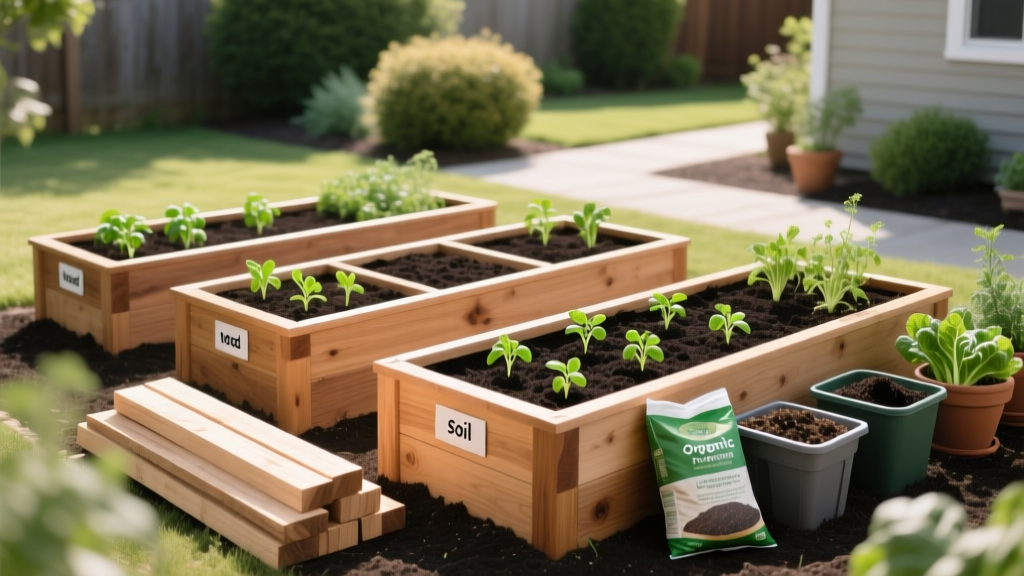
Raised Bed Garden Costs: Pricing Guide For Soil And Wood
Lisa ThompsonPublished
The True Cost of Starting a Raised Bed Vegetable Garden
Starting a vegetable garden is one of the most rewarding investments a homeowner can make, but the upfront costs can sometimes catch new gardeners off guard. Whether you are looking to grow organic tomatoes, crisp lettuce, or vibrant pollinator flowers, understanding the financial breakdown of your project is essential. This comprehensive pricing guide focuses on the most popular and productive gardening method: the 4-foot by 8-foot raised bed. By breaking down the costs of lumber, soil, compost, seeds, and irrigation, you can accurately budget for your first year of gardening and plan for long-term maintenance.
1. Lumber and Hardware: Pricing the Frame
The physical structure of your raised bed is your largest initial material expense. The standard size for a raised bed is 4 feet wide by 8 feet long, which allows you to reach the center from either side without stepping on and compacting the soil. For a bed that is 10 to 12 inches deep, you will need specific materials. Here is how the pricing breaks down based on the material you choose:
Untreated Pine or Spruce
- Cost: $30 to $50 per bed.
- Lifespan: 3 to 5 years.
- Details: This is the most budget-friendly option. However, because it is untreated, it will rot relatively quickly when exposed to constant moisture and soil microbes. You may need to replace the boards within a few seasons.
Western Red Cedar
- Cost: $90 to $140 per bed.
- Lifespan: 10 to 15 years.
- Details: Cedar is the gold standard for raised beds. It contains natural oils that make it highly resistant to rot, decay, and insect damage without the need for chemical treatments. It weathers to a beautiful silvery-gray over time.
Composite or Recycled Plastic Boards
- Cost: $200 to $300+ per bed.
- Lifespan: 25+ years (essentially a lifetime).
- Details: Made from a blend of wood fibers and recycled plastics, composite boards will never rot or splinter. The high upfront cost is offset by the fact that you will never need to rebuild your garden beds.
Hardware and Fasteners
Do not forget the cost of exterior-grade, galvanized, or stainless-steel screws and corner brackets to keep your bed square and secure. Budget an additional $15 to $30 for heavy-duty hardware. According to expert guidelines from the Old Farmer's Almanac, ensuring your bed is properly reinforced at the corners prevents the immense weight of wet soil from bowing the boards outward over time.
2. Soil and Compost: The Foundation of Your Garden
The most common mistake new gardeners make is underestimating the volume and cost of soil required. A 4x8 foot bed that is 10 inches deep requires approximately 27 cubic feet of material, which equals exactly one cubic yard. Never fill a raised bed with native ground soil or cheap 'topsoil' from the hardware store; it will compact into a brick-like substance, suffocating plant roots. Instead, you need a light, fluffy, well-draining mix.
| Soil Sourcing Method | Estimated Cost (Per Cubic Yard) | Pros and Cons |
|---|---|---|
| Bagged Raised Bed Mix | $120 - $180 | Pros: Convenient, pre-mixed, easy to transport. Cons: Most expensive option, generates plastic bag waste. |
| Bulk Delivery (Local Nursery) | $60 - $100 + Delivery Fee | Pros: Cost-effective for multiple beds, high-quality local ingredients. Cons: Requires a driveway space, delivery fees can be $50+. |
| DIY Mel's Mix (1/3 Compost, 1/3 Peat, 1/3 Vermiculite) | $80 - $110 | Pros: Ultimate drainage and moisture retention, highly nutritious. Cons: Labor-intensive to mix, sourcing pure vermiculite can be difficult. |
If you choose to amend your own soil, incorporating high-quality compost is non-negotiable. The Environmental Protection Agency (EPA) highlights that composting not only reduces household waste but creates a nutrient-dense humus that improves soil structure, retains moisture, and suppresses plant diseases. If you do not have your own compost bin, expect to pay $5 to $8 per cubic foot for premium bagged organic compost, or around $40 to $60 per cubic yard for bulk municipal compost.
3. Seeds, Transplants, and Fertilizers
Once your bed is built and filled, it is time to plant. Your budget here will depend heavily on whether you start from seed or buy nursery-grown transplants.
Seeds vs. Starts
- Seed Packets: A standard packet of organic, non-GMO seeds costs between $3.50 and $6.00. Root crops (carrots, radishes), beans, and peas must be direct-sown from seed. Budget about $40 for a diverse seed collection.
- Nursery Transplants: Tomatoes, peppers, and eggplants require a long growing season and are best purchased as 4-inch or 1-gallon nursery starts. These cost $4 to $8 each. Outfitting a bed with 10-15 transplants will cost roughly $60 to $100.
Fertilizers and Amendments
Even the best soil needs supplemental feeding as heavy-feeding crops like tomatoes and squash deplete nutrients. Budget $20 to $35 for a granular organic fertilizer like Espoma Garden-tone or Dr. Earth Organic Tomato & Vegetable Food. Additionally, a $15 bag of worm castings worked into the planting holes provides an incredible boost of biology and nutrients.
4. Irrigation and Essential Tools
Hand-watering a raised bed with a hose is time-consuming and often leads to uneven moisture levels, which can cause issues like blossom end rot in tomatoes or splitting in root vegetables. Installing a basic drip irrigation system is a highly recommended upfront cost.
- Drip Irrigation Kit: A basic 100-foot drip tape or soaker hose kit with a pressure regulator and timer will cost between $50 and $90. This saves hours of labor and reduces water waste by delivering moisture directly to the root zone.
- Essential Hand Tools: If you are starting from scratch, you will need a high-quality Hori Hori garden knife ($25), a pair of bypass pruning shears ($20), a sturdy garden trowel ($15), and a digging fork ($30). Total tool investment: roughly $90.
Pro-Tip: Invest in forged steel tools with ergonomic handles. Cheap tools will bend or break within a single season of turning heavy, compost-rich soil, ultimately costing you more in replacements.
5. Hidden Gardening Costs to Budget For
When calculating your total garden budget, remember to account for the peripheral expenses that often slip a gardener's mind:
- Pest Control: Deer, rabbits, and groundhogs can decimate a garden overnight. Budget $50 to $150 for galvanized hardware cloth to line the bottom of your bed (preventing gophers) and flexible PVC hoops with bird netting or insect mesh to protect tender greens.
- Mulch: Covering your soil with organic mulch (straw, shredded leaves, or pine bark) suppresses weeds and retains moisture. A bale of organic straw costs about $10 to $15.
- Soil Testing: Before your second season, it is wise to send a soil sample to your local university extension office. A comprehensive soil test usually costs between $15 and $25 and tells you exactly which micronutrients your soil is lacking.
Total Estimated First-Year Budget
To summarize, here is the realistic pricing breakdown for a single, high-quality 4x8 cedar raised bed in its first year:
- Cedar Lumber & Hardware: $125
- Premium Soil & Compost (1 Cubic Yard):strong> $110
- Seeds & Transplants: $80
- Organic Fertilizer & Worm Castings: $40
- Drip Irrigation & Timer: $75
- Basic Tools & Mulch: $105
- Total First-Year Investment: $535
Long-Term ROI: Does Gardening Save Money?
While $500+ may seem steep for a single garden bed, the return on investment (ROI) in subsequent years is substantial. In year two and beyond, you will not need to purchase lumber, tools, or irrigation again. Your primary costs will be limited to seeds, transplants, compost top-ups, and fertilizer—bringing your annual maintenance cost down to roughly $100 to $150.
A well-maintained 4x8 raised bed can yield over 150 pounds of fresh, organic produce in a single growing season. When you compare the cost of homegrown heirloom tomatoes, organic bell peppers, and fresh herbs to premium grocery store prices, most gardeners find that their beds pay for themselves within two to three seasons. Beyond the financial savings, the physical health benefits, stress reduction, and superior flavor of food grown in your own backyard make the initial investment entirely worthwhile.
