Gardening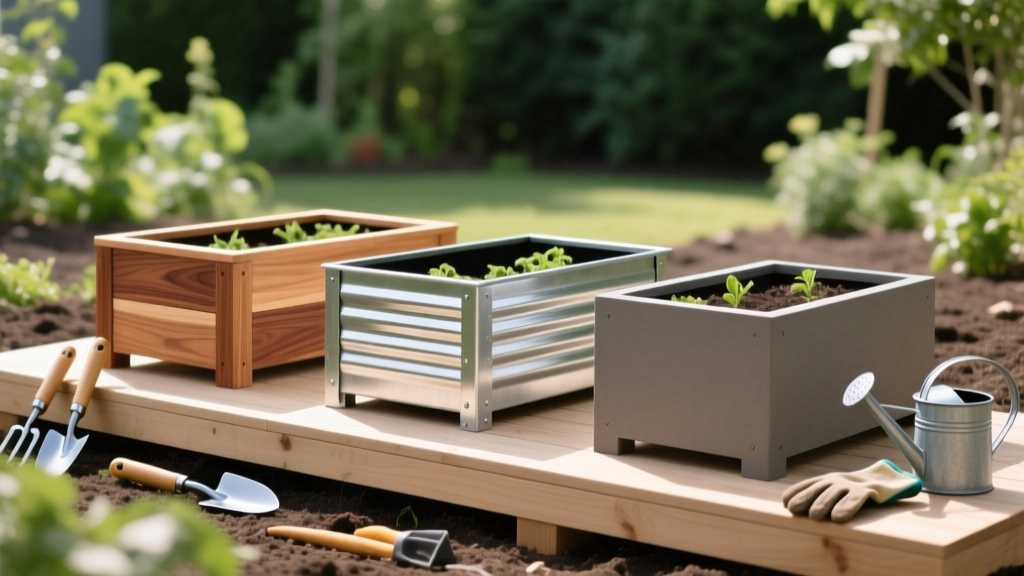
Best Raised Bed Garden Kits: Wood vs Metal vs Composite
Sarah ChenPublished
The Rise of the Raised Bed Garden
Raised bed gardening has completely transformed how home growers approach vegetable and flower cultivation. By elevating the soil above the native ground level, gardeners gain unprecedented control over soil quality, drainage, and weed management. According to the Oregon State University Extension, raised beds warm up much faster in the spring than in-ground gardens, allowing for an extended growing season and earlier harvests. However, the success of your raised bed garden hinges entirely on the structural material you choose. With dozens of options flooding the market, selecting the right kit can be overwhelming.
In this comprehensive product review and comparison, we are putting the three most popular raised bed materials to the test: natural cedar wood, galvanized metal, and recycled composite. We have evaluated top-selling kits from Gardener's Supply Company, Vego Garden, and Frame It All to help you determine which material offers the best return on investment, longevity, and growing performance for your specific climate and gardening goals.
Why Material Matters in Raised Beds
Before diving into specific product reviews, it is crucial to understand why the material of your raised bed impacts your garden's ecosystem. The material dictates the thermal mass of the soil, the potential for chemical leaching, and the structural lifespan of the bed. Penn State Extension strongly advises gardeners to avoid using chemically treated woods, such as older CCA (chromated copper arsenate) pressure-treated lumber, due to the risk of heavy metals leaching into the soil and being absorbed by root vegetables. Therefore, modern gardeners are left with three primary safe alternatives: untreated rot-resistant wood, coated metal, and inert composite plastics.
Top 3 Raised Bed Kits Compared
1. Gardener's Supply Company Cedar Raised Bed (Best Wood Option)
For the traditionalist who values a natural, biodegradable aesthetic, the Gardener's Supply Company Cedar Raised Bed remains the gold standard. Constructed from untreated, sustainably harvested cedar, this kit relies on the wood's natural oils to resist rot, decay, and insect damage without the need for harsh chemical sealants.
Specifications & Cost: The standard 4 ft. x 8 ft. x 11 in. kit retails for approximately $160. Assembly requires a power drill and takes about 45 minutes. The corners are secured with rust-proof aluminum brackets, which provide excellent structural integrity when the bed is filled with heavy, wet soil.
Pros: Cedar is naturally beautiful and blends seamlessly into any backyard landscape. It provides excellent insulation, keeping the soil cool during the peak of summer and protecting delicate root systems from temperature fluctuations. Furthermore, at the end of its lifespan, the wood is 100% biodegradable.
Cons: Even premium cedar will eventually succumb to the elements. Depending on your local climate and how often you water, you can expect a lifespan of 7 to 12 years before the bottom boards begin to rot. It also requires annual maintenance, such as applying a raw linseed oil treatment, to maintain its color and structural integrity.
2. Vego Garden Modular Metal Raised Bed (Best Metal Option)
Metal raised beds have surged in popularity, and the Vego Garden Modular 17-Inch Tall Raised Bed is leading the charge. Made from a ZnAl (zinc-aluminum) coated steel with a corrugated design, this bed is engineered for maximum durability and modern aesthetic appeal. The 17-inch height is particularly beneficial for gardeners with back pain, as it reduces the need to bend over during planting and weeding.
Specifications & Cost: A standard 3.5 ft. x 10 ft. modular kit costs around $220. The modular nature means you can configure the panels into various shapes (oval, square, or rectangle) using the included hardware. Assembly takes roughly 30 minutes with a wrench and socket set.
Pros: The standout feature of the Vego Garden bed is its lifespan. The galvalume coating prevents rust and corrosion, offering a functional lifespan of 20 to 30 years. Metal beds also excel in early spring; the high thermal conductivity of the steel absorbs sunlight and warms the soil rapidly, giving heat-loving crops like tomatoes and peppers a significant head start.
Cons: That same thermal conductivity can be a drawback in extreme southern climates. In regions where summer temperatures consistently exceed 95°F, the edges of the metal bed can overheat, potentially stressing the outermost plants. Additionally, gardeners must be careful not to use highly acidic soil amendments (like excessive peat moss or sulfur) directly against the metal, as extreme acidity can eventually degrade the protective coating over decades.
3. Frame It All Composite Raised Bed Kit (Best Composite Option)
Composite beds offer the visual warmth of wood with the indestructible nature of plastic. The Frame It All 4 ft. x 8 ft. x 12 in. Composite Raised Bed Kit is manufactured from a blend of recycled high-density polyethylene (HDPE) and wood fibers. This material is completely inert, ensuring zero chemical leaching into your organic vegetable garden.
Specifications & Cost: Retailing for approximately $250, it is the most expensive option on our list. The boards slide into interlocking corner joints using a spline system, meaning no screws or drills are required for the primary assembly. You can easily stack additional kits on top to increase the depth for root vegetables like carrots and parsnips.
Pros: Composite wood will never rot, warp, or splinter. It is entirely maintenance-free and UV-resistant, meaning it won't fade or become brittle under the sun. The stacking capability makes it incredibly versatile for gardeners who want to start shallow and deepen their beds over time.
Cons: The primary drawback is the upfront cost. Additionally, composite boards can be prone to bowing outward if the bed is longer than 8 feet and lacks internal cross-bracing or stakes driven into the native soil. Wet soil is incredibly heavy, and the plastic joints can flex under the pressure if not properly secured.
Feature Comparison Chart
| Feature | Gardener's Supply Cedar | Vego Garden Metal | Frame It All Composite |
|---|---|---|---|
| Material | Untreated Cedar Wood | Galvalume Coated Steel | Recycled HDPE & Wood Fiber |
| Est. Lifespan | 7 - 12 Years | 20 - 30+ Years | 15 - 20+ Years |
| Est. Cost (4x8) | $160 | $180 (Equivalent Size) | $250 |
| Assembly Tools | Power Drill, Screws | Wrench, Socket Set | Rubber Mallet (No tools) |
| Thermal Properties | Insulating (Neutral) | Conductive (Warms Fast) | Insulating (Neutral) |
| Eco-Friendly | Biodegradable, Harvested | Highly Recyclable | Made from Recycled Plastics |
Installation and Soil Preparation Tips
Regardless of the kit you choose, proper installation and soil preparation are non-negotiable for a thriving garden. The Old Farmer's Almanac recommends clearing the native ground beneath the bed of all grass and weeds before assembly. For metal and composite beds, laying down a layer of heavy-duty landscaping fabric or overlapping cardboard will smother existing weeds while still allowing for essential water drainage.
Expert Tip: When calculating the amount of soil needed, use the formula: Length (ft) x Width (ft) x Depth (ft) = Cubic Feet. For a standard 4x8 bed that is 1 foot deep, you will need exactly 32 cubic feet of soil. Always buy 10% more than your calculation to account for initial settling after the first heavy watering.
Do not fill your raised bed with native topsoil or heavy garden dirt, which will compact and suffocate plant roots in a confined space. Instead, opt for a specialized raised bed mix or create your own blend. A highly recommended recipe is the classic 'Mel's Mix' from the Square Foot Gardening method: one-third blended organic compost, one-third coarse vermiculite, and one-third peat moss or coconut coir. This blend provides the perfect trifecta of nutrients, moisture retention, and aeration.
Essential Tools for Assembly
- Power drill with a Phillips-head bit (for wood kits)
- Rubber mallet (for composite spline joints)
- Carpenter's level (crucial for ensuring even water distribution)
- Measuring tape and landscaping stakes
- Heavy-duty cut-resistant gloves (mandatory for metal bed assembly)
Final Verdict: Which Kit Should You Buy?
The 'best' raised bed kit ultimately depends on your budget, your climate, and how long you plan to stay in your current home. If you are a purist who values natural materials and doesn't mind replacing the bed in a decade, the Gardener's Supply Company Cedar Raised Bed offers a beautiful, traditional gardening experience. If you live in a cooler northern climate and want a permanent, modern fixture that warms the soil quickly and eliminates future rebuilding projects, the Vego Garden Metal Raised Bed is an outstanding investment that pays for itself over time. Finally, if you want a maintenance-free, eco-friendly option that offers the flexibility to stack and expand without using power tools, the Frame It All Composite Kit is the ultimate choice for the modern, busy gardener.
