Gardening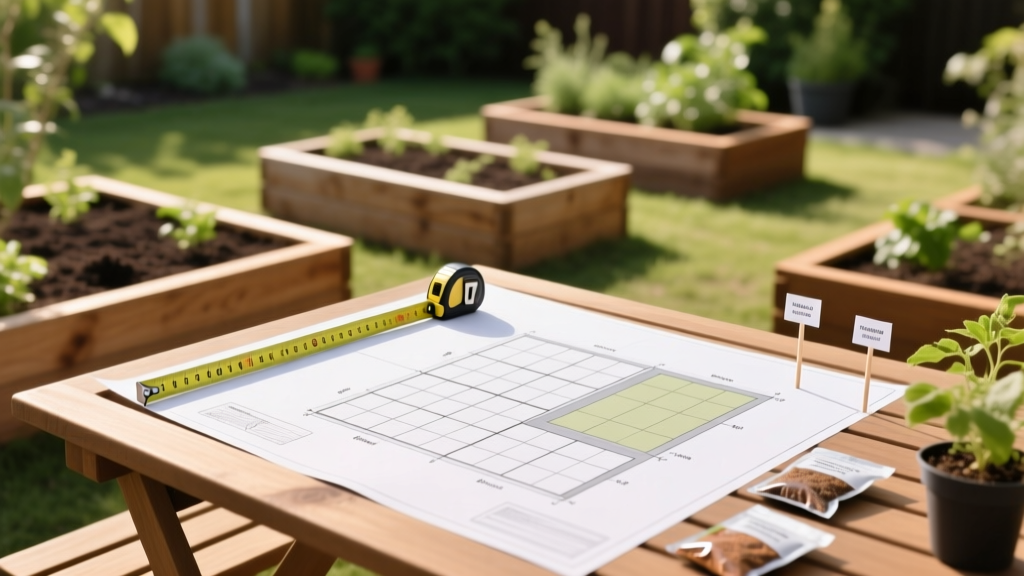
Raised Bed Garden Layouts: Square Foot Planning Guide
James MillerPublished
Designing Your Raised Bed Garden: A Comprehensive Planning Guide
Designing a raised bed garden is one of the most rewarding landscaping projects a homeowner can undertake. Whether you are transforming a small urban backyard or dedicating a large suburban lot to vegetable production, the planning phase dictates your long-term success. Proper garden layout affects everything from sunlight exposure and drainage to accessibility and pest management. According to the University of Maryland Extension, raised beds warm up faster in the spring, offer superior drainage, and allow gardeners to bypass poor native soil conditions entirely. However, without a strategic design, even the best materials can lead to overcrowded plants, shaded crops, and back-breaking maintenance.
This guide explores the essential design ideas, spatial planning techniques, and material considerations required to build a highly productive raised bed garden. By integrating the square foot gardening method and strategic companion planting layouts, you can maximize your yield per square foot while creating a visually stunning outdoor space.
Choosing the Right Dimensions and Materials
Before purchasing lumber or metal panels, you must establish the physical footprint of your garden. The golden rule of raised bed design is accessibility. You should never have to step into the bed to reach the center, which compacts the soil and damages delicate root systems.
Optimal Width and Length
The ideal width for a raised bed is 4 feet. This allows an average adult to comfortably reach the center (2 feet) from either side. If the bed is placed against a fence or wall, reduce the width to 2 feet. Length can vary, but 8 feet is the standard recommendation to prevent the side walls from bowing outward under the immense pressure of wet soil. If you require a longer bed, use cross-bracing or aluminum mid-span supports to maintain structural integrity.
Depth Considerations
Most vegetable crops require a minimum of 6 to 8 inches of loose soil, but deeper beds offer significant advantages. An 11-inch or 12-inch depth accommodates deep-rooted crops like carrots, parsnips, and tomatoes while reducing the frequency of watering. For ADA-compliant gardens or gardeners with mobility issues, consider building beds that are 24 to 30 inches tall, allowing for seated gardening.
Material Costs and Longevity
- Untreated Cedar or Redwood: Naturally rot-resistant and aesthetically pleasing. Expect to spend between $150 and $250 per 4x8 bed. Lifespan: 10 to 15 years.
- Galvanized Corrugated Steel: Highly durable, pest-resistant, and modern in appearance. Costs range from $80 to $150 per bed. Lifespan: 20+ years.
- Composite Timber: Made from recycled plastics and wood fibers. It will never rot, but the upfront cost is high, often exceeding $300 per 4x8 bed. Lifespan: 25+ years.
Strategic Garden Layouts for Accessibility
How you arrange your beds within your yard is just as important as the beds themselves. Pathways must be wide enough to accommodate a standard garden wheelbarrow (typically 22 to 25 inches wide) and allow for comfortable kneeling or bending.
- Parallel Grid Layout: The most common design, featuring rows of 4x8 beds separated by 3-foot pathways. This layout is ideal for large, rectangular spaces and maximizes total growing area.
- U-Shaped Layout: Perfect for corner spaces or fenced areas. A U-shaped bed (often 2 feet wide) allows the gardener to stand in the center and reach all plants without stepping on the soil.
- Keyhole Garden: A circular or horseshoe-shaped bed with a narrow pathway leading to the center. This design maximizes edge space and is highly efficient for small urban lots.
The Square Foot Gardening Method: A Planning Blueprint
Pioneered by Mel Bartholomew, the Square Foot Gardening (SFG) method revolutionized small-space planning. Instead of planting in traditional rows, the Square Foot Gardening Foundation advocates dividing a 4x4 raised bed into 16 individual one-foot squares using a physical grid made of lath, bamboo, or string. Each square is planted with a specific number of crops based on their mature canopy size.
This method eliminates the need for thinning, drastically reduces weed growth, and ensures that every inch of soil is utilized efficiently. Below is a planning chart to help you map out your 4x4 grid.
| Plant Type | Plants Per Square Foot | Grid Spacing Strategy |
|---|---|---|
| Tomatoes (Indeterminate) | 1 | Plant in center, trellis vertically |
| Peppers / Eggplant | 1 | Plant in center of the square |
| Bush Beans / Peas | 8 | Two rows of four, or staggered |
| Leaf Lettuce / Spinach | 4 | One plant in each corner |
| Radishes / Carrots | 16 | 4x4 grid, evenly spaced |
| Herbs (Basil, Cilantro) | 4 | One plant in each corner |
Sunlight Orientation and Microclimates
Vegetables require a minimum of 6 to 8 hours of direct sunlight daily, with fruiting crops like tomatoes and peppers preferring 10 or more. When planning your layout, observe your yard throughout the day to map sun and shade patterns across different seasons.
North-South vs. East-West Orientation
For low-growing crops (lettuce, radishes, bush beans), orienting your beds North-to-South is generally preferred. This allows the sun to travel evenly across the width of the bed from East to West, minimizing shadows cast by the plants themselves. However, if you are growing tall, trellised crops like pole beans, cucumbers, or indeterminate tomatoes, an East-West orientation can be beneficial if you place the trellis on the Northernmost edge of the bed. This ensures the tall plants do not cast a shadow over the shorter crops situated to their South.
Soil Preparation: The Ultimate Raised Bed Mix
Filling a raised bed with native topsoil is a common beginner mistake. Topsoil compacts easily in a confined space, leading to poor drainage and stunted roots. The Oregon State University Extension recommends a lightweight, nutrient-dense, and moisture-retentive blend specifically formulated for containers and raised beds.
The gold standard for raised bed planning is the classic SFG soil mix, which consists of equal parts by volume:
- Coarse Vermiculite: Provides aeration and retains moisture.
- Peat Moss or Coco Coir: Creates a light, fluffy texture that prevents compaction. (Coco coir is increasingly preferred for its renewable sourcing).
- Blended Compost: Supplies the essential macro and micronutrients. Use compost from at least three different sources (e.g., mushroom, cow manure, homemade leaf mold) to ensure a broad spectrum of nutrients.
Pro Planning Tip: To calculate the exact amount of soil needed for a 4x8 bed that is 11 inches deep, use the formula: Length x Width x Depth (in feet). 4 x 8 x 0.91 = 29.12 cubic feet. Always purchase 10% extra to account for initial settling after the first heavy watering.
Companion Planting Layouts for Pest Control
Designing your garden layout also involves planning plant communities. Companion planting leverages natural plant synergies to deter pests, attract pollinators, and maximize space. When mapping your squares, integrate these strategic pairings:
- Tomatoes and Basil: Plant basil in the corners of a tomato square. Basil is believed to repel hornworms and thrips while improving the flavor of the tomatoes.
- Brassicas and Nasturtiums: Plant nasturtiums at the ends of your beds. They act as a trap crop, drawing aphids and cabbage worms away from your valuable broccoli and kale.
- Carrots and Alliums: Interplanting carrots with onions or garlic confuses the carrot rust fly, whose sense of smell is masked by the strong scent of alliums.
- The Three Sisters: A classic indigenous layout combining corn, pole beans, and squash. The corn provides a trellis for the beans, the beans fix nitrogen in the soil, and the broad squash leaves act as a living mulch to suppress weeds and retain soil moisture.
Planning for Succession and Season Extension
A well-designed garden plan accounts for the entire growing season, not just the initial spring planting. Succession planting ensures that as one crop finishes, another is ready to take its place. For example, plan your cool-season squares for early spring radishes and spinach. Once harvested in late May, amend that specific square with a handful of fresh compost and replant with heat-loving bush beans or summer squash.
Furthermore, incorporate infrastructure into your layout for season extension. Designing your beds with built-in hoop brackets allows you to easily attach row covers or greenhouse plastic in the autumn, extending your harvest of cold-hardy greens well into the winter months.
Conclusion
Successful raised bed gardening is a marriage of horticulture and spatial design. By carefully selecting your materials, adhering to the 4-foot accessibility rule, implementing the square foot planning grid, and curating a premium soil blend, you set the stage for years of abundant harvests. Take the time to sketch your layout on graph paper, track the sun across your property, and plan your plant communities. A meticulously designed garden not only produces a higher yield but also transforms your outdoor space into a beautiful, functional sanctuary.
