Gardening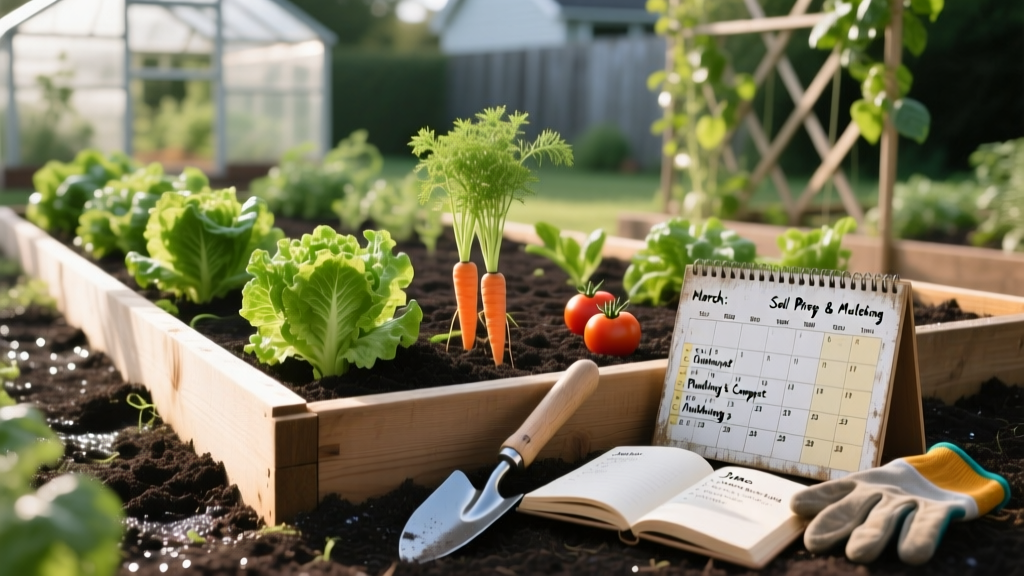
The Ultimate Raised Bed Garden Maintenance Schedule
Mike RodriguezPublished
The Importance of a Raised Bed Maintenance Schedule
Raised bed gardening has revolutionized home food production, offering superior drainage, faster soil warming in the spring, and reduced weed pressure. However, because raised beds are essentially closed ecosystems, they experience rapid nutrient depletion and soil compaction if not managed correctly. To achieve maximum yields, you cannot rely on guesswork; you need a structured, seasonal checklist.
According to the University of Minnesota Extension, raised beds can yield up to four times more produce per square foot than traditional row gardening, but this intensive output requires a strict, scheduled regimen of soil replenishment and crop rotation.
This comprehensive guide provides a month-by-month raised bed garden maintenance schedule, complete with actionable advice, specific product recommendations, measurements, and estimated costs to keep your soil fertile and your harvests abundant year after year.
Early Spring: Soil Preparation and Bed Awakening (March - April)
Spring is the most critical season for raised bed maintenance. Your primary goal is to restore the soil biology and structure that was depleted during the previous growing season.
1. Soil Testing and Aeration
Before adding any amendments, conduct a soil test. You can purchase a mail-in soil test kit from your local university cooperative extension for approximately $15 to $25. For most vegetables, you are aiming for a pH between 6.2 and 6.8. To aerate the bed without destroying the delicate soil food web, use a broadfork or a standard garden fork. Insert the tines 8 to 10 inches deep and gently rock the handle back and forth to fracture compacted soil layers. Do not turn the soil completely, as this disrupts mycorrhizal fungal networks.
2. Compost and Fertilizer Application
Top-dress your beds with 2 to 3 inches of high-quality compost. A premium bagged option like Coast of Maine Quoddy Blend or locally sourced bulk compost works best. Expect to spend about $6 to $8 per cubic foot bag; a standard 4x8 foot bed requires roughly 4 to 5 cubic feet to achieve a 2-inch layer. After spreading the compost, apply a slow-release organic fertilizer. Espoma Garden-tone (4-6-6) is an industry favorite for vegetables. Apply it at a rate of 3.5 lbs per 50 square feet, gently scratching it into the top inch of the compost layer.
Late Spring and Summer: Planting and Peak Maintenance (May - August)
Once the danger of frost has passed and soil temperatures consistently reach 60°F, the focus shifts to planting, irrigation, and pest management.
1. Irrigation and Mulching
Consistent moisture is vital for raised beds, which dry out faster than in-ground gardens. Install a drip irrigation system to deliver water directly to the root zone and keep foliage dry, preventing fungal diseases like powdery mildew and early blight. A Rain Bird 1/4-inch drip tubing kit costs around $45 and is more than enough to snake through a 4x8 bed. Set your timer to provide 1 to 1.5 inches of water per week, adjusting for rainfall.
Immediately after planting, apply a 2-inch layer of seed-free straw or shredded leaf mulch around the base of your transplants. This suppresses weeds, regulates soil temperature, and retains moisture. A bale of straw typically costs $8 to $12 and will cover three to four raised beds.
2. Mid-Season Feeding and Pruning
Heavy feeders like tomatoes, peppers, and squash will exhaust the spring fertilizer by mid-summer. Begin a liquid feeding schedule in July using Neptune's Harvest Fish & Seaweed Blend (2-3-1). Dilute 1 tablespoon per gallon of water and apply it as a soil drench every three weeks. For indeterminate tomatoes, stick to a strict weekly pruning schedule: remove all 'suckers' (the shoots growing in the leaf axils) below the first fruit cluster to direct the plant's energy into fruit production rather than excessive vegetative growth.
Fall: Harvest, Cleanup, and Cover Cropping (September - November)
As temperatures drop, the goal transitions from production to protection. Leaving soil bare over the winter invites erosion and nutrient leaching.
1. Sanitation and Disease Prevention
Remove all spent crops, particularly solanaceous plants (tomatoes, peppers, eggplants) and cucurbits (squash, cucumbers). Do not compost these if they showed any signs of blight or mildew; bag them and send them to the municipal waste facility to break the disease cycle. Pull out old drip lines, flush them with a vinegar solution to remove calcium deposits, and store them indoors to prevent UV degradation.
2. Planting Winter Cover Crops
Cover crops are the secret weapon of master gardeners. The Penn State Extension highly recommends planting cover crops to scavenge leftover nitrogen, prevent erosion, and add organic matter. For raised beds, a mix of Winter Rye and Crimson Clover is ideal. The rye provides massive root biomass to break up soil, while the clover fixes atmospheric nitrogen. Sow the seeds densely at a rate of 2 to 3 lbs per 1,000 square feet (a $15 bag of seed will last a home gardener several seasons). Broadcast the seed in late September or early October, rake it in lightly, and water until germination occurs.
Winter: Planning and Infrastructure Repair (December - February)
Winter is for rest, planning, and repairing the physical structure of your garden.
1. Infrastructure Maintenance
Inspect the structural integrity of your raised beds. The freeze-thaw cycle can push corner brackets apart and bow wooden sidewalls. Tighten all galvanized screws and corner braces. If your beds are made of untreated cedar or redwood, apply a generous coat of raw linseed oil to the exterior wood to waterproof it and extend its lifespan by several years. Avoid synthetic wood preservatives, as they can leach harmful chemicals into your food-growing soil.
2. Crop Rotation Planning
Map out next year's garden on paper. Never plant the same botanical family in the same bed two years in a row. Follow a simple 4-year rotation schedule:
- Year 1: Legumes (Peas, Beans) - Fix nitrogen in the soil.
- Year 2: Brassicas (Cabbage, Broccoli, Kale) - Utilize the nitrogen left by legumes.
- Year 3: Solanaceae (Tomatoes, Peppers) - Heavy feeders that require fresh compost.
- Year 4: Alliums/Root Crops (Carrots, Onions) - Light feeders that scavenge remaining nutrients.
The Ultimate Raised Bed Monthly Checklist
Keep this schedule handy in your garden shed to ensure no critical maintenance task falls through the cracks.
| Month | Focus Area | Key Action Item | Estimated Cost |
|---|---|---|---|
| March | Soil Prep | Aerate with broadfork; send soil test to extension. | $20 |
| April | Amending | Add 2-3 inches compost; apply Espoma Garden-tone. | $40 |
| May | Planting | Install drip irrigation; transplant frost-tender crops. | $45 |
| June | Mulching | Apply 2 inches of seed-free straw; set up trellises. | $12 |
| July | Feeding | Begin liquid kelp/fish emulsion drench every 3 weeks. | $18 |
| August | Pest Control | Scout for hornworms/aphids; apply BT or Neem oil. | $15 |
| September | Cover Crops | Clear spent summer crops; sow winter rye/clover. | $15 |
| October | Cleanup | Flush and store drip lines; remove diseased foliage. | $0 |
| November | Protection | Add extra straw mulch over alliums and perennials. | $10 |
| December | Infrastructure | Tighten corner brackets; treat wood with linseed oil. | $25 |
| January | Planning | Draft crop rotation map; order seeds for spring. | $30 |
| February | Seed Starting | Start onions, celery, and early brassicas indoors. | $25 |
Budgeting for Your Annual Raised Bed Schedule
Maintaining a highly productive 4x8 foot raised bed requires an annual investment. Based on the schedule above, expect to spend between $150 and $220 per bed, per year on soil amendments, seeds, fertilizers, and replacement hardware. While this may seem higher than traditional in-ground gardening, the yield per square foot in a well-maintained raised bed easily offsets these costs. According to the Old Farmer's Almanac, the superior soil quality and extended growing season provided by raised beds often result in a return on investment of $5 to $10 in produce for every $1 spent on maintenance and inputs.
By adhering to this seasonal checklist, you transform your raised beds from simple wooden boxes into thriving, self-sustaining ecosystems that will provide bountiful harvests for decades.
