Gardening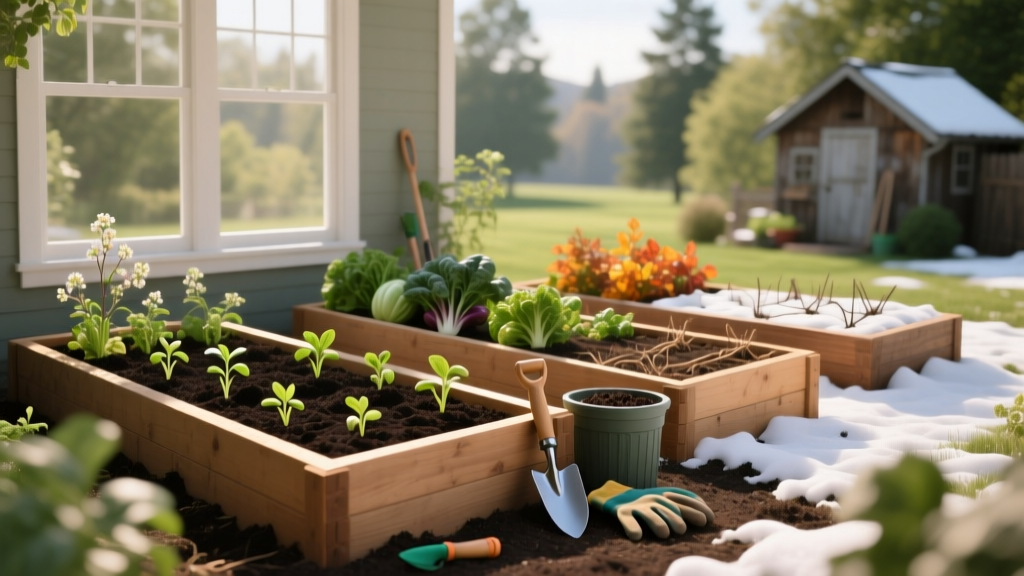
Raised Bed Vegetable Garden Seasonal Maintenance Schedule
Sarah ChenPublished
Why Raised Beds Require a Unique Maintenance Schedule
Raised bed gardening is one of the most efficient and rewarding ways to grow vegetables, flowers, and herbs. Because the soil in raised beds is elevated, it warms up faster in the spring, drains more effectively during heavy rains, and allows for intensive planting. According to The Old Farmer's Almanac, raised beds can yield up to four times more produce per square foot than traditional row gardens. However, these same advantages mean that raised beds also dry out faster and deplete nutrients more rapidly due to the high density of plant roots.
To maintain peak soil health and maximize your harvest, you cannot rely on a generic landscaping calendar. You need a dedicated, seasonal maintenance schedule tailored to the unique microclimate of your elevated garden boxes. Below is your comprehensive, season-by-season checklist and schedule for raised bed maintenance, complete with product recommendations, measurements, and actionable timelines.
Pro Tip: Never step inside your raised beds. The primary benefit of this method is the prevention of soil compaction. Always design beds no wider than 4 feet so you can reach the center from either side without stepping on the soil.
Spring: Soil Preparation and Early Planting
Spring is the most labor-intensive season for raised bed gardeners. Because intensive planting extracts a massive amount of nutrients from the soil, replenishing organic matter before the growing season is non-negotiable.
Spring Checklist (March to May)
- Clear Debris (Early March): Remove any leftover winter mulch, dead plant matter, or debris from the previous season to allow the soil to warm up. Dispose of any material that shows signs of fungal disease or pest infestation in the municipal green waste bin, not your home compost.
- Test Soil pH and Nutrients (Mid-March): Use an at-home testing kit like the Luster Leaf Rapitest. Aim for a pH between 6.2 and 6.8 for most vegetables. If your soil is too acidic, incorporate garden lime at a rate of 5 pounds per 100 square feet.
- Amend the Soil (April): Top-dress your beds with 2 to 3 inches of high-quality organic compost. The Environmental Protection Agency (EPA) notes that compost enriches soil, helps retain moisture, and reduces the need for chemical fertilizers. Gently fold the top 6 inches of soil using a broadfork or hand cultivator, being careful not to invert the soil layers entirely.
- Apply Base Fertilizer (Late April): Mix in a slow-release, balanced organic granular fertilizer. Espoma Organic Garden-tone (4-6-6 NPK) is an excellent choice, applied at roughly 1.5 cups per 10 square feet.
- Plant Cool-Season Crops (April to Early May): Direct sow peas, spinach, radishes, and carrots. Transplant hardy starts like broccoli, cabbage, and kale.
- Install Trellises (May): Set up vertical supports for indeterminate tomatoes, pole beans, and cucumbers before the plants grow too large to handle.
Summer: Moisture Management and Succession Planting
Once the summer heat sets in, raised beds can dry out in a matter of hours. Your schedule must shift from soil preparation to rigorous moisture management, pest monitoring, and succession planting to ensure a continuous harvest.
Summer Checklist (June to August)
- Install Drip Irrigation (Early June): Overhead watering promotes fungal diseases like powdery mildew and early blight. Install a drip irrigation kit (such as a Rain Bird 1/4 inch drip system, costing around $50 to $80) to deliver water directly to the root zone. Set timers to water deeply early in the morning.
- Mulch Heavily (Mid-June): Apply a 2-inch layer of seed-free straw, shredded leaves, or grass clippings (untreated with herbicides) around the base of your plants. This reduces water evaporation by up to 70% and suppresses weed growth.
- Monitor Watering Needs (July to August): Vegetables generally require 1 to 1.5 inches of water per week. During heatwaves, you may need to run your drip system for 45 to 60 minutes every other day. Check soil moisture by inserting your finger 3 inches deep; if it feels dry, it is time to water.
- Side-Dress Heavy Feeders (July): Tomatoes, peppers, and squash are heavy feeders. When they begin to flower and set fruit, side-dress them with a handful of compost or apply a liquid kelp fertilizer (like Neptune's Harvest) every two weeks to prevent blossom end rot and nutrient deficiencies.
- Practice Succession Planting (August): As early crops like garlic and spring radishes are harvested, do not leave the soil bare. Immediately sow a second round of fast-growing crops like bush beans, zucchini, or late-summer carrots.
Fall: Harvesting, Cleanup, and Cover Cropping
Fall is the season of transition. While you are still harvesting late-summer crops, you must also prepare the beds for winter dormancy. Leaving soil bare over the winter invites erosion, weed seed germination, and nutrient leaching.
Fall Checklist (September to November)
- Final Harvest and Cleanup (September to October): Harvest all remaining frost-tender crops like tomatoes and peppers before the first hard freeze. Pull up spent plant roots. If the plants were healthy, chop them up and add them to your compost bin.
- Plant a Cover Crop (October): To protect and build soil over the winter, sow a cover crop. Winter rye is excellent for suppressing weeds and adding biomass, while crimson clover fixes atmospheric nitrogen into the soil. Broadcast seeds evenly over the damp soil and lightly rake them in. The United States Department of Agriculture (USDA) highly recommends cover crops to improve soil structure and prevent winter erosion.
- Apply Fall Compost (November): If you prefer not to use cover crops, apply a thick 3-inch layer of raw compost or shredded autumn leaves over the beds. Let the earthworms and winter rains work the nutrients down into the soil profile for you.
- Winterize Irrigation (November): Disconnect all hoses, drip lines, and timers. Blow out any remaining water from the drip lines using an air compressor to prevent the plastic tubing from cracking during freezing temperatures.
Winter: Protection, Tool Care, and Planning
While the garden is dormant, the gardener should not be. Winter is the time to repair infrastructure, maintain tools, and strategize for the upcoming year's crop rotation.
Winter Checklist (December to February)
- Inspect and Treat Wooden Frames (December): If your raised beds are made of untreated cedar or redwood, inspect the wood for rot or splintering. Apply a generous coat of raw, boiled linseed oil to the exterior wood to extend its lifespan. Never use creosote, old motor oil, or pressure-treated wood containing copper azole near edible gardens.
- Sanitize and Sharpen Tools (January): Clean hand trowels, pruners, and broadforks with warm soapy water. Remove rust with a wire brush or steel wool. Sharpen the blades of hoes and shovels with a metal file, and wipe all metal surfaces with a rag soaked in mineral oil to prevent rust.
- Plan Crop Rotation (February): Map out your beds for the upcoming spring. Avoid planting crops from the same botanical family in the exact same spot two years in a row (e.g., do not plant tomatoes where peppers or eggplants grew last year) to break the life cycles of soil-borne pathogens and pests.
- Order Seeds and Starts (February): Review your seed inventory and order heirloom or hybrid varieties from reputable seed companies. Start indoor seeds for onions, celery, and early brassicas under LED grow lights 8 to 10 weeks before your last expected spring frost date.
Monthly Raised Bed Maintenance Matrix
Use the quick-reference table below to keep track of your primary monthly tasks, soil amendments, and watering requirements throughout the year.
| Month | Primary Focus | Soil Amendment / Task | Watering Need |
|---|---|---|---|
| March | Bed Cleanup & Testing | Clear debris, test soil pH | Low (Natural Rainfall) |
| April | Soil Building | Add 2-3 inches compost, base fertilizer | Low to Moderate |
| May | Planting & Trellising | Transplant warm-season crops | Moderate (1 inch/week) |
| June | Mulching & Irrigation | Apply 2 inches straw mulch | High (1.5 inches/week) |
| July | Pest Control & Feeding | Side-dress heavy feeders | Very High (Monitor daily) |
| August | Succession Planting | Sow late-summer crops | High (Deep watering) |
| September | Harvest & Pruning | Remove diseased foliage | Moderate |
| October | Cover Cropping | Sow winter rye or clover | Low (Keep seed moist) |
| November | Winterizing | Top-dress with leaves, drain hoses | Low (Natural Rainfall) |
| December | Infrastructure Repair | Treat wood frames, clean beds | Dormant |
| January | Tool Maintenance | Sharpen and oil hand tools | Dormant |
| February | Planning & Seed Starting | Order seeds, start indoor lights | Dormant |
Conclusion
Maintaining a raised bed vegetable garden is a year-round commitment, but the dividends paid in the form of bountiful harvests and rich, loamy soil are well worth the effort. By following this seasonal checklist and schedule, you ensure that your soil microbiome remains vibrant, your plants receive consistent moisture and nutrition, and your garden infrastructure stands the test of time. Stick to the schedule, observe your plants closely, and adjust your routines based on your specific local climate and micro-weather patterns for the best possible results.
