Gardening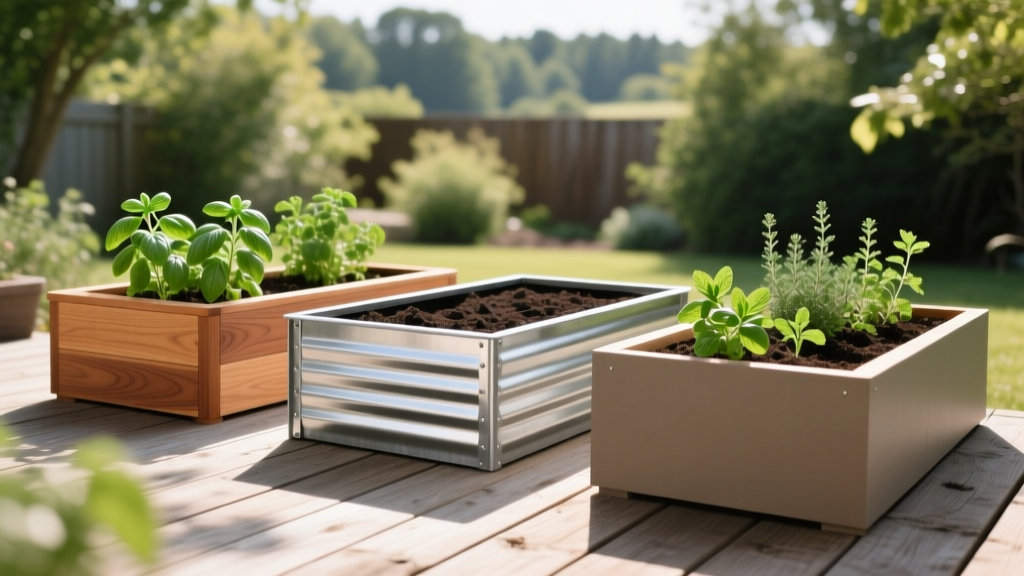
Best Raised Garden Bed Kits: Wood vs Steel vs Composite
Sarah ChenPublished
The Raised Bed Revolution: Why Material Matters
Raised bed gardening has transformed from a niche permaculture technique into a mainstream backyard staple. By elevating your soil, you gain superior drainage, warmer soil temperatures in early spring, and an ergonomic growing space that reduces back strain. However, the longevity, safety, and overall success of your garden hinge entirely on the material you choose to contain that soil. According to the University of Minnesota Extension, selecting the right bed material is critical for long-term soil health and structural integrity.
In this comprehensive product review and comparison, we are putting the three most popular raised bed materials head-to-head: natural cedar wood, galvanized steel, and recycled composite. We will break down specific product lines, analyze real-world costs, and address the persistent safety myths surrounding these materials.
Cedar Wood: The Traditionalist’s Choice
For decades, untreated western red cedar has been the gold standard for garden beds. Cedar contains natural oils (thujaplicins) that act as built-in fungicides and insect repellents, allowing it to resist rot without the need for chemical pressure treatments.
Top Pick: Gronomics Rustic Elevated Cedar Planter
- Dimensions: 4 ft x 8 ft x 11 in (also available in 22-inch heights)
- Average Cost: $350 - $420
- Lifespan: 7 to 12 years
The Good: The Gronomics kits are handcrafted from 100% untreated western red cedar. They feature a brilliant tool-free, slide-together dovetail design that takes under 15 minutes to assemble. The wood breathes naturally, insulating the soil against extreme temperature fluctuations.
The Bad: Cedar is expensive and will eventually succumb to moisture and soil microbes. If left untreated, it will weather to a silvery-gray within a year. To extend its life, you must re-apply a garden-safe sealant, such as raw linseed oil, every two seasons.
Galvanized Steel: The Modern Workhorse
Galvanized steel beds have exploded in popularity due to their sleek, modern aesthetic, modular designs, and incredible durability. Modern steel beds are coated in a zinc-aluminum-magnesium alloy to prevent rust, even when exposed to constant moisture and acidic soils.
Top Pick: Vego Garden 17-Inch Tall Modular Bed
- Dimensions: 6-in-1 modular configuration (fits 4x8, 2x10, etc.)
- Average Cost: $260 - $320
- Lifespan: 20 to 30+ years
The Good: Vego Garden uses a Zn/Al/Mg coating that is highly corrosion-resistant. The corrugated panels provide immense structural strength, preventing the bed from bowing outward when filled with heavy, wet soil. Furthermore, Vego includes a thick rubber safety edge band that snaps over the top rim, eliminating the risk of cuts from sharp metal edges.
The Bad: Steel is highly conductive. In scorching desert climates, the edges of the bed can become hot to the touch, and the soil immediately adjacent to the metal may dry out faster, requiring more frequent edge-watering.
Composite & Recycled Materials: The Eco-Conscious Pick
Composite beds are typically manufactured from a blend of recycled high-density polyethylene (HDPE) plastic and wood fibers, or purely from UV-stabilized recycled plastics. They offer the look of wood with zero biological degradation.
Top Pick: Frame It All Classic White Composite Bed
- Dimensions: 4 ft x 8 ft x 11 in
- Average Cost: $180 - $230
- Lifespan: 15 to 25 years
The Good: Frame It All beds are virtually maintenance-free. They will never rot, splinter, or require sealing. The interlocking stacking joints allow you to easily build multi-tiered, terraced gardens. Additionally, purchasing these beds diverts hundreds of pounds of plastic waste from landfills.
The Bad: While they won't rot, composite materials can warp or bow outward over time if the bed exceeds 8 feet in length without a center cross-brace. Furthermore, dark-colored composites can absorb significant heat, which may stress cool-season crops in mid-summer.
Head-to-Head Comparison Chart
| Feature | Cedar Wood (Gronomics) | Galvanized Steel (Vego) | Composite (Frame It All) |
|---|---|---|---|
| Initial Cost (4x8) | $$$ ($350+) | $$ ($260+) | $$ ($180+) |
| Expected Lifespan | 7 - 12 Years | 20 - 30+ Years | 15 - 25 Years |
| Assembly Difficulty | Easy (Slide-together) | Moderate (Nut & Bolt) | Easy (Snap-together) |
| Maintenance | High (Requires sealing) | Low (Inspect for scratches) | None (Wash with hose) |
| Heat Retention | Low (Insulates soil) | High (Conducts heat) | Moderate to High |
| Eco-Footprint | Biodegradable, Harvested | Recyclable, High Energy Mfg | Recycled Materials, Non-Biodegradable |
Soil Health, pH, and Safety Concerns
One of the most common questions we receive is whether galvanized steel leaches toxic heavy metals into the soil. According to research highlighted by Penn State Extension, the zinc used in the galvanization process is actually an essential micronutrient for plant growth. While highly acidic soils (pH below 5.5) can accelerate the breakdown of the zinc coating, the trace amounts released are well below toxic thresholds for both plants and humans. To ensure safety, maintain a neutral soil pH (6.2 to 6.8) and avoid using highly acidic amendments like pure peat moss directly against the metal walls.
Conversely, wood beds carry their own caveats. While untreated cedar is perfectly safe, gardeners must absolutely avoid using reclaimed pallets or pressure-treated lumber manufactured before 2004, which may contain chromated copper arsenate (CCA). As noted by experts at Fine Gardening, if you are unsure of the wood's origin, line the interior walls with heavy-duty food-grade polyethylene plastic to create a barrier between the soil and the timber.
Installation and Soil Volume Guide
Regardless of the material you choose, proper installation and soil preparation dictate your harvest yields. Here is our actionable guide to setting up your new beds:
1. Sizing and Depth Requirements
A 4-foot width is the industry standard because it allows the average gardener to reach the center of the bed from either side without stepping on and compacting the soil. For depth, 11 inches is sufficient for leafy greens, herbs, and bush beans. However, if you plan to grow deep-rooted crops like carrots, parsnips, or indeterminate tomatoes, opt for a 17-inch to 22-inch tall bed.
2. The Base Layer: Cardboard vs. Landscape Fabric
Do not place landscape fabric at the bottom of your raised beds. While it stops weeds, it also prevents deep taproots from penetrating the native soil and blocks beneficial earthworms from migrating into your bed. Instead, use the 'sheet mulching' method: lay down overlapping layers of plain, uncoated brown corrugated cardboard directly over the grass. This will smother existing weeds and naturally decompose over a single season, inviting earthworms into the bed.
3. Calculating and Mixing Your Soil
A standard 4 ft x 8 ft bed that is 1 foot deep requires exactly 32 cubic feet of soil. Never fill a raised bed with 100% native topsoil or garden soil; it will compact into a concrete-like brick when confined in a box. Instead, mix your own premium blend:
- 40% High-Quality Topsoil: Provides the mineral base and bulk.
- 40% Organic Compost: Provides slow-release nutrients and microbial life. Use a diverse blend (mushroom compost, cow manure, homemade compost).
- 20% Aeration & Drainage: Coarse horticultural perlite, pumice, or pine bark fines to ensure oxygen reaches the root zone.
Final Verdict: Which Should You Choose?
If you are a purist who values traditional aesthetics, natural insulation, and biodegradable materials, Cedar Wood remains a beautiful choice, provided you are willing to perform seasonal maintenance. If you want a modern, 'buy-it-for-life' garden with zero rot risk and excellent modularity, Galvanized Steel (Vego Garden) is currently the undisputed market leader in value and durability. Finally, if you want an eco-friendly, budget-conscious, and maintenance-free option that is safe for all organic growing, Composite (Frame It All) is a highly practical investment that will easily outlast a decade of heavy harvests.
