Gardening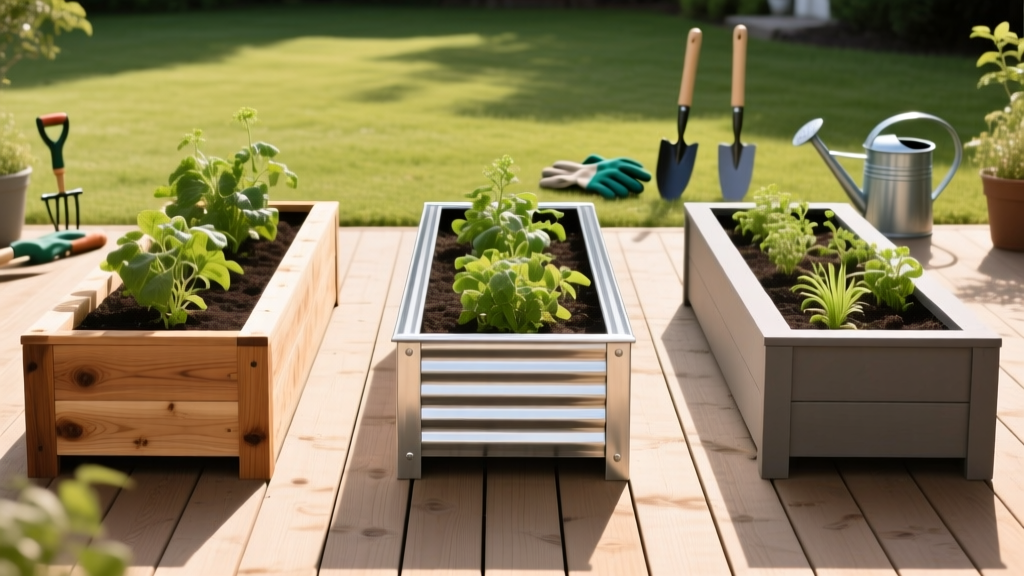
Best Raised Garden Bed Kits: Cedar vs Steel vs Composite
Mike RodriguezPublished
The Rise of the Raised Garden Bed
Raised bed gardening has transformed from a niche permaculture technique into a mainstream staple for home gardeners. By elevating your planting area, you gain unprecedented control over soil quality, drainage, and weed suppression. However, the foundation of any successful raised bed lies in its structural material. With dozens of kits flooding the market, choosing between traditional wood, modern galvanized steel, and eco-friendly composite can be overwhelming.
In this comprehensive product review and comparison, we break down the three most popular raised garden bed materials. We will evaluate specific kit profiles, analyze long-term costs, and provide actionable advice on soil preparation to ensure your garden thrives for decades.
Why Bed Material Dictates Your Garden's Success
The material you choose impacts more than just curb appeal. It influences soil temperature, moisture retention, and the potential for chemical leaching. According to the University of Minnesota Extension, raised beds warm up faster in the spring than in-ground soil, allowing for earlier planting. However, the thermal mass of your bed's walls will dictate how quickly that soil dries out in the peak of summer. Furthermore, avoiding chemically treated woods (like older CCA-treated lumber) is vital to prevent arsenic and copper from leaching into your food supply.
Cedar Raised Garden Beds: The Traditional Favorite
Product Profile: Premium Western Red Cedar 4x8x11 Kit
Western Red Cedar has long been the gold standard for wooden garden beds. It contains natural oils (thujaplicins) that act as built-in fungicides and insect repellents, allowing it to resist rot without chemical treatments.
- Dimensions: 4 ft x 8 ft x 11 in
- Average Cost: $220 - $280
- Estimated Lifespan: 10 - 15 years
- Assembly Time: 45 - 60 minutes
The Good: Cedar offers a classic, natural aesthetic that blends seamlessly into any landscape. It is an excellent insulator, keeping root zones cool in the summer and buffering against sudden spring frosts. The 11-inch depth is ideal for most leafy greens, herbs, and shallow-rooting vegetables.
The Bad: Wood eventually succumbs to moisture and soil microbes. While cedar outlasts pine or fir, it will still gray and degrade over a decade. To extend its life, gardeners must line the interior walls with heavy-duty landscape fabric or polyethylene to separate the damp soil from the wood.
Galvanized Steel Raised Beds: The Modern Workhorse
Product Profile: Vego Garden 17-Inch Modular Metal Kit
Galvanized steel beds, particularly those coated with a zinc-aluminum alloy (Zincalume), have exploded in popularity. They offer a sleek, industrial look and unparalleled longevity.
- Dimensions: 4 ft x 8 ft x 17 in (Modular)
- Average Cost: $200 - $260
- Estimated Lifespan: 20 - 30+ years
- Assembly Time: 30 - 45 minutes
The Good: Steel is impervious to rot, termites, and burrowing rodents. The 17-inch depth is a massive advantage for deep-rooted crops like tomatoes, carrots, and parsnips, aligning with the recommendations from Penn State Extension, which notes that deeper beds reduce the need for frequent watering and improve root crop yields. The modular nature of these kits also allows you to configure them into L-shapes or U-shapes.
The Bad: Metal conducts heat. In USDA Hardiness Zones 8 through 10, the edges of the bed can become hot enough to stress the outermost roots of your plants. Additionally, the bottom edges of cheaper metal kits can be razor-sharp, requiring the installation of included rubber safety trim.
Composite Raised Beds: The Eco-Friendly Contender
Product Profile: Frame It All Classic Composite 4x8x11 Kit
Composite beds are manufactured from a blend of recycled high-density polyethylene (HDPE) plastics and wood fibers. They are designed to mimic the look of wood while offering the permanence of plastic.
- Dimensions: 4 ft x 8 ft x 11 in
- Average Cost: $280 - $350
- Estimated Lifespan: 25+ years
- Assembly Time: 60 - 90 minutes
The Good: Composite will never rot, splinter, or require sealing. It is highly sustainable, diverting plastic waste from landfills. The material is also relatively thick, providing decent insulation against temperature fluctuations.
The Bad: The primary enemy of composite raised beds is hydrostatic pressure. When saturated with heavy, wet soil, the side walls can bow outward if not properly braced with cross-supports or aluminum bracing rods. They are also the most expensive option upfront.
Head-to-Head Comparison Chart
| Feature | Cedar Wood | Galvanized Steel | Composite |
|---|---|---|---|
| Avg. Cost (4x8) | $250 | $230 | $315 |
| Lifespan | 10-15 Years | 20-30+ Years | 25+ Years |
| Soil Temp Impact | Insulates (Neutral) | Conducts (Heats Soil) | Insulates (Slight Heat) |
| Pest Resistance | Moderate | High | High |
| Maintenance | Annual Sealing/Lining | None | None |
Climate Zone Considerations for Material Selection
Your local climate should heavily influence your purchasing decision:
- Northern Climates (Zones 3-5): Steel and Cedar are excellent. The heat-conducting properties of steel are actually a benefit here, as the metal walls will absorb the weak spring sun and warm the soil faster, extending your short growing season.
- Southern Climates (Zones 8-10): Avoid unshaded steel beds. The summer sun will bake the soil edges. Opt for Cedar or Composite, and apply a thick 3-inch layer of organic straw mulch to retain moisture and insulate the root zone.
- Wet/Humid Climates (Zones 6-7 Coastal): Skip the wood entirely. Constant humidity and heavy rainfall will accelerate fungal decay in even the best cedar. Composite is the undisputed champion in high-moisture environments.
Soil Preparation: Filling Your New Bed
A standard 4x8x11 raised bed requires approximately 32 cubic feet of soil. Do not fill it with native ground soil, which will compact and suffocate roots in a contained environment.
The Ideal Bulk Mix Recipe
For the most cost-effective and productive fill, order a bulk delivery from a local landscape supply yard using the following ratio:
- 50% Premium Topsoil: Provides the mineral base and structural bulk.
- 30% Organic Compost: Supplies slow-release nutrients and introduces beneficial soil microbiology.
- 20% Coarse Horticultural Sand or Pine Bark Fines: Ensures rapid drainage and prevents compaction over time.
Pro-Tip: Before adding soil, line the very bottom of your bed with 1/2-inch galvanized hardware cloth. Staple it to the interior walls to create an impenetrable barrier against gophers and moles.
Final Verdict: Which Kit Should You Buy?
If you are a budget-conscious gardener looking for a deep, permanent fixture that will outlast your mortgage, the Galvanized Steel Modular Kit is the undeniable winner. The 17-inch depth provides unparalleled versatility for crop rotation.
However, if you prioritize traditional aesthetics and live in a climate with extreme summer heat, a Western Red Cedar Kit remains a beautiful, functional choice—provided you are willing to replace it in 15 years. Finally, for the eco-conscious gardener who wants a zero-maintenance, rot-proof solution and doesn't mind paying a premium, Composite is the way to go. Choose your material wisely, fill it with premium soil, and prepare for your most abundant harvest yet.
