Home & Garden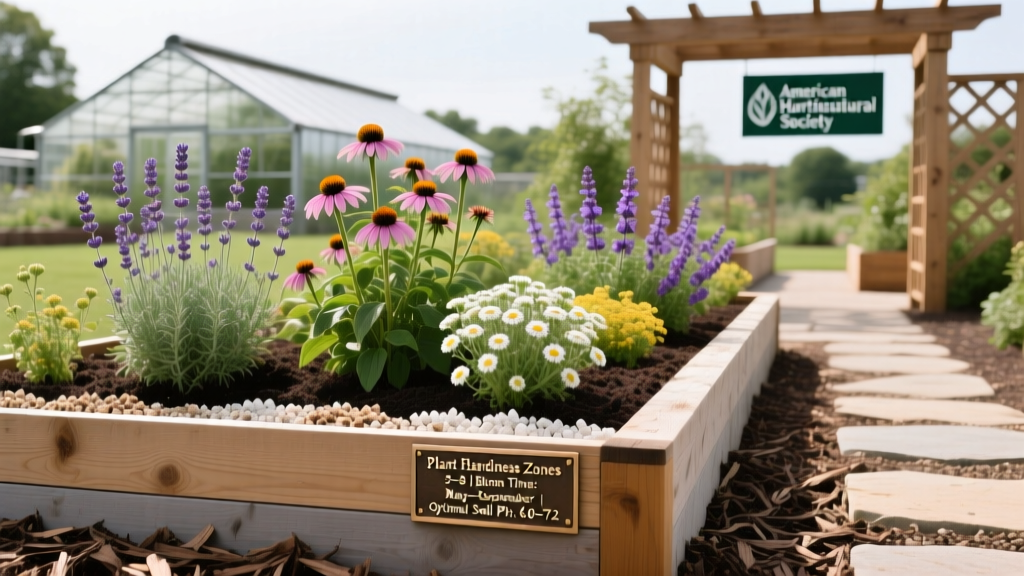
Raised Garden Bed Soil Mix Recipe
Building the Foundation: What Goes Into a Raised Bed Soil Mix
A raised garden bed is only as productive as the soil inside it. Unlike in-ground planting, where roots can reach deep into native earth, raised beds confine plants to whatever growing medium you provide. That means your soil mix has a big impact on how well your plants grow. Get it right, and you’ll see strong vegetables, herbs, and ornamentals — often better than what you’d get in compacted clay or sandy loam. Get it wrong, and even the healthiest-looking seedlings may stall or yellow.
The classic starting point for most gardeners is the "Mel's Mix" formula popularized by Mel Bartholomew in his square-foot gardening system: one-third coarse vermiculite, one-third peat moss or coconut coir, and one-third blended compost. This ratio gives you a light, well-draining medium that holds moisture without staying soggy. But this baseline works best when adjusted for what you’re growing, your local climate, and the height and construction of your bed.
The Core Ingredients and Their Roles
Every good raised bed mix balances four things: drainage, aeration, moisture retention, and nutrients. No single ingredient does all four, so blending matters.
Compost: The Nutritional Engine
Compost should make up 25–40% of your total mix by volume. It supplies slow-release nutrients, brings in beneficial microbes, and helps with both drainage and water retention — thanks to its varied pore sizes. The Royal Horticultural Society (RHS, 2023) recommends using a blend of at least three compost sources to broaden the microbial population and nutrient profile. Good options include aged mushroom compost, worm castings, leaf mold, and well-rotted manure from horses or chickens.
Worm castings stand out. At just 10–15% of total mix volume, they boost microbial activity and deliver nitrogen, phosphorus, and potassium in gentle, plant-ready forms. They also contain humic acids, which help plants absorb nutrients more easily.
Structural Components: Aeration and Drainage
Perlite and coarse horticultural sand keep the mix from packing down and let oxygen reach the roots. Perlite — a volcanic glass expanded by heat — is lightweight and neutral in pH, so it fits most situations. Use it at 20–25% of total mix volume. Coarse builder's sand (not fine beach sand, which compacts) can replace or supplement perlite at similar ratios.
Pumice is becoming a common alternative to perlite, especially in drier areas. It’s heavier than perlite and stays put during watering instead of floating to the top. The Denver Botanic Gardens uses pumice-heavy mixes in their xeriscape beds and has seen stronger root development in ornamental grasses and drought-tolerant perennials.
Moisture Retention: Coir vs. Peat
Sphagnum peat moss has long been the go-to moisture-retention ingredient in raised bed mixes. But harvesting peat damages carbon-storing bogs, so many gardeners now choose coconut coir instead. Coir comes from coconut processing — a renewable byproduct. It holds about 8–9 times its weight in water and has a near-neutral pH of 5.8–6.8, compared to peat’s more acidic 3.5–4.5.
For most ornamental and vegetable gardens, coir works well. Use it at 20–30% of total mix volume. If you're growing acid-loving plants like blueberries, azaleas, or rhododendrons, peat moss still makes sense for lowering pH.
Adjusting pH for Specific Plants
Soil pH affects which nutrients plants can actually use. Most vegetables and ornamentals do best between pH 6.0 and 7.0, where phosphorus, calcium, and micronutrients stay available. Outside that range, plants may show deficiency symptoms even if the soil is rich in nutrients.
"Soil pH is the master variable of plant nutrition. A shift of just one pH unit — say, from 6.5 to 5.5 — can reduce phosphorus availability by more than 50%, regardless of how much phosphorus is present in the soil." — American Horticultural Society, Soil Science for Gardeners, 2021
To raise pH (make soil more alkaline), add ground limestone at 5–10 lbs per 100 square feet of bed surface. To lower pH, use elemental sulfur at 1–2 lbs per 100 square feet, or aluminum sulfate for quicker results. Always test first — a simple home test kit or a lab analysis through your local cooperative extension service will give you a clear starting point.
pH Requirements by Plant Category
| Plant Type | Ideal pH Range | Common Examples |
|---|---|---|
| Most vegetables | 6.0–7.0 | Tomatoes, peppers, lettuce, beans |
| Acid-loving ornamentals | 4.5–6.0 | Azalea, rhododendron, blueberry, camellia |
| Herbs | 6.0–7.5 | Basil, thyme, rosemary, lavender |
| Ornamental grasses | 5.5–7.0 | Miscanthus, Pennisetum, Panicum |
| Bulbs | 6.0–7.0 | Tulip, daffodil, allium, dahlia |
Designing Mixes for Ornamental Raised Beds
Ornamental raised beds — those planted with perennials, flowering shrubs, or seasonal displays — have different soil needs than vegetable beds. They need structure that lasts, since the soil isn’t turned over each year, and they must support plants with different root depths and moisture preferences.
For a mixed perennial bed in USDA Hardiness Zones 5–8, a solid base mix is 35% aged compost, 25% topsoil, 20% perlite or pumice, and 20% coir. This blend supports bloomers across the season. Early spring plants like hellebores (Helleborus orientalis, blooming February–April) like slightly acidic, humus-rich conditions, while summer-blooming coneflowers (Echinacea purpurea, blooming June–September) handle a wider pH range and benefit from the drainage this mix offers.
For late-season interest, ornamental kale and asters (Symphyotrichum spp., blooming August–October) carry the display into fall. The Chicago Botanic Garden’s perennial trials show that beds with high organic matter content — above 8% by weight — consistently bloom longer and stay healthier across multiple years.
Layering for Deep-Rooted Ornamentals
Raised beds deeper than 12 inches work well with layering. Fill the bottom 6–8 inches with a coarser, less expensive material: wood chip compost, aged wood chips, or straw (the "hugelkultur" method). This lower layer breaks down slowly, releasing gentle heat and nutrients over several years. Top it with your premium blended mix for the upper 8–12 inches where most roots grow.
This cuts down on how much expensive amendment you need while improving drainage in the lower part of the bed. It’s especially helpful for ornamental shrubs like roses, which develop deep roots and benefit from the steady nutrient release below.
Fertilization and Long-Term Soil Maintenance
Even the best initial mix changes over time. Plants pull out nutrients, rain washes away soluble minerals, and organic matter breaks down. A simple maintenance routine keeps your raised bed productive year after year.
At the start of each growing season, spread 1–2 inches of fresh compost over the bed. This adds organic matter, brings back microbes, and feeds plants slowly — no risk of burning. For heavy feeders like tomatoes or flowering annuals, add a balanced granular fertilizer (10-10-10 or similar) at the label rate, usually 1–2 lbs per 100 square feet.
- Test soil pH every 2–3 years and adjust as needed
- Add 1–2 inches of compost each spring before planting
- Work in a slow-release granular fertilizer at the start of the growing season
- Mulch the surface with 2–3 inches of shredded bark or straw to cut moisture loss and buffer soil temperature
- Avoid walking on the soil to keep it loose — aim for bed widths under 4 feet so you can reach the center from either side
- In fall, plant winter rye or crimson clover to protect the soil and add nitrogen
The North American Rock Garden Society (NARGS, 2022) points out that alpine and rock garden plants grown in raised beds need sharp drainage — up to 50% inorganic grit by volume — and little fertilizer. Too much food leads to soft, disease-prone growth. For these, drop compost to 15–20% and increase pumice or crushed granite.
Sourcing and Calculating Quantities
Before buying materials, figure out how much soil your bed holds: length × width × depth (all in feet). A standard 4 × 8 × 1-foot bed holds 32 cubic feet. Most bagged amendments come in 1–3 cubic foot bags; bulk materials are sold by the cubic yard (27 cubic feet).
- Measure your bed dimensions and calculate total cubic footage
- Multiply total volume by the percentage of each ingredient (e.g., 35% compost = 0.35 × 32 = 11.2 cubic feet)
- Convert to bags or bulk yards as needed for purchasing
- Order 10–15% extra to cover settling — raised bed soil usually compresses 15–20% the first season
- Mix ingredients thoroughly before filling, either in a wheelbarrow or directly in the bed using a garden fork
For large projects — multiple beds or community gardens — buying compost and topsoil in bulk from a local landscape supplier usually costs less than bagged products. Many cities also offer free or low-cost compost made from yard waste and food scraps. Check with your local extension office or nearby botanical gardens; places like Longwood Gardens in Pennsylvania and the Missouri Botanical Garden often share regional soil tips based on local climate and native plants.
Taking time to build the right soil mix before planting pays off for years. A well-made raised bed supports healthy roots, lowers pest and disease pressure, and grows plants that look and feel vibrant — the kind that make gardening satisfying, day after day.
