Gardening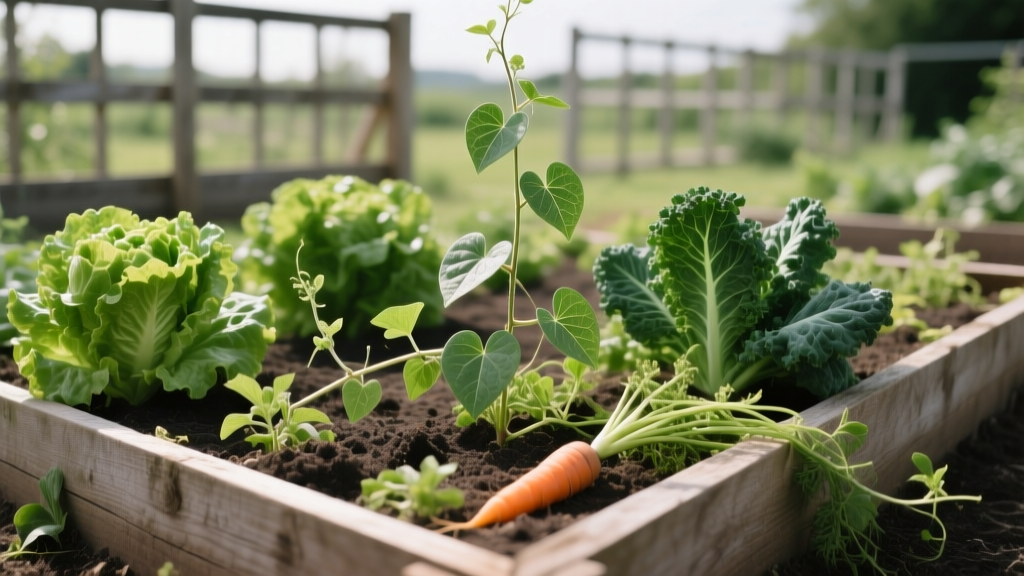
How to Identify and Eradicate Bindweed in Garden Beds
David ParkPublished
The Ultimate Guide to Identifying and Eradicating Bindweed in Garden Beds
Every vegetable gardener and flower enthusiast eventually faces a common, deeply entrenched enemy: bindweed. Often mistaken for the harmless and beautiful morning glory, bindweed is a highly aggressive, twining perennial weed that can quickly overtake raised beds, choke out your prized tomato plants, and ruin the aesthetic of your ornamental flower borders. Unlike annual weeds that complete their lifecycle in one season and can be easily pulled, bindweed is a persistent perennial that requires a strategic, multi-year approach to fully eradicate.
If you are noticing vine-like stems wrapping around your vegetable crops or seeing white, trumpet-shaped flowers blooming amidst your lettuce and peppers, you likely have a bindweed infestation. In this comprehensive guide, we will cover exactly how to identify this notorious weed, understand its hidden dangers, and deploy actionable, cost-effective removal strategies ranging from organic smothering techniques to targeted chemical applications.
How to Identify Bindweed in the Garden
Before you can defeat bindweed, you must accurately identify it. There are two primary types of bindweed that plague home gardens: Field Bindweed (Convolvulus arvensis) and Hedge Bindweed (Calystegia sepium). While they share similar characteristics, field bindweed is generally more problematic in vegetable gardens due to its drought tolerance and extensive root system.
- Leaves: Field bindweed leaves are typically arrowhead-shaped, about 1 to 2 inches long, and alternate along the stem. Hedge bindweed leaves are larger, more triangular, and have distinct lobes at the base.
- Flowers: Both produce trumpet-shaped flowers resembling morning glories. Field bindweed flowers are smaller (about 1 inch across) and range from white to pale pink with darker pink stripes. Hedge bindweed flowers are larger, pure white, and feature two prominent green bracts at the base of the flower.
- Growth Habit: Bindweed stems are twining, meaning they will wrap tightly around any vertical support, including your vegetable stakes, trellises, and the stems of your crops. They do not have tendrils like peas or grapes; instead, the entire stem spirals.
The Hidden Danger: A Formidable Root System
The true threat of bindweed lies beneath the soil surface. According to the University of California Integrated Pest Management program, field bindweed possesses one of the most extensive and resilient root systems of any weed species. The roots can penetrate the soil to depths of 10 to 20 feet, allowing the plant to survive severe droughts and winter freezes that would kill shallow-rooted plants.
Furthermore, the root system is incredibly brittle. If you attempt to pull bindweed by hand and the root snaps, any fragment left in the soil—even a piece as small as one inch—can generate a new, fully established plant. To make matters worse, Penn State Extension notes that bindweed seeds can remain viable in the soil seed bank for up to 50 years, meaning that allowing even a single plant to go to seed will guarantee future infestations for decades to come.
Proven Strategies for Bindweed Removal
Eradicating bindweed from active vegetable gardens and raised beds requires patience and persistence. Because you cannot simply till the soil (which chops the roots into hundreds of new plants), you must rely on targeted removal methods.
1. Persistent Cultivation and Starvation (Organic)
The most effective non-chemical method for managing bindweed in active garden beds is persistent starvation. Bindweed relies on its leaves to photosynthesize and send energy down to its massive root system. By repeatedly removing the foliage before it can produce more than three or four leaves, you force the root system to expend its stored energy reserves to push up new growth.
Action Plan: Inspect your garden beds every 5 to 7 days. Use a sharp hoe to sever the bindweed shoots just below the soil surface. Do not pull them, as this risks breaking the deep taproot and stimulating lateral root buds. This method costs nothing but your time, but it requires strict adherence for 2 to 3 growing seasons to fully deplete the root reserves.
2. Smothering and Solarization (Organic)
If you have a heavily infested bed that you are willing to take out of production for a season, smothering is highly effective. The Royal Horticultural Society recommends using heavy, light-blocking physical barriers to exhaust the weed over time.
Action Plan: Clear the bed of all desirable plants. Lay down overlapping sheets of heavy-duty corrugated cardboard, ensuring there are no gaps. Wet the cardboard thoroughly, then cover it with 4 to 6 inches of wood chips, straw, or compost. Cost & Timing: Cardboard is often free from local appliance stores. Mulch costs approximately $30 to $50 per cubic yard. You must leave this barrier in place for at least 12 to 18 months. Bindweed will eventually find a pinhole of light and push through, so you must monitor the edges and immediately snip any escapees.
3. Targeted Systemic Herbicides (Chemical)
In ornamental beds or non-edible borders, systemic herbicides containing Glyphosate (e.g., Roundup Pro) or Triclopyr are highly effective. These chemicals are absorbed by the leaves and translocated down into the deep root system, killing the plant from the inside out. Note: Triclopyr is not labeled for use in edible vegetable gardens.
Action Plan for Veg Gardens: Because glyphosate is non-selective and will kill your vegetables on contact, you must use the "wicking" or "painting" method. Put on chemical-resistant gloves, mix a concentrated glyphosate solution according to the label, and use a small sponge brush to carefully paint the herbicide directly onto the bindweed leaves. Cost & Timing: A small bottle of concentrated glyphosate costs around $20 to $30. The best time to apply systemic herbicides is in late summer or early fall, when the plant is naturally drawing carbohydrates down into its roots for winter storage, ensuring the chemical reaches the deepest parts of the root system.
4. Organic Burn-Down Herbicides
For gardeners who want a chemical spray but refuse to use synthetic herbicides, 20% to 30% horticultural vinegar (acetic acid) or d-limonene (citrus oil) based products like BurnOut II can be used. The Catch: These are contact herbicides. They will rapidly burn the bindweed foliage to a crisp within hours, but they will not translocate to the roots. You will need to spend $30 to $40 per gallon on these products and apply them every time the bindweed resprouts, making this an expensive, long-term suppression tactic rather than a permanent cure.
Comparison Chart: Bindweed Removal Methods
| Removal Method | Estimated Cost | Time to Eradication | Best Used In | Pros & Cons |
|---|---|---|---|---|
| Persistent Hoeing (Starvation) | $0 (Labor only) | 2 to 3 Years | Active Vegetable Beds | Pro: Safe for crops, free. Con: Requires intense, weekly labor. |
| Cardboard Smothering | $30 - $50 per 100 sq ft | 12 to 18 Months | Fallow Beds, Pathways | Pro: Improves soil structure. Con: Bed is unusable for over a year. |
| Targeted Glyphosate Wicking | $20 - $30 per bottle | 1 to 2 Seasons | Ornamental Borders, Fences | Pro: Kills deep roots effectively. Con: High risk of damaging nearby crops. |
| Horticultural Vinegar (20%) | $30 - $40 per gallon | Ongoing Suppression | Organic Gardens, Patios | Pro: OMRI listed, fast burn-down. Con: Does not kill roots, lowers soil pH. |
Preventing Bindweed from Returning
Once you have spent a season or two eradicating bindweed, your final step is prevention. Because bindweed seeds can blow in from neighboring fields or be introduced through contaminated compost and manure, vigilance is key. Never use cheap, unverified topsoil or municipal compost in your garden beds, as these are common vectors for bindweed seeds and root fragments.
Additionally, maintain a thick layer of organic mulch (2 to 3 inches) around your vegetables and flowers. While mulch alone will not stop established bindweed, it blocks the sunlight necessary for bindweed seeds to germinate. Finally, if you use landscape fabric in your perennial beds, invest in heavy-duty, woven geotextile fabric rather than cheap, thin black plastic. Bindweed stems are incredibly sharp and will easily puncture thin plastic, but a high-quality woven fabric (costing roughly $0.50 to $1.00 per square foot) will provide a robust physical barrier against emerging shoots while still allowing water to penetrate the soil.
By combining accurate identification, relentless manual cultivation, and strategic use of physical barriers, you can reclaim your garden beds from bindweed and ensure your vegetables and flowers have the space, nutrients, and sunlight they need to thrive.
