
Landscaping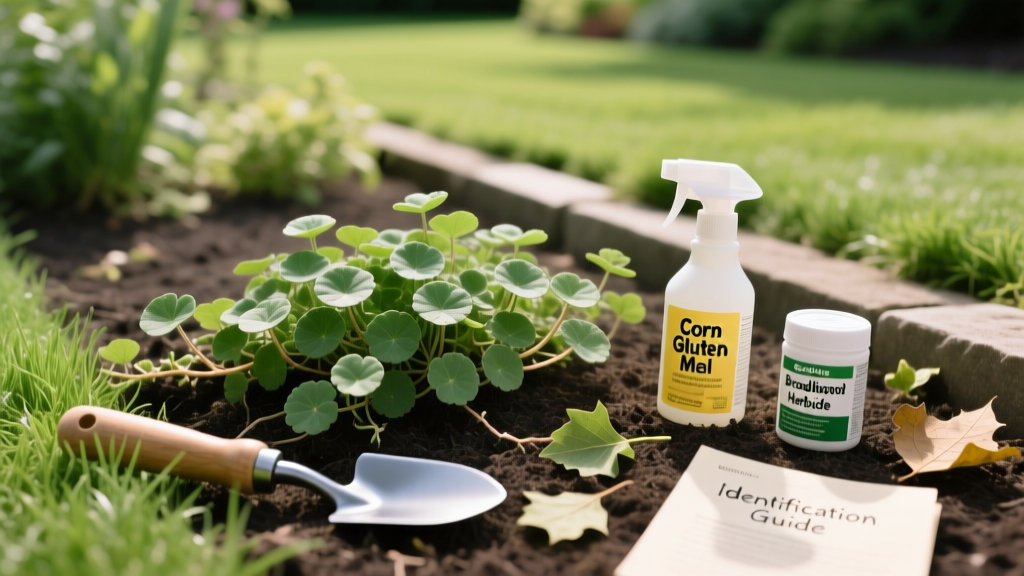
How to Identify and Eradicate Creeping Charlie Weeds
Mike RodriguezPublished
Introduction to Creeping Charlie (Glechoma hederacea)
Creeping Charlie, scientifically known as Glechoma hederacea, is a perennial broadleaf weed that strikes fear into the hearts of homeowners and landscaping professionals alike. Originally introduced to North America by European settlers as a medicinal herb and a shade-tolerant groundcover, this aggressive member of the mint family has since become one of the most difficult invasive weeds to manage in modern landscapes. According to the USDA Plants Database, it has naturalized across the vast majority of the United States, thriving in the very conditions where traditional turfgrass struggles to survive.
Whether it is choking out your carefully curated shade garden, invading your lawn, or creeping over hardscape edging, understanding its biology is the first step toward effective eradication. This comprehensive guide will walk you through identification, manual removal techniques, organic alternatives, and targeted chemical controls to reclaim your outdoor spaces.
How to Identify Creeping Charlie in Your Landscape
Accurate identification is crucial before applying any control method. Creeping Charlie shares some visual similarities with other broadleaf weeds like henbit or speedwell, but it has several distinct characteristics:
- Leaves: The leaves are round to kidney-shaped with deeply scalloped (crenate) edges. They are typically a bright to dark green, sometimes with a purplish tint in cooler weather, and have a slightly puckered texture due to indented veins.
- Stems: Like all mint family members, the stems are distinctly square-shaped when rolled between your fingers. These stems (stolons) root at the nodes wherever they touch the soil, creating a dense, mat-like network.
- Flowers: In early to mid-spring, the plant produces small, funnel-shaped flowers that range from pale blue to lavender, clustering in groups of three or more near the leaf axils.
- Odor: The most foolproof identification method is the smell. When you crush a leaf or stem between your fingers, it releases a strong, pungent, minty-herbal aroma.
Why Creeping Charlie is a Landscaping Nightmare
Creeping Charlie is not just a passive competitor; it is an aggressive colonizer. It thrives in moist, shaded areas with poor soil drainage—conditions that often cause turfgrass to thin out. Once established, it utilizes a dual-threat reproductive strategy: it spreads vegetatively via above-ground stolons and below-ground rhizomes, and it produces thousands of seeds that can remain viable in the soil seed bank for years.
Furthermore, creeping Charlie exhibits allelopathic properties, meaning it releases biochemicals into the soil that actively inhibit the germination and growth of surrounding desirable plants. This makes it particularly devastating in landscape beds featuring shade-loving perennials like hostas, ferns, and coral bells.
Manual and Organic Removal Methods
Hand-Pulling and Smothering (Best for Landscape Beds)
In garden beds where chemical herbicides could harm desirable ornamental plants, manual removal is your best defense. Because creeping Charlie roots at every node, simply yanking the top growth will leave behind root fragments that quickly regenerate.
The Proper Technique:
- Water the area deeply the night before to soften the soil.
- Use a hand weeding fork or a specialized stand-up weeder to gently lift the soil beneath the stolons.
- Pull the weed slowly, ensuring you extract the nodes and root systems.
- Immediately dispose of the plant material in sealed yard waste bags. Never compost creeping Charlie, as it can survive the composting process and reinfest your garden.
Sheet Mulching for Severe Bed Infestations
If a landscape bed is entirely overrun, smothering is a highly effective organic method. Mow or string-trim the area as low as possible, lay down overlapping sheets of plain brown corrugated cardboard (removing all tape and labels), and cover with 3 to 4 inches of high-quality hardwood mulch. This blocks sunlight, effectively killing the weed mat within a single growing season while improving the underlying soil structure.
Iron-Based Herbicides (FeHEDTA)
For organic-leaning lawn care, chelated iron herbicides (active ingredient: FeHEDTA) have revolutionized broadleaf weed control. Products like Natria Lawn Weed Control or Fiesta exploit a biological difference between grasses and broadleaf weeds. Broadleaf weeds absorb iron rapidly and suffer from fatal oxidative stress and tissue necrosis, while grasses can regulate iron uptake and remain unharmed. Apply these liquid products directly to the foliage on a calm, dry day when temperatures are between 50°F and 75°F.
Pro-Tip: The Borax Myth
Do not use borax (sodium borate) to kill creeping Charlie. While older internet forums frequently recommend mixing 20 Mule Team Borax with water, modern soil science strongly advises against it. Excessive boron causes severe, long-lasting soil toxicity that will prevent future grass or ornamental plant growth and can leach into groundwater.
Chemical Control Options for Lawns and Hardscape Edges
When manual removal is impossible due to the scale of the infestation in your turfgrass, selective systemic herbicides are necessary. The most effective active ingredients for creeping Charlie are Triclopyr and Dicamba, often combined with 2,4-D and Mecoprop (MCPP) in commercial 'Tri-Mec' formulations.
According to the National Pesticide Information Center (NPIC), Triclopyr is a highly effective selective herbicide that mimics plant growth hormones, causing broadleaf weeds to grow themselves to death. When handling and applying these chemicals, always follow the EPA guidelines for safe pest control, wear appropriate personal protective equipment (PPE), and keep pets and children off the lawn until the application has completely dried.
The Critical Importance of Fall Application
Timing is everything when using systemic herbicides. The absolute best time to treat creeping Charlie is in the fall (late September through October). During this period, perennial weeds are actively translocating carbohydrates from their leaves down into their root systems to prepare for winter dormancy. When you apply a systemic herbicide in the fall, the plant eagerly pulls the chemical down into the rhizomes, ensuring a complete root kill. Spring applications, while helpful for reducing visible foliage and flowers, often only 'burn off' the top growth, allowing the weed to return from the roots within weeks.
Comparison Chart: Creeping Charlie Removal Methods
| Method | Best Application Area | Estimated Cost | Effort Level | Efficacy & Timeline |
|---|---|---|---|---|
| Hand-Pulling | Small garden beds, edges | $0 - $30 (Tools) | Very High | Moderate; requires constant vigilance |
| Sheet Mulching | Heavily infested ornamental beds | $40 - $80 (Cardboard & Mulch) | Moderate | High; 1-2 months for complete smothering |
| Iron-Based Herbicide (FeHEDTA) | Lawns, organic landscapes | $25 - $40 per gallon | Low | Moderate to High; requires multiple applications |
| Triclopyr/Dicamba Mix | Large turfgrass areas | $30 - $60 per concentrate bottle | Low | Very High; 1-2 fall applications usually eradicate |
Preventing Future Infestations in Landscape Beds
Eradicating the current crop of creeping Charlie is only half the battle. Because seeds can blow in from neighboring properties and rhizomes can creep under standard plastic edging, preventative landscaping practices are essential.
- Install Deep Physical Barriers: Standard 3-inch landscape edging will not stop creeping Charlie. Install metal or heavy-duty plastic edging that extends at least 6 to 8 inches below the soil surface to block underground rhizomes.
- Maintain Thick Mulch Layers: Keep a consistent 2 to 3-inch layer of organic mulch in all landscape beds. This blocks sunlight from reaching weed seeds and suppresses early germination.
- Plant Dense Shade Groundcovers: Creeping Charlie exploits bare soil. In deeply shaded areas where grass fails, plant aggressive but non-invasive shade groundcovers like Sweet Woodruff (Galium odoratum) or Barrenwort (Epimedium) to outcompete weeds for resources.
- Improve Lawn Density: In turf areas, aerate compacted soil, overseed with shade-tolerant fine fescues, and adjust irrigation schedules to prevent the damp, boggy conditions that creeping Charlie prefers.
Conclusion
Creeping Charlie is a formidable opponent in any landscaping project, but it is not invincible. By accurately identifying the weed, understanding its seasonal growth patterns, and deploying a combination of physical barriers, smothering techniques, and targeted fall herbicide applications, you can successfully evict this invasive mint from your property. Patience and persistence are your best tools; commit to a multi-season management plan, and your landscape beds and lawns will thrive free from the grip of Glechoma hederacea.

