
Landscaping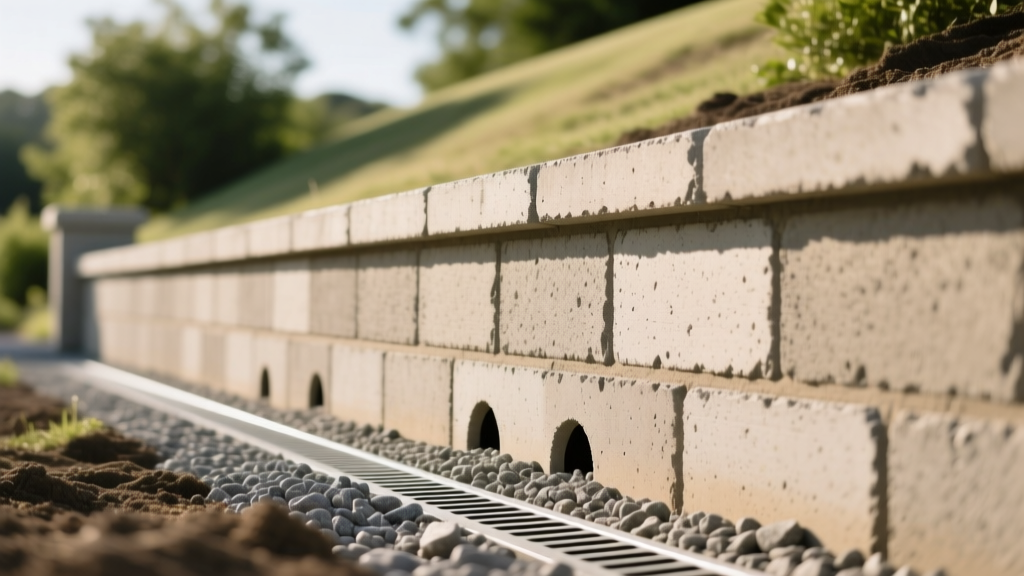
Top Retaining Wall Drainage Mistakes and How to Fix Them
David ParkPublished
The Hidden Enemy of Hardscaping: Hydrostatic Pressure
Retaining walls are a cornerstone of functional landscape design, allowing homeowners to create level patios, manage steep slopes, and prevent soil erosion. However, the number one reason retaining walls bulge, crack, or catastrophically collapse is not poor structural design—it is improper drainage. When water accumulates in the soil behind a wall, it creates hydrostatic pressure. Water is incredibly heavy, weighing roughly 62.4 pounds per cubic foot. When saturated soil pushes against a retaining wall, the lateral force can easily exceed the wall's structural limits. According to the National Concrete Masonry Association (NCMA), the vast majority of segmental retaining wall failures are directly linked to inadequate drainage and poor backfill practices. In this guide, we will explore the most common retaining wall drainage mistakes and provide actionable, step-by-step fixes to ensure your hardscaping project stands the test of time.
Mistake 1: Using Native Soil for Backfill
The Problem
One of the most frequent and costly mistakes DIYers and inexperienced contractors make is using the native soil excavated from the site as backfill directly behind the retaining wall. Native soils, particularly those high in clay, act like sponges. They retain water, expand when wet, and create immense hydrostatic pressure. Furthermore, clay soils have poor permeability, meaning water pools against the back of the wall rather than draining away. The University of Minnesota Extension emphasizes that proper backfill material is critical for relieving water pressure and preventing frost heave in colder climates.
The Fix
Never use native soil immediately behind the wall. Instead, create a dedicated drainage zone. Excavate an additional 12 to 18 inches behind the wall's footprint. Fill this zone entirely with clean, washed, 3/4-inch crushed stone (often called clear gravel or drainage rock). This material has large void spaces that allow water to flow freely downward to the base drainage system without retaining moisture. To prevent the surrounding native soil from migrating into the gravel and clogging it over time, line the excavated trench with a high-quality, non-woven geotextile landscape fabric before adding the stone. Wrap the fabric over the top of the gravel before adding the final layer of topsoil.
Mistake 2: Inadequate Base Preparation and Compaction
The Problem
A retaining wall is only as strong as its foundation. Many builders attempt to save time and money by laying the first course of retaining wall blocks directly on native dirt or a shallow bed of sand. When water saturates the soil beneath the wall, or when the ground freezes and thaws, the base shifts. This differential settlement causes the wall to lean, crack, and eventually fail.
The Fix
You must excavate below the frost line for your specific region (which can be 36 to 48 inches deep in northern climates) or at least 6 to 8 inches below grade for shallow walls in warmer zones. Fill the trench with a mechanically compacted base material, such as 3/4-inch minus gravel or crushed limestone. Use a mechanical plate compactor to tamp the base in 2-inch to 4-inch lifts (layers) until it is rock solid. The base should be perfectly level and extend at least 6 inches beyond the front and back of the wall blocks. This wider footprint distributes the weight and prevents the base from washing out during heavy rains.
Mistake 3: Forgetting the Perforated Drain Pipe and Weep Holes
The Problem
Even with perfect gravel backfill, water needs an exit strategy. Relying solely on the permeability of the gravel is a mistake, especially for walls taller than three feet or walls built in areas with heavy rainfall. Without a dedicated pipe system, the gravel can become fully saturated, defeating its purpose.
The Fix
Install a 4-inch perforated PVC or corrugated flexible drain pipe at the very base of the wall, directly behind the first course of blocks. The pipe must be wrapped in a geotextile fabric sock to prevent soil and fine gravel from clogging the perforations. Crucially, the pipe must be sloped at a minimum grade of 1/8 inch per foot (1% slope) and must daylight (exit to the surface) at one or both ends of the wall, or tie into a solid stormwater drainage system. Additionally, if you are using solid concrete blocks or mortared stone, you must install weep holes—small gaps or PVC tubes—every 4 to 6 feet along the base of the wall to allow trapped water to escape.
Mistake 4: Neglecting Surface Water Management
The Problem
Landscapers often focus entirely on what happens behind the wall and ignore the water flowing toward it from above. If a driveway, roof downspout, or steep upper lawn directs surface runoff straight into the top of the retaining wall backfill, the drainage system will be overwhelmed during a storm.
The Fix
Manage water before it reaches the wall. Grade the soil at the top of the wall so it slopes away from the edge at a 2% to 5% drop. Install a concrete or stone swale, or a shallow French drain, parallel to the top of the wall to intercept surface runoff and divert it around the sides of the wall. Ensure all nearby roof downspouts are connected to solid PVC pipes that route water safely away from the retaining wall structure.
Understanding Soil Types and Percolation Rates
Before designing your drainage system, it is vital to understand the percolation rate of your native soil. Sandy soils drain quickly, meaning a smaller gravel backfill zone may suffice. Clay soils, however, have virtually zero permeability. If you are building in heavy clay, the NCMA recommends increasing the width of your washed gravel backfill zone from 12 inches to 24 inches to provide adequate storage volume for water during heavy rain events before it can exit through the drain pipe. You can perform a simple percolation test by digging a test hole, filling it with water, and measuring how long it takes to drain. If the water level drops less than one inch per hour, you are dealing with poorly draining soil and must over-engineer your drainage solutions accordingly.
Retrofitting an Existing Failing Wall
If you have an existing retaining wall that is already showing signs of bulging or weeping excessively, you may not need to tear it down completely. Here is a structured approach to retrofitting drainage into an existing wall:
- Step 1: Core Drilling. Use a masonry core drill to cut 2-inch to 3-inch weep holes through the wall face every 4 feet, positioned just above the ground level.
- Step 2: Top Excavation. Carefully dig out the top 18 inches of soil behind the wall. Remove any clay or native dirt.
- Step 3: Fabric and Gravel. Line the trench with non-woven geotextile fabric and backfill with 3/4-inch washed gravel.
- Step 4: Surface Interception. Install a surface trench drain at the top of the slope to catch water before it percolates down into the wall's backfill zone.
Retaining Wall Drainage Materials and Cost Breakdown
Proper drainage requires an upfront investment, but it is a fraction of the cost of rebuilding a collapsed wall. Below is a comparison of essential drainage materials and their estimated costs.
| Material | Purpose | Estimated Cost | Pro Tip |
|---|---|---|---|
| 3/4-inch Washed Gravel | Primary drainage backfill zone | $40 - $60 per ton | Do not use pea gravel; it shifts too easily under load. |
| Non-Woven Geotextile Fabric | Separates soil from gravel to prevent clogging | $0.50 - $1.00 per sq ft | Avoid woven weed barrier; it restricts water flow. |
| 4-inch Perforated PVC Pipe | Collects and routes water away from the base | $15 - $25 per 10 ft stick | Always use rigid PVC rather than flexible corrugated pipe for better flow. |
| 3/4-inch Minus Crushed Stone | Compacted base foundation | $30 - $50 per ton | The minus dust fills voids, creating a concrete-like base when tamped. |
Conclusion
Water is the ultimate adversary of any hardscaping project. By avoiding the common mistakes of using native backfill, neglecting the base, and forgetting exit routes for water, you can build a retaining wall that remains plumb, stable, and beautiful for decades. Always consult local building codes and engineering guidelines, especially for walls exceeding four feet in height, and invest heavily in your drainage infrastructure before laying the very first block.

