Gardening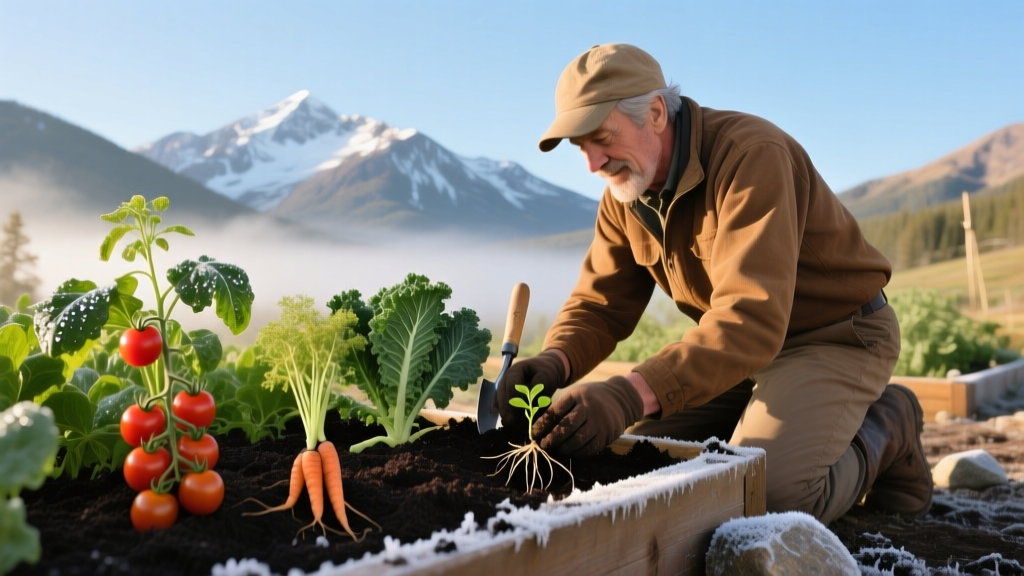
Rocky Mountain Gardening: High-Altitude Vegetable Tips
Robert HayesPublished
Mastering the Rocky Mountain Garden: A High-Altitude Guide
Gardening in the Rocky Mountains presents a breathtaking backdrop, but it also introduces a unique and often unforgiving set of horticultural challenges. Elevations above 5,000 feet in states like Colorado, Wyoming, Montana, and Utah typically fall into the harsher categories of the USDA Plant Hardiness Zone Map, specifically Zones 3 through 5. For home gardeners, this means battling a notoriously short growing season, intense solar radiation, drastic diurnal temperature swings, and heavy, alkaline soils. However, with the right regional strategies, you can cultivate a thriving, high-yield vegetable garden. This guide provides actionable, climate-specific care instructions tailored for high-altitude environments.
Understanding the High-Altitude Climate Challenges
Before breaking ground, it is crucial to understand the four primary environmental hurdles that define mountain gardening:
- Short Growing Season: Many mountain valleys experience fewer than 90 to 110 frost-free days. A late spring freeze in June or an early autumn snowstorm in September can wipe out tender crops overnight.
- Intense UV Radiation: At higher elevations, the atmosphere is thinner, meaning UV radiation is significantly stronger. This can cause sunscald on developing fruits like tomatoes and peppers, and rapidly dry out exposed soil.
- Diurnal Temperature Swings: It is common for daytime temperatures to reach 85°F and plummet to 40°F at night. These massive shifts can stress plants, causing blossom drop in nightshades and stunting root development.
- Unpredictable Hail: Summer convective storms frequently bring devastating hail that can shred leafy greens and snap delicate stems in minutes.
Soil Preparation and Raised Bed Construction
Native Rocky Mountain soils are predominantly heavy clay and highly alkaline, with pH levels often ranging from 7.5 to 8.5. This high pH locks up essential micronutrients like iron and manganese, leading to chlorosis (yellowing leaves). Furthermore, clay soils warm up very slowly in the spring, delaying seed germination.
Building Warming Raised Beds
To bypass poor native soil and accelerate spring warming, raised beds are virtually mandatory for high-altitude vegetable gardening. Construct beds that are 4 feet wide by 8 feet long, and at least 18 to 24 inches deep. The extra depth provides insulation for roots against freezing nights and accommodates deep-rooting crops like carrots and parsnips. Expect to spend between $200 and $400 per bed for untreated cedar or galvanized steel materials.
The Ideal Mountain Soil Mix
Fill your raised beds with a custom blend designed for drainage and nutrient retention:
- 40% High-Quality Topsoil: Provides structural bulk.
- 40% Organic Compost: Crucial for moisture retention and slowly buffering the alkaline pH over time.
- 20% Pumice or Perlite: Ensures rapid drainage and prevents the soil from compacting during heavy summer monsoons.
To actively lower the pH of your soil mix toward the ideal 6.5 range for vegetables, incorporate elemental sulfur at a rate of 1 to 2 pounds per 100 square feet during your initial bed preparation. According to experts at Colorado State University Extension, amending alkaline soils is a long-term process, so annual applications of acidic organic matter like peat moss or pine needle compost are highly recommended.
Selecting Short-Season Vegetable Varieties
The most critical decision a mountain gardener makes is seed selection. You must look for varieties with a low 'Days to Maturity' (DTM) rating. In high-altitude climates, cool nights slow plant metabolism, meaning a tomato listed at 70 DTM at sea level might actually take 90 days in the mountains. Always subtract 10 to 14 days from your total frost-free window when selecting seeds to account for this 'mountain lag.' Use resources like the Old Farmer's Almanac Planting Dates to calculate your exact local frost windows.
High-Altitude Variety Comparison Chart
| Crop | Standard Variety (DTM) | High-Altitude Variety (DTM) | Key Traits for Mountain Climates |
|---|---|---|---|
| Tomatoes | Beefsteak (85-90 DTM) | Sub-Arctic / Glacier (50-55 DTM) | Determinate, cold-tolerant, sets fruit in cool nights |
| Peppers | Bell Boy (75 DTM) | Shishito / Early Jalapeno (60 DTM) | Thin-walled, faster to ripen, less prone to sunscald |
| Squash | Waltham Butternut (100 DTM) | Black Beauty Zucchini (45-50 DTM) | Rapid growth, harvestable before early autumn frosts |
| Beans | Pole Romano (65 DTM) | Provider Bush Bean (50 DTM) | Bush habit avoids late-season wind damage, fast yield |
| Corn | Silver Queen (92 DTM) | Golden Bantam (75-80 DTM) | Open-pollinated, adapted to cooler soils and shorter days |
Season Extension and Weather Protection Strategies
Because the frost-free window is so narrow, artificial season extension is a cornerstone of Rocky Mountain gardening.
Spring Warming Techniques
Start your nightshade seeds indoors 8 to 10 weeks before your last expected spring frost. When transplanting tomatoes and peppers outdoors in late May or early June, utilize Wall O' Water plant protectors. These water-filled plastic tepees cost about $25 to $35 each and act as thermal mass, absorbing solar heat during the day and radiating it around the plant at night, effectively raising the ambient temperature by 10°F to 15°F.
Summer UV and Hail Protection
Once the summer monsoon season begins in July, UV radiation and hail become primary threats. Install a simple hoop house frame over your raised beds using 1/2-inch PVC pipe. Drape a 30% to 50% shade cloth over the hoops during the peak afternoon hours to prevent sunscald on peppers and tomatoes. More importantly, keep a heavy-duty anti-hail netting on hand. When the sky turns a bruised green and the temperature drops rapidly—classic signs of an impending mountain hailstorm—quickly deploy the netting over your hoops to save your crop from being shredded.
Irrigation and Moisture Retention
High-altitude air is incredibly dry, with summer humidity frequently dropping below 20%. Combined with intense sun and high winds, soil moisture evaporates at an alarming rate. Hand-watering is inefficient and wets the foliage, which can invite fungal diseases during cool mountain nights.
Drip Irrigation and Mulching
Install a drip irrigation system with 1/2-inch mainlines and 1/4-inch drip lines featuring emitters spaced every 6 inches. Run the system on a timer for 30 to 45 minutes every other day, preferably in the early morning. This delivers water directly to the root zone while keeping the leaves dry.
To lock in that moisture, apply a 2- to 3-inch layer of organic mulch. Straw or shredded leaves are superior to wood chips for vegetable beds, as they do not tie up soil nitrogen during decomposition. Mulch not only reduces evaporation by up to 70% but also insulates the soil, buffering the extreme diurnal temperature swings that stress plant roots. Replenish the mulch layer mid-season as it breaks down.
Conclusion
Gardening in the Rocky Mountains requires a departure from traditional, lowland horticultural practices. By respecting the microclimate, investing in deep raised beds to manage alkaline soils, strictly selecting short-season varieties, and deploying aggressive weather protection, you can turn a hostile environment into a highly productive garden. The intense mountain sun, when properly managed, actually accelerates photosynthesis and produces vegetables with remarkably concentrated, robust flavors that you simply cannot achieve at lower elevations.
