Pest Control
Seasonal Grub Control: Timing Treatments for Lawn Health
The Hidden Threat: How Grubs Compromise Lawn Health
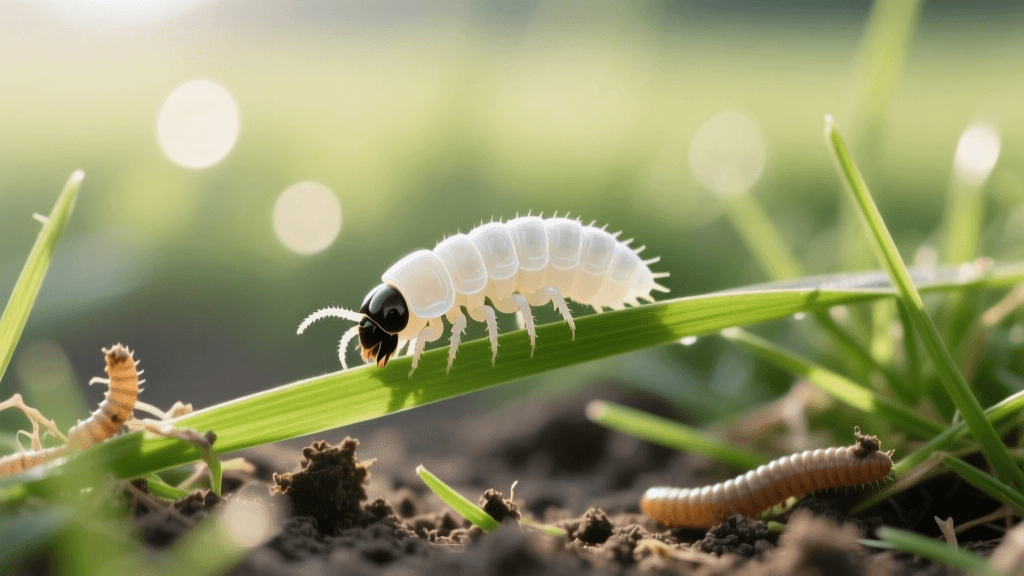
When homeowners think of lawn pests, they often picture insects chewing on grass blades. However, one of the most destructive threats to turf health operates entirely out of sight. White grubs—the larval stage of beetles such as Japanese beetles, June bugs, and European chafers—feed voraciously on the root systems of your lawn. From a seasonal maintenance perspective, grub control is not just about eliminating a nuisance; it is a critical component of preserving your lawn's structural integrity, drought tolerance, and overall vigor.
As grubs sever the roots just below the soil surface, the turf loses its ability to uptake water and essential nutrients. This results in irregular brown patches that feel spongy underfoot and can be rolled back like a carpet. Furthermore, a severe grub infestation often invites secondary damage. Foraging animals like skunks, raccoons, and crows will tear up large sections of healthy topsoil to feast on the protein-rich larvae, causing thousands of dollars in landscape restoration costs.
Understanding the White Grub Life Cycle
Effective Integrated Pest Management (IPM) relies heavily on understanding the pest's life cycle. Timing your seasonal lawn care interventions to coincide with the grub's most vulnerable stages is the difference between a thriving lawn and a dead one.
- Spring (April - May): Overwintered grubs move up to the root zone to feed briefly before pupating into adult beetles.
- Early Summer (June - July): Adult beetles emerge, mate, and lay eggs in the top few inches of soil.
- Late Summer (August - September): Eggs hatch into young, ravenous larvae. This is when the most severe root pruning occurs.
- Fall to Winter (October - March): Mature grubs burrow deep below the frost line to overwinter, entering a dormant state.
Spring Maintenance: Assessment and Early Prep
Spring is the season for damage assessment and lawn recovery. If you notice localized brown patches early in the season, perform the "tug test." Grab a handful of grass at the edge of the damaged area and pull gently. If the turf lifts away easily with no root resistance, you likely have a grub problem or secondary animal damage.
If active grubs are found near the surface in early spring, a curative treatment containing Trichlorfon (commonly sold as Dylox or Bayer 24-Hour Grub Killer) can be applied. However, spring treatments are generally less effective than summer preventatives because the grubs are mature, nearing pupation, and feeding less aggressively. Focus your spring efforts on lawn health: core aeration, overseeding bare patches, and applying a high-phosphorus starter fertilizer to encourage rapid root regeneration.
Summer Strategy: Preventative Grub Control
Summer is the most critical window for seasonal grub control. Preventative treatments target the young, newly hatched larvae before they can cause significant root damage. The two most effective active ingredients for residential and commercial lawn care are Imidacloprid (e.g., Merit, BioAdvanced) and Chlorantraniliprole (e.g., Scotts GrubEx, Acelepryn).
Timing is everything. According to university extension guidelines, preventative products should be applied between mid-June and late July, depending on your local hardiness zone and beetle flight activity. Chlorantraniliprole is highly regarded in IPM circles because it is exceptionally safe for pollinators and beneficial insects when applied correctly, and it offers a long residual window.
The Crucial Step: Watering In
Applying the granular product is only half the battle. You must water the lawn immediately after application with 0.25 to 0.5 inches of water. This moves the active ingredient off the grass blades and down into the top two inches of soil where the eggs are hatching. Failure to water in the product will result in UV degradation and complete treatment failure.
Fall Rescue: Curative Treatments
If you missed the summer preventative window and begin seeing turf rolling up in September or October, you must switch to a fast-acting curative approach. Trichlorfon is the gold standard for fall rescue. It penetrates the soil quickly and kills active grubs within 24 to 48 hours. Be aware that Trichlorfon has a short residual life (breaking down in about a week) and can be harsh on earthworms, so it should only be used as a targeted rescue treatment rather than a blanket preventative.
Seasonal Grub Control Calendar
Use the following chart to plan your annual pest control budget and maintenance schedule.
| Season | Grub Stage | Treatment Type | Active Ingredient | Est. Cost per 1,000 sq ft |
|---|---|---|---|---|
| Spring | Mature / Pupae | Curative / Rescue | Trichlorfon | $12.00 - $15.00 |
| Early Summer | Eggs / Young Larvae | Preventative | Chlorantraniliprole | $10.00 - $14.00 |
| Late Summer | Young Larvae | Preventative | Imidacloprid | $9.00 - $13.00 |
| Fall | Mature Larvae | Curative / Rescue | Trichlorfon | $12.00 - $15.00 |
| Late Summer | Young Larvae | Organic / Biological | Hb Nematodes | $25.00 - $40.00 |
Organic Alternatives and Biological Control
For homeowners prioritizing organic lawn care and soil biology, beneficial nematodes are an outstanding seasonal tool. Specifically, the Heterorhabditis bacteriophora (Hb) strain actively hunts and parasitizes white grubs. To use nematodes effectively, apply them in late summer when young grubs are active. The soil temperature must be above 60°F, and the lawn must be kept consistently moist for at least a week post-application to ensure the nematodes survive and penetrate the soil.
Another biological option is Milky Spore (Paenibacillus popilliae). While heavily marketed, it is important to note that Milky Spore only targets Japanese beetle grubs and can take two to three years to establish a viable spore count in the soil. It is a long-term health investment rather than a quick seasonal fix.
Cultural Practices for Long-Term Lawn Health
Pest control is deeply intertwined with cultural lawn maintenance. Adult female beetles prefer to lay their eggs in short, moist turf. By adjusting your seasonal mowing and watering habits, you can make your lawn inherently hostile to grub establishment.
- Mow High: Keep your mower deck set to 3.5 or 4 inches during the summer months. Taller grass shades the soil, retaining moisture deeper down while making the surface less attractive to egg-laying beetles.
- Deep, Infrequent Watering: Avoid daily light sprinklings. Water your lawn deeply 1 to 2 times a week to encourage roots to grow 4 to 6 inches deep. A deep root system can easily tolerate the loss of a few roots to minor grub feeding without showing surface stress.
- Soil Testing: Maintain a soil pH between 6.0 and 7.0. Healthy, balanced soil promotes dense turf that naturally outcompetes weeds and recovers faster from pest pressure.
"A healthy, well-maintained lawn can often tolerate up to 5 to 10 white grubs per square foot without showing visible damage. Treatment is only economically justified when grub populations exceed this threshold and root loss compromises the turf's ability to survive environmental stress."
— Penn State Extension, Department of Entomology
Conclusion: A Year-Round Commitment
Effective grub control is not a one-and-done application; it is a year-round commitment to seasonal maintenance and lawn health. By combining summer preventative treatments with proper mowing heights, deep watering practices, and targeted fall curatives when necessary, you protect your lawn's root zone and ensure a thick, vibrant turf that can withstand the hidden threats beneath the soil.