Pest Control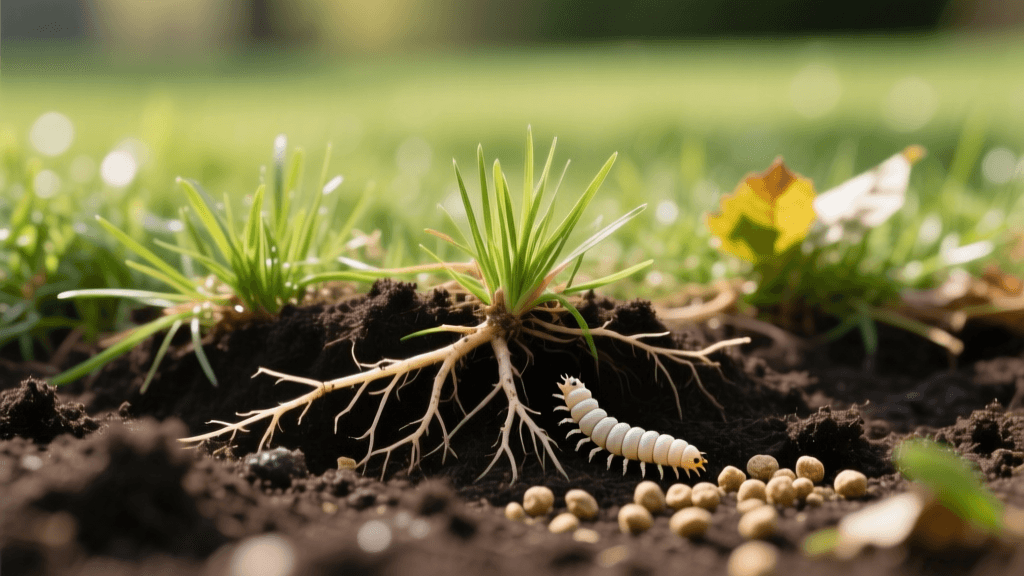
Seasonal Grub Control: Protecting Your Lawn Root Health
Understanding the White Grub Threat to Turf Health
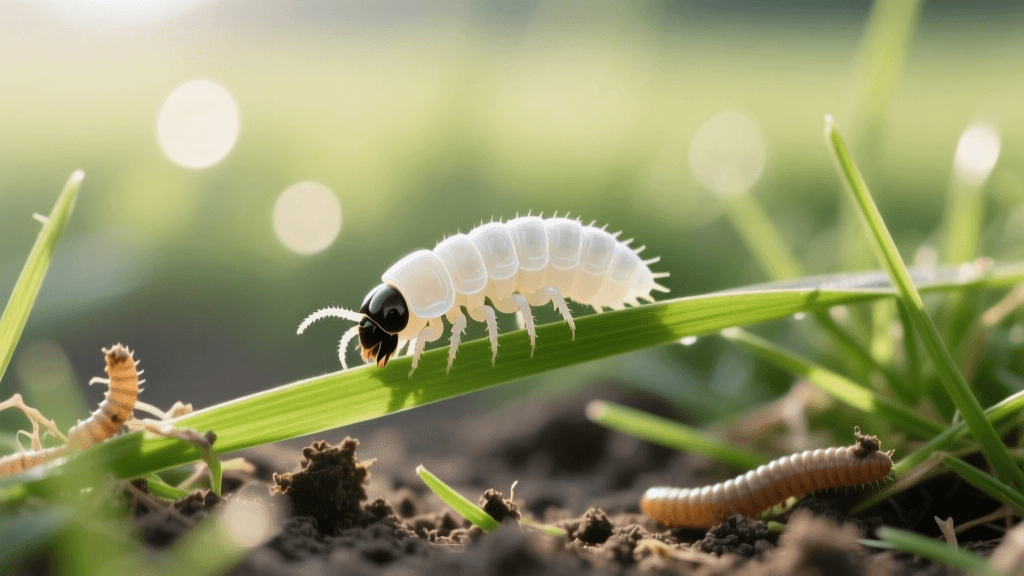
White grubs are the larval stage of various scarab beetles, including Japanese beetles, June bugs, European chafers, and Oriental beetles. These C-shaped, cream-colored larvae live just beneath the soil surface, feeding aggressively on the root systems of turfgrass. From a seasonal maintenance perspective, grubs represent one of the most significant threats to lawn health. By severing the roots, grubs cut off the plant's ability to absorb water and nutrients, leading to severe drought stress, wilting, and eventually, turf death.
Furthermore, a grub infestation often triggers secondary damage. Wildlife such as skunks, raccoons, armadillos, and flocks of crows or starlings will tear up your lawn to feast on the protein-rich larvae. This animal digging can cause more structural damage to the turf than the grubs themselves, turning a pristine lawn into a patchwork of uprooted soil and dead grass overnight.
Identifying Grub Damage vs. Drought Stress
Because grub damage typically manifests in late summer and early fall, it is frequently misdiagnosed as drought stress or fungal disease. Both issues cause irregular brown patches. However, turf damaged by grubs will feel spongy underfoot and can be rolled back like a loose carpet due to the lack of anchoring roots. If you can easily pull up handfuls of brown grass with no root resistance, grubs are likely the culprit. Inspect the top two to three inches of soil at the edge of the damaged area, where the green grass meets the brown, to spot the active larvae.
The Seasonal Life Cycle of Lawn Grubs
Effective Integrated Pest Management (IPM) relies on understanding the enemy's life cycle. Most scarab beetles share a similar annual cycle, though timing varies slightly by region and species.
| Season | Grub Life Stage | Turf Damage Level | Recommended Action Plan |
|---|---|---|---|
| Spring (April - May) | Overwintering larvae migrate upward to feed briefly before pupating. | Low to Moderate (mostly mature 3rd instar grubs) | Monitor for animal digging; apply biological controls like nematodes if populations are high. |
| Early Summer (June - July) | Adult beetles emerge, mate, and lay eggs in the soil. Eggs hatch into 1st instar grubs. | None | Apply preventive chemical controls (Chlorantraniliprole or Imidacloprid) to target hatching eggs. |
| Late Summer (August - September) | Grubs molt into 2nd and 3rd instars, feeding voraciously on roots. | Severe (Peak damage occurs here) | Scout turf. Apply fast-acting curative treatments (Trichlorfon) if thresholds are exceeded. |
| Fall to Winter (October - March) | Grubs migrate deep into the soil profile to overwinter below the frost line. | None (Turf goes dormant) | Focus on fall lawn aeration, overseeding, and root-building fertilization to recover damaged areas. |
Scouting and Action Thresholds
Not every grub requires chemical intervention. A robust, deeply rooted lawn can tolerate a certain number of grubs without showing visible stress. According to turfgrass experts at Penn State Extension, a healthy lawn can generally tolerate up to 5 to 10 grubs per square foot without requiring treatment. Highly maintained lawns with shallow root systems or those under severe drought stress may show damage at lower thresholds.
The Scouting Method: Use a flat-edged spade to cut three sides of a 12-inch by 12-inch square of turf. Peel the sod back like a hinge and count the grubs exposed in the top three inches of soil and the root zone. If you average more than 8 to 10 grubs per square foot across multiple test sites, treatment is warranted to protect the turf's root health.
Preventive Grub Controls: Timing is Everything
Preventive treatments are the cornerstone of seasonal lawn health maintenance. These products must be applied before the grubs hatch and begin feeding, allowing the active ingredient to translocate into the root zone.
Chlorantraniliprole (e.g., Scotts GrubEx, Acelepryn)
This is the gold standard for preventive grub control. It is highly effective against all major white grub species and has an excellent environmental safety profile, posing minimal risk to pollinators and earthworms. Apply between April and early June. The product has a long residual effect, protecting the lawn well into the fall. Cost is typically around $35 to $45 for a bag covering 5,000 square feet. Water the lawn with 0.5 inches of irrigation immediately after application to move the chemical into the soil.
Neonicotinoids: Imidacloprid and Clothianidin (e.g., Bayer Advanced Grub Killer)
These systemic insecticides are also highly effective but have a shorter residual window than Chlorantraniliprole. They should be applied slightly later, typically from mid-June to late July, just before peak egg hatch. Because neonicotinoids can be toxic to pollinators, ensure your lawn is completely free of flowering weeds (like clover) before application, or mow the lawn immediately prior to treatment to remove any blooms.
Curative Grub Controls: Stopping Active Damage
If you missed the preventive window and discover active grub damage in late August or September, you must switch to a curative approach. Curative products are contact insecticides designed to kill large, actively feeding 3rd-instar grubs quickly.
Trichlorfon (e.g., Dylox)
Trichlorfon is the most reliable curative treatment. It provides a rapid "knockdown" effect, killing grubs within 24 to 48 hours of contact. However, it has a very short residual life in the soil (often breaking down within 5 to 7 days, especially in alkaline soils with a high pH). Apply Dylox at a rate of 1.5 to 3 lbs per 1,000 square feet, and water it in heavily to wash the granules off the grass blades and into the root zone where the grubs are feeding. Cost averages $25 to $35 per bag.
Organic and Biological Grub Management
For homeowners dedicated to organic lawn care, biological controls offer a sustainable way to manage grub populations while preserving soil microbiology.
Beneficial Nematodes (Heterorhabditis bacteriophora)
These microscopic, unsegmented worms naturally occur in soil but can be applied in high concentrations to hunt down grubs. The Hb strain is the most effective against scarab beetle larvae. Nematodes enter the grub's body and release a symbiotic bacteria that kills the host within 48 hours.
- Timing: Apply in late summer (August) when grubs are young and soil temperatures are consistently above 60°F.
- Application: Mix with water and apply using a hose-end sprayer in the early morning or late evening to avoid UV degradation.
- Maintenance: The soil must remain moist for at least two weeks post-application to keep the nematodes alive.
- Cost: Approximately $40 to $60 per million nematodes, enough to treat roughly 3,000 square feet.
Milky Spore (Paenibacillus popilliae)
Milky Spore is a naturally occurring bacterium that specifically targets Japanese beetle grubs. When ingested, the spores multiply inside the grub, eventually killing it and releasing billions of new spores into the soil. While it can take 2 to 3 years to build up in the soil to effective levels, a single application can provide control for up to 15 years. Note that Milky Spore is ineffective against European chafer or June bug grubs.
Cultural Practices for Grub-Resistant Lawns
Chemical and biological controls are only part of the IPM equation. Adjusting your seasonal maintenance routines can make your lawn inherently less attractive to egg-laying beetles and more resilient to root feeding.
- Proper Mowing Height: Keep your turf tall. Mowing at 3 to 4 inches encourages deeper, more extensive root systems. A massive root network can sustain minor grub feeding without showing surface damage. Additionally, tall grass shades the soil, making it less hospitable to adult beetles seeking warm, bare soil to lay eggs.
- Deep, Infrequent Watering: Watering deeply (1 to 1.5 inches per week) but infrequently forces roots to grow downward in search of moisture. Shallow, daily watering keeps roots near the surface, exactly where grubs feed. Furthermore, letting the lawn dry out slightly in late July can desiccate newly hatched grub eggs, naturally reducing populations.
- Nitrogen Management: Avoid heavy applications of quick-release nitrogen in late spring. Lush, rapid growth and high nitrogen levels in the turf canopy attract egg-laying female Japanese beetles and European chafers. Shift your heaviest fertilization to the fall when grub pressure has passed and the turf needs to rebuild root mass.
Conclusion
Protecting your lawn's root health from white grubs requires a proactive, seasonal approach. By understanding the life cycle of scarab beetles, scouting accurately, and choosing the right preventive or curative treatments at the precise time of year, you can maintain a dense, vibrant turf. Combine these targeted treatments with robust cultural practices, and your lawn will develop the deep-rooted resilience needed to withstand pest pressures year after year.