Gardening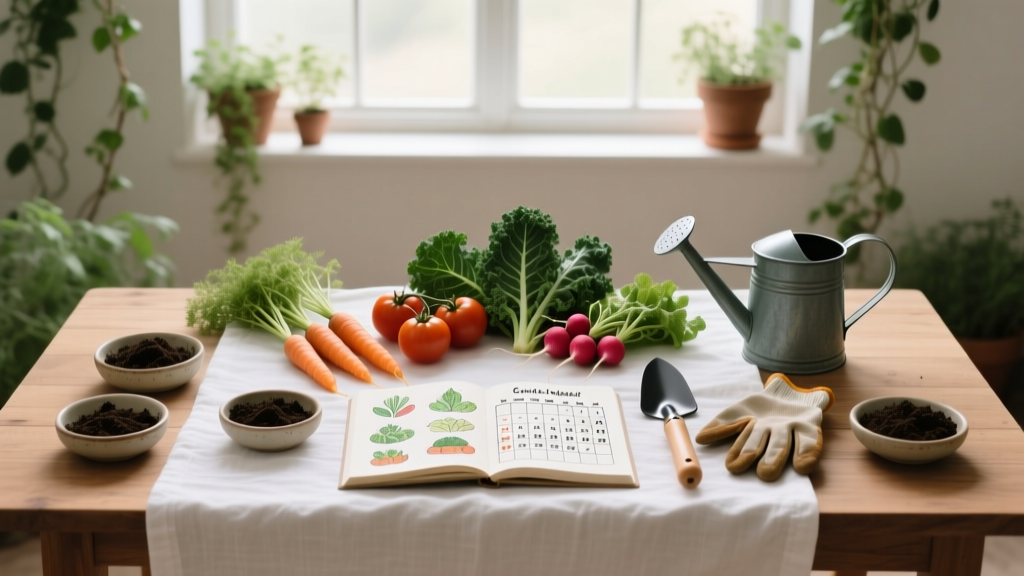
A Complete Seasonal Vegetable Garden Care Checklist
Emily WatsonPublished
The Ultimate Seasonal Vegetable Garden Care Checklist
A thriving vegetable garden does not happen by accident; it is the result of careful planning, consistent maintenance, and strict adherence to a seasonal schedule. Whether you are growing a small patio container garden or managing a large backyard raised bed system, timing is everything. From soil preparation and seed starting to pest management and winterizing, every season demands specific tasks to ensure a bountiful harvest. This comprehensive checklist and schedule will guide you through the essential monthly and seasonal tasks required to keep your vegetable garden productive year-round.
Spring: Soil Preparation and Planting
Spring is the foundation of your entire gardening year. The focus during these critical months is on soil health, seed starting, and transitioning tender seedlings to the outdoors.
Early Spring (4-6 Weeks Before Last Frost)
- Soil Testing: Before adding any amendments, test your soil pH and nutrient levels. According to the University of Minnesota Extension, a standard soil test will reveal exactly what your garden lacks, preventing the over-application of fertilizers that can harm plant roots and local waterways.
- Amend the Soil: Based on your soil test results, incorporate 2 to 3 inches of high-quality organic compost into the top 6 inches of your garden beds. This improves drainage, increases water retention, and introduces beneficial microbes.
- Start Seeds Indoors: Sow long-season crops like tomatoes, peppers, and eggplants indoors 6 to 8 weeks before your last expected frost date. Use a sterile seed-starting mix, such as Miracle-Gro Seed Starting Mix, and provide 14-16 hours of light daily using LED grow lights to prevent leggy seedlings.
Mid to Late Spring (2 Weeks Before to 2 Weeks After Last Frost)
- Harden Off Seedlings: Gradually acclimate indoor seedlings to outdoor conditions over 7 to 10 days. Start with 2 hours of dappled shade and slowly increase sun exposure and wind contact.
- Direct Sow Cool-Season Crops: Plant peas, radishes, spinach, and carrots directly into the garden as soon as the soil temperature reaches 45°F to 50°F.
- Transplant Warm-Season Crops: Once nighttime temperatures consistently stay above 50°F, transplant tomatoes, peppers, and squash. Bury tomato stems deeply to encourage a robust secondary root system.
- Apply Pre-Emergent Mulch: After the soil has warmed, apply a 2-inch layer of organic straw or shredded leaves around transplants to suppress early weeds and retain moisture.
Summer: Maintenance, Hydration, and Harvest
Summer is the peak growing season. Your schedule shifts from planting to intense maintenance, focusing on water management, pest control, and continuous harvesting.
Early Summer
- Establish a Watering Schedule: Vegetables require 1 to 1.5 inches of water per week. Water deeply at the base of the plants in the early morning using soaker hoses or drip irrigation to keep foliage dry and prevent fungal diseases like powdery mildew.
- Side-Dress Heavy Feeders: When tomatoes and corn begin to flower or set fruit, side-dress them with an organic granular fertilizer like Espoma Garden-tone (4-6-6) or a top-dressing of rich compost to sustain fruit production.
- Scout for Pests: Inspect the undersides of leaves weekly for aphids, hornworms, and squash vine borers. Use organic treatments like Neem Oil for soft-bodied insects and Bacillus thuringiensis (Bt) for caterpillars.
Mid to Late Summer
- Prune and Trellis: Remove the lower suckers on indeterminate tomato varieties to improve airflow and direct the plant's energy into fruit production. Secure heavy vines to trellises using soft plant ties.
- Succession Planting: As early crops like radishes and spring lettuce bolt and finish, pull them out and immediately sow a second round of bush beans, cucumbers, or fast-maturing carrots for a late-summer harvest.
- Harvest Frequently: Pick zucchini, cucumbers, and beans every 1 to 2 days. Overripe vegetables signal the plant to stop producing new flowers and fruit.
Fall: Cool-Season Crops and Garden Put-to-Bed
Autumn is a transitional period. While you are still harvesting late-summer crops, you must simultaneously prepare the garden for winter dormancy and plant for the following year.
Early Fall
- Plant Garlic and Alliums: Plant hardneck garlic cloves 2 inches deep and 6 inches apart, about 4 to 6 weeks before the ground freezes. Mulch heavily with 4 inches of straw to protect against freeze-thaw cycles.
- Sow Cover Crops: To protect bare soil from erosion and naturally replenish nitrogen, sow cover crops like crimson clover or winter rye. The Penn State Extension highly recommends cover crops for vegetable gardens, noting that they act as a 'green manure' that can be tilled into the soil in the spring to boost organic matter.
- Plant Cool-Weather Greens: Sow spinach, kale, and mache in cold frames or under row covers for continuous harvesting well into early winter.
Late Fall
- Garden Cleanup: Remove all diseased plant debris (such as leaves with early blight or powdery mildew) and dispose of it in the trash. Do not compost diseased material, as home compost piles rarely reach the 140°F required to kill pathogens.
- Compost Healthy Debris: Chop up healthy spent vines, leaves, and non-woody stalks and add them to your compost bin. The Environmental Protection Agency (EPA) emphasizes that balancing 'browns' (dry leaves, twigs) and 'greens' (vegetable scraps, fresh clippings) is essential for creating nutrient-dense compost safely at home.
- Winterize Irrigation: Drain all garden hoses, soaker lines, and rain barrels. Store them indoors to prevent cracking from freezing water expansion.
Winter: Planning and Tool Maintenance
While the garden sleeps, the gardener prepares. Winter is the time for reflection, education, and equipment maintenance.
- Tool Maintenance: Clean all hand tools with a wire brush and soapy water. Sharpen pruners, hoes, and spades using a diamond file. Rub wooden handles with boiled linseed oil to prevent drying and splintering, and coat metal blades with a light layer of mineral oil to prevent rust.
- Seed Inventory and Ordering: Test the viability of leftover seeds by placing 10 seeds in a damp paper towel inside a plastic bag. If fewer than 7 germinate after a week, order fresh seeds. Browse seed catalogs and map out your crop rotation plan to avoid planting the same family of vegetables in the same bed two years in a row.
- Build and Repair Structures: Use the downtime to construct new raised beds, repair trellises, and build cold frames for the upcoming spring.
Seasonal Garden Task and Watering Schedule
Use the table below as a quick-reference guide to keep your garden tasks and watering schedules aligned with the changing seasons.
| Season | Primary Focus | Watering Needs | Key Action Items |
|---|---|---|---|
| Spring | Soil Prep & Planting | Moderate (Keep seedbeds moist) | Soil testing, compost application, seed starting, hardening off. |
| Summer | Maintenance & Harvest | High (1 to 1.5 inches per week) | Deep morning watering, mulching, side-dressing, pest scouting. |
| Fall | Cleanup & Transition | Low to Moderate (Taper off) | Garlic planting, cover crop sowing, removing diseased debris. |
| Winter | Planning & Maintenance | None (Dormant season) | Tool sharpening, seed ordering, crop rotation mapping. |
Essential Tools for Keeping Your Schedule
To execute this checklist effectively, you need the right equipment. Invest in a high-quality soil moisture meter to take the guesswork out of summer watering. A reliable soil thermometer is crucial in spring to ensure the ground is warm enough for direct sowing. Finally, keep a dedicated garden journal to record your frost dates, planting schedules, and harvest yields. This historical data will allow you to fine-tune your personalized garden care checklist year after year, ensuring your vegetable patch becomes more productive with every passing season.
