Pest Control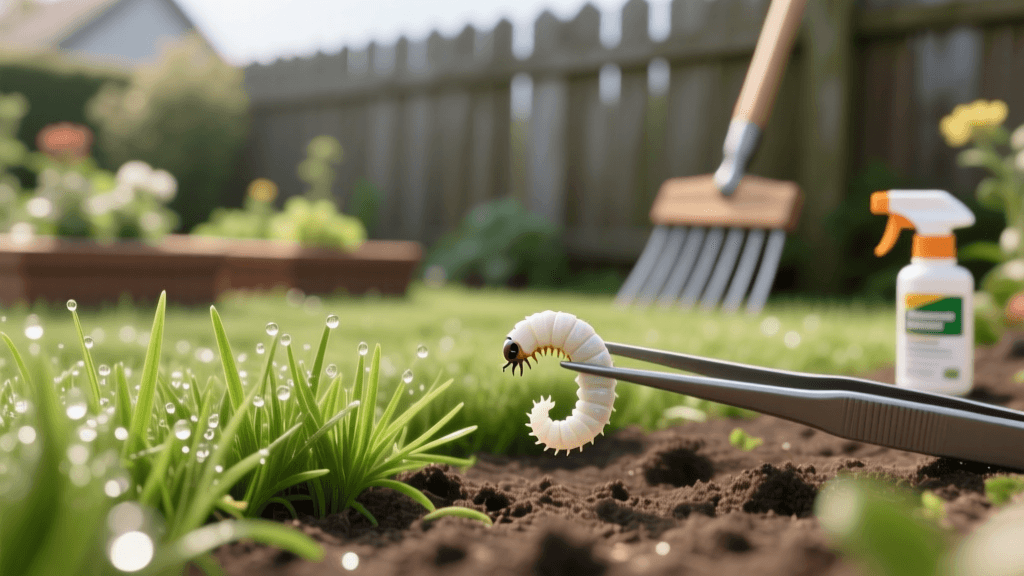
Seasonal White Grub Control: Protect Lawns Year-Round
The Hidden Threat Beneath Your Turf
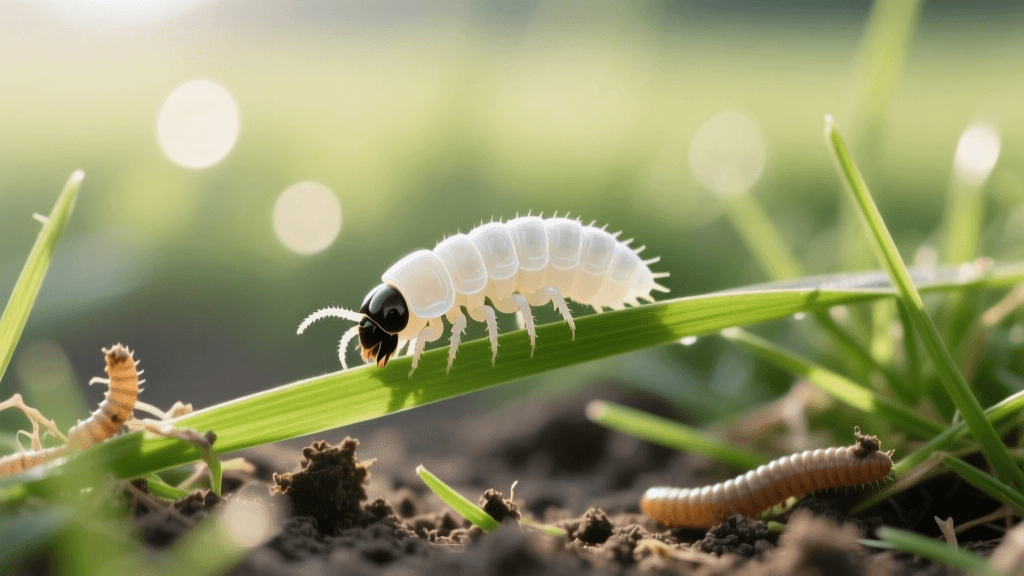
Maintaining a lush, vibrant lawn requires more than just regular mowing and fertilization; it demands a proactive approach to pest management. Among the most destructive pests lurking beneath the soil surface are white grubs—the larval stage of various scarab beetles, including Japanese beetles, June bugs, and European chafers. These C-shaped, creamy-white larvae feed voraciously on grassroots, severing the turf from its nutrient and water supply. When left unchecked, a grub infestation can decimate thousands of square feet of lawn in a matter of weeks. Furthermore, the damage is often compounded by secondary pests like skunks, raccoons, and crows, which tear up the dying turf in search of the protein-rich larvae. To maintain optimal lawn health, homeowners must adopt an Integrated Pest Management (IPM) approach that aligns grub control strategies with the natural rhythms of the seasons.
Identifying Grub Damage and Pest Presence
Before applying any chemical or biological treatments, accurate identification is crucial. Grub damage typically manifests as irregular, brown patches of turf that feel spongy underfoot. Because the roots have been severed, the dying grass can be rolled back like a piece of loose carpet. However, drought stress and fungal diseases can cause similar browning, making physical inspection mandatory.
The Tug Test and Shovel Inspection
To confirm a grub infestation, perform a simple shovel inspection. Using a flat spade, cut a one-foot by one-foot square of turf about three inches deep and peel it back. Count the number of grubs present in the soil and root zone. According to turfgrass entomologists, a healthy lawn can tolerate a low population of grubs without showing damage. However, if you find more than 10 to 12 grubs per square foot, intervention is necessary to preserve lawn health.
The Seasonal Grub Life Cycle
Understanding the life cycle of the white grub is the cornerstone of seasonal maintenance. Adult beetles emerge in early summer, mate, and lay eggs in the soil. By late summer, these eggs hatch into young, aggressively feeding larvae. As temperatures drop in late fall, the grubs burrow deep below the frost line to overwinter. In the spring, they migrate back to the surface to feed briefly before pupating into adults, restarting the cycle. Timing your treatments to target the most vulnerable stages of this life cycle is essential for effective, economical, and environmentally responsible pest control.
Seasonal Grub Control Strategy Matrix
Aligning your lawn care calendar with the grub life cycle ensures maximum efficacy. Below is a structured seasonal guide for monitoring and treatment.
| Season | Grub Stage | Primary Action | Recommended Treatment Type |
|---|---|---|---|
| Spring | Overwintered 3rd Instar | Assess damage, repair turf, apply biologicals | Beneficial Nematodes, Milky Spore |
| Early Summer | Eggs / 1st Instar | Preventive application | Chlorantraniliprole, Imidacloprid |
| Late Summer / Fall | 2nd / 3rd Instar (Feeding) | Curative rescue treatment | Trichlorfon (Dylox) |
| Winter | Dormant (Deep Soil) | Soil health prep, planning | None (Focus on aeration/fertilization) |
Spring: Assessment, Repair, and Biological Warfare
Spring is primarily a season of assessment and recovery. The grubs present in your lawn during April and May are large, mature larvae that have survived the winter. They will feed for only a few weeks before pupating, meaning chemical control is rarely cost-effective or environmentally justified at this time. Instead, focus on repairing the damage caused the previous fall. Rake out dead grass, loosen the soil, and overseed with a resilient turfgrass blend. Water the newly seeded areas consistently to promote deep root growth.
Spring is also the ideal window to introduce long-term biological controls. Milky Spore (Paenibacillus popilliae) is a naturally occurring bacterium that specifically targets Japanese beetle grubs. While it can take two to three years to fully establish in the soil, a single application can provide protection for a decade or more. Apply Milky Spore at a rate of 1 teaspoon per 4 square feet in a grid pattern across the lawn, and water it in immediately.
Early Summer: The Preventive Window
The most critical window for grub control occurs between mid-June and early August. During this period, adult beetles are laying eggs that will hatch into tiny, highly susceptible first-instar grubs. Applying a preventive insecticide during this window protects the lawn throughout the peak feeding season of late summer and early fall.
Top Preventive Active Ingredients
- Chlorantraniliprole (e.g., Scotts GrubEx): This is the gold standard for preventive grub control. It is highly effective, safe for pollinators when applied correctly, and has a long residual effect in the soil. For optimal results, apply between April and June. The standard application rate is approximately 3.2 lbs per 1,000 square feet. A 10 lb bag typically costs around $25 and covers up to 3,000 square feet.
- Imidacloprid (e.g., Bayer Advanced Season Long Grub Control): A neonicotinoid that works systemically. It must be applied slightly later than Chlorantraniliprole, ideally in late June or July, just before or as eggs are hatching. It is highly effective but carries a higher risk to non-target insects, so strict adherence to label instructions regarding blooming weeds is mandatory.
Pro Tip: Preventive granules must be watered into the soil with at least 0.5 inches of irrigation or rainfall to activate the chemical and move it into the root zone where the grubs feed.
Late Summer and Fall: Curative Rescue Treatments
If you missed the preventive window in early summer, or if an unexpected grub migration occurs, you may notice severe lawn damage in late August or September. At this stage, the grubs are large and causing rapid root destruction. Preventive chemicals will no longer work; you need a fast-acting curative insecticide.
Trichlorfon (commonly sold under the brand name Dylox) is the industry standard for curative grub control. It acts quickly, typically killing active grubs within 24 to 48 hours of contact. However, it degrades rapidly in the soil (often within a week), meaning it offers no long-term residual protection. Apply Trichlorfon at the label-specified rate for active infestations, usually around 3 lbs per 1,000 square feet, and water it in heavily. Because Dylox degrades quickly in high-pH (alkaline) soils, it is most effective in lawns with a slightly acidic to neutral pH (6.0 to 7.0).
Organic and Biological Control Methods
For homeowners committed to organic lawn care, beneficial nematodes offer a powerful, chemical-free alternative to synthetic insecticides. Specifically, the Heterorhabditis bacteriophora (Hb) strain is a microscopic worm that actively hunts down and infects white grubs, releasing bacteria that kill the pest within 48 hours.
Nematodes are living organisms and require careful handling. They must be kept refrigerated until application and applied during the late summer when young grubs are present. Mix the nematodes with water and apply using a hose-end sprayer or backpack sprayer in the early evening or on a cloudy day, as UV light will kill them. Application rates generally require 1 billion nematodes per acre (roughly 25,000 per square foot). While more expensive than synthetic chemicals—often costing $40 to $60 per treatment—nematodes are entirely safe for pets, children, and beneficial earthworms.
Expert Insights: Michigan State University Guidelines
When formulating a seasonal grub control strategy, it is wise to rely on peer-reviewed research from leading agricultural institutions. Michigan State University (MSU) Extension provides some of the most respected turfgrass management guidelines in the country.
'Preventive compounds such as clothianidin, thiamethoxam, or imidacloprid should be applied in June or July. Chlorantraniliprole should be applied in April or May. Applying these products too early in the spring or too late in the fall will result in poor control because the active ingredient will degrade before the grubs are present.' - Dr. David Smitley, Professor Emeritus of Entomology, Michigan State University Extension.
MSU experts also emphasize that routine, calendar-based spraying is an outdated practice. True IPM relies on monitoring. If a lawn is healthy, deeply rooted, and well-irrigated, it can often withstand grub populations that would destroy a stressed, shallow-rooted lawn. Therefore, seasonal maintenance tasks like core aeration, proper mowing heights (3 to 4 inches), and deep, infrequent watering are your first and best lines of defense against pest damage.
Winter: Dormancy and Soil Health Preparation
During the winter months, grubs are safely dormant deep beneath the frost line, rendering all treatments useless. However, winter is the perfect time to plan for the upcoming year's IPM strategy. Review your notes from the fall inspection: Which areas of the lawn suffered the most? Were the grubs concentrated in full sun or shaded areas? Use this data to map out targeted treatment zones for the following June, saving money and reducing chemical load by avoiding blanket applications over the entire property.
Conclusion: Integrating Grub Control into Lawn Health
Effective white grub control is not a one-and-done event; it is a year-round commitment to seasonal lawn health. By understanding the grub life cycle, accurately monitoring your turf, and timing your preventive and curative treatments correctly, you can protect your lawn from devastating root loss. Whether you choose long-lasting synthetic preventives like Chlorantraniliprole or opt for organic biological controls like beneficial nematodes, integrating these seasonal strategies into your broader lawn care regimen will ensure your turf remains thick, resilient, and vibrant through every season.