Gardening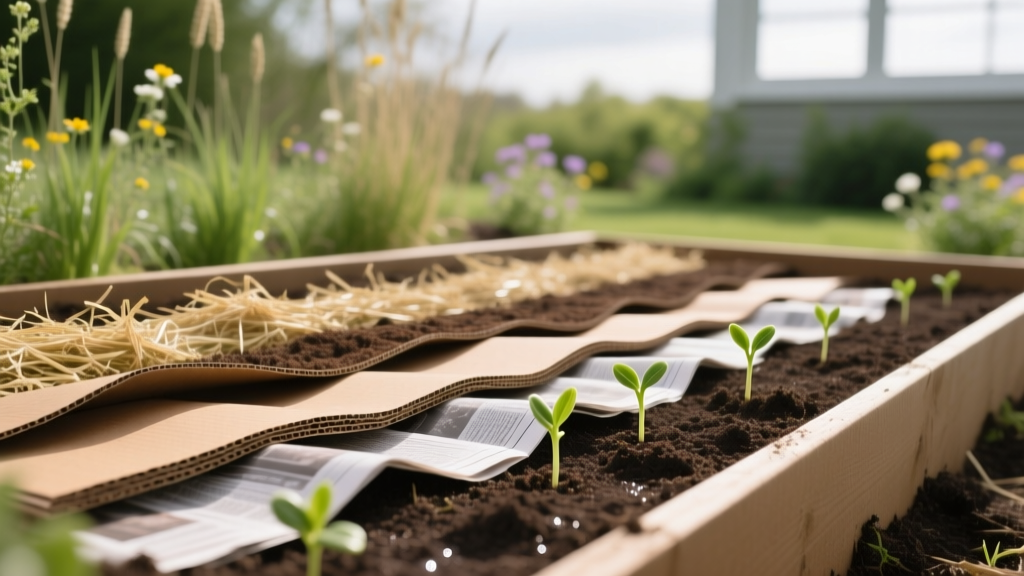
Sheet Mulching: The Eco-Friendly No-Till Gardening Guide
Emily WatsonPublished
The Ecological Cost of Traditional Tilling
For decades, the rototiller has been a staple of spring garden preparation. Homeowners and gardeners alike have relied on mechanical churning to break up compacted earth and incorporate amendments. However, from an eco-friendly and sustainable perspective, tilling is highly destructive to the complex soil food web. When you aggressively turn the soil, you expose thousands of dormant weed seeds to sunlight, triggering massive, season-long germination cycles that require endless weeding or chemical herbicides.
More importantly, tilling severs the delicate, microscopic networks of mycorrhizal fungi. These fungi act as a vital extension of your plants' root systems, helping them uptake water and essential nutrients like phosphorus. According to the Rodale Institute, conventional tillage accelerates the decomposition of organic matter by introducing excess oxygen, which releases stored carbon dioxide into the atmosphere and degrades long-term soil structure. To build a truly sustainable garden, we must look to nature, where soil is never tilled, but rather built from the top down through the slow decomposition of organic matter. This brings us to the ultimate eco-friendly soil preparation method: sheet mulching.
The Science of Sheet Mulching and No-Till Gardening
Sheet mulching, often referred to as "lasagna gardening," is a permaculture technique that mimics the natural accumulation of leaf litter on a forest floor. By layering carbon-rich and nitrogen-rich materials directly over existing grass or weeds, you create an environment that suppresses unwanted vegetation while simultaneously feeding soil microbes.
The USDA Natural Resources Conservation Service (NRCS) emphasizes that minimizing soil disturbance is one of the core principles of soil health. By avoiding the tiller and utilizing sheet mulching, you preserve the soil's natural capillary action, which drastically improves water infiltration and retention. Furthermore, the bottom layer of sheet mulching—typically corrugated cardboard—blocks sunlight, effectively smothering existing turf grass and weeds without the use of toxic, petroleum-based glyphosate herbicides. As earthworms and soil microbes pull the organic layers downward, they naturally aerate the soil, creating a rich, loamy humus that is perfect for deep root growth.
Step-by-Step Guide to Eco-Friendly Sheet Mulching
Building a no-till garden bed via sheet mulching is labor-intensive upfront but saves countless hours of weeding, watering, and fertilizing in the future. Here is your actionable, step-by-step guide to building a sustainable garden bed.
Step 1: Mow and Prepare the Base
Do not pull up the existing grass or weeds; their roots will decompose and add valuable organic matter and aeration channels to the subsoil. Mow the area as short as your lawnmower will allow. If you are dealing with particularly aggressive perennial weeds like bindweed or bermudagrass, lay down a double layer of cardboard later in the process.
Step 2: Lay the Weed Barrier (The Cardboard Layer)
Source plain, uncoated corrugated cardboard from local appliance stores or recycling centers. This diverts waste from landfills, making it a highly sustainable choice. Remove all plastic tape and staples. Lay the cardboard directly over the mowed grass, ensuring that every piece overlaps by at least 6 inches. This overlap is critical, as weeds will exploit even the smallest gaps to reach sunlight. Once laid out, thoroughly soak the cardboard with a hose for 15 to 20 minutes until it is completely saturated and conforms to the contours of the ground.
Step 3: Add the Nitrogen Layer (Compost)
Next, apply a 3 to 4-inch layer of high-quality, finished compost. This layer provides the immediate nutrients and beneficial microbes needed to jumpstart the decomposition of the cardboard below. Sourcing compost from local municipal facilities or certified organic farms reduces transportation emissions. Expect to spend roughly $30 to $50 per cubic yard for bulk delivery, which is a one-time investment that eliminates the need for synthetic fertilizers.
Step 4: Apply the Carbon Layer (Mulch)
Cap the bed with a 3 to 4-inch layer of organic mulch. This top layer protects the compost from UV degradation, prevents erosion during heavy rains, and locks in soil moisture. Water the entire bed deeply to settle the layers and initiate the microbial breakdown process.
Sustainable Mulch Material Comparison
Choosing the right top mulch is vital for the ecological balance of your garden. The Carbon-to-Nitrogen (C:N) ratio dictates how quickly the material breaks down and whether it will tie up nitrogen in the soil. Below is a comparison chart to help you select the best sustainable mulch for your specific gardening needs.
| Mulch Material | C:N Ratio | Breakdown Time | Best Application |
|---|---|---|---|
| Straw (Seed-Free) | 40:1 to 100:1 | 3-6 Months | Annual vegetable beds, pathways |
| Arborist Wood Chips | 400:1 | 1-3 Years | Perennial beds, fruit trees, paths |
| Shredded Autumn Leaves | 40:1 to 60:1 | 6-12 Months | General garden beds, flower borders |
| Grass Clippings (Dry) | 15:1 to 25:1 | 1-3 Months | Thin layers for nitrogen boost |
As noted by the Environmental Protection Agency (EPA), utilizing yard trimmings and leaves as mulch or compost is one of the most effective ways to reduce municipal solid waste. By raking your own leaves or asking local tree-trimming services to dump free arborist wood chips in your driveway, you can mulch an entire garden for virtually zero dollars while keeping organic waste out of landfills.
Timing Your No-Till Garden Preparation
The beauty of sheet mulching is its flexibility, but timing can optimize your results. The absolute best time to build a sheet-mulched bed is in the autumn. By laying your layers in October or November, the winter moisture and freeze-thaw cycles will break down the cardboard and compost, leaving you with a dark, earthy, and perfectly prepared planting bed by the following spring. Earthworms will have spent the winter migrating into the nutrient-rich layers, aerating the subsoil naturally.
If you must build a bed in the spring, you can still plant immediately. To do this, simply pull back the top layer of mulch, cut a small "X" into the wet cardboard, and dig a hole just large enough for your plant's root ball. Add a handful of compost into the planting hole, place your transplant, and pull the mulch back around the base of the plant. This method works exceptionally well for large transplants like tomatoes, peppers, and squash, though it is not ideal for direct-sowing tiny seeds like carrots or lettuce.
Troubleshooting Common Sheet Mulching Issues
While highly effective, eco-friendly gardening requires observation and adaptation. Here are a few common issues and their sustainable solutions:
- Weeds Pushing Through: If weeds breach the cardboard, it is usually due to insufficient overlap or using cardboard with large corrugated gaps. Pull the weeds immediately and patch the hole with a fresh scrap of wet cardboard and a handful of compost.
- Nitrogen Tie-Up: If your plants turn yellow and stunt their growth, it may be due to nitrogen tie-up. This happens when high-carbon materials like wood chips are mixed into the soil rather than left on top. Always keep wood chips strictly on the surface as a mulch layer.
- Slug and Snail Habitats: In exceptionally wet, humid climates, thick layers of leaf mulch can harbor slugs. If this is an issue, switch to a drier mulch material like straw or pine needles, and encourage natural predators like ground beetles and birds by adding a small birdbath or insect hotel nearby.
Conclusion: Cultivating a Regenerative Future
Transitioning to no-till, sheet-mulched garden beds is one of the most impactful choices a home gardener can make for the environment. By abandoning the rototiller, you sequester carbon, preserve vital fungal networks, conserve thousands of gallons of water through improved soil retention, and eliminate the need for synthetic fertilizers and herbicides. Sheet mulching transforms the act of garden preparation from a destructive chore into a regenerative practice that builds ecological resilience right in your own backyard. Whether you are growing a vibrant cut-flower garden or a highly productive vegetable patch, the lasagna method provides a fertile, sustainable foundation for years of abundant harvests.
