Gardening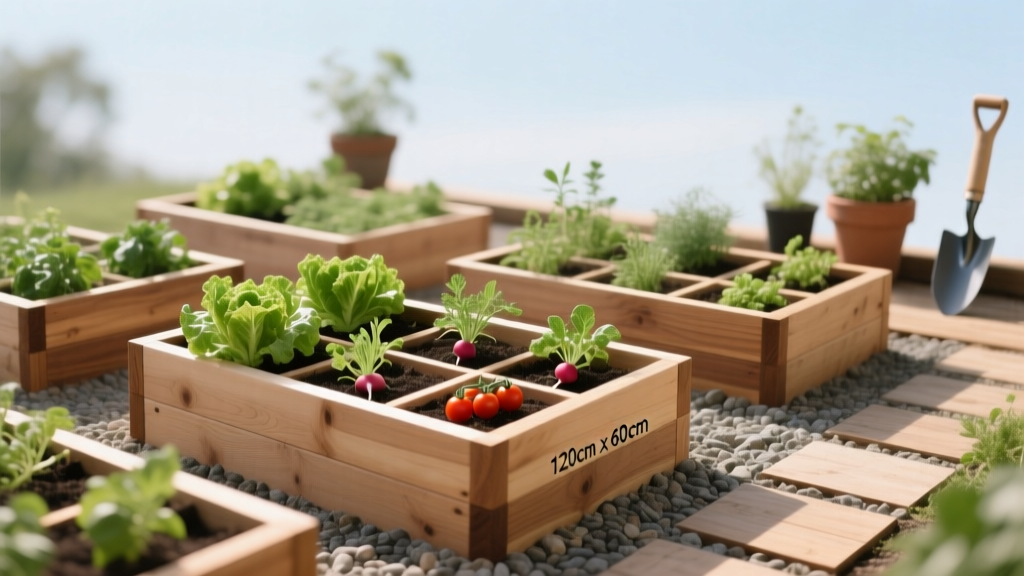
Small Space Raised Bed Garden Design and Layout Planning
Emily WatsonPublished
The Foundation of Small Space Garden Design
Designing a raised bed garden in a small space requires a delicate balance between aesthetic appeal, accessibility, and maximum agricultural yield. Unlike traditional row gardening, which demands expansive acreage, raised bed design utilizes intensive planting methods to transform compact urban backyards, patios, and narrow side-yards into highly productive micro-farms. According to The Old Farmer's Almanac, raised beds can yield up to four times more produce per square foot than conventional in-ground rows, primarily due to optimized soil structures and reduced pathway waste.
Before breaking ground or purchasing lumber, successful garden design begins with rigorous site planning. This involves mapping sunlight patterns, identifying water sources, and establishing a cohesive geometric layout that complements your existing landscape architecture. In this comprehensive planning guide, we will break down the exact measurements, material costs, and spatial configurations required to design a thriving small-space raised bed garden.
Strategic Dimensions and Pathway Planning
The physical footprint of your raised beds dictates both your ergonomic comfort and your planting capacity. When planning your layout, adhere to these critical dimensional rules:
- Width: Never exceed 4 feet in width. The average human arm can comfortably reach 2 feet into a bed. A 4-foot width ensures you can harvest, weed, and plant from either side without ever stepping on and compacting the soil.
- Length: While 8-foot beds are standard, smaller spaces may benefit from modular 4x4-foot or 2x8-foot configurations. Keep in mind that longer beds require cross-bracing to prevent the wood from bowing outward under the weight of wet soil.
- Depth: A minimum depth of 10 to 12 inches is sufficient for leafy greens and herbs. However, if you plan to cultivate deep-rooted crops like carrots, parsnips, or daikon radishes, design your beds to be at least 18 to 24 inches deep.
Pathway planning is equally crucial. For a standard small-space garden, pathways should be a minimum of 24 inches wide to allow for comfortable kneeling and crouching. If you require ADA accessibility or plan to navigate a standard wheelbarrow through the garden, expand your pathways to 36 or 48 inches. Cover pathways with arborist woodchips or crushed gravel to suppress weeds and improve drainage.
Material Selection: Budget and Longevity Comparison
The materials you choose will define the visual style of your garden and its structural lifespan. Below is a comparison chart of the most popular raised bed materials, factoring in current average market costs for a standard 4x8-foot bed kit or build.
| Material | Est. Cost (4x8 Bed) | Lifespan | Design Aesthetic & Notes |
|---|---|---|---|
| Untreated Cedar | $150 - $250 | 10 - 15 Years | Classic, natural wood grain. Weathers to a silvery gray. Naturally rot-resistant. |
| Galvanized Steel | $120 - $200 | 20+ Years | Modern, industrial farmhouse look. Heats up quickly in spring, extending the growing season. |
| Composite (Trex) | $300 - $450 | 25+ Years | Uniform, clean lines. Zero maintenance or splintering, but higher upfront investment. |
| Concrete Blocks | $80 - $120 | Lifetime | Utilitarian, modular. Can alter soil pH slightly over time. Holes can be planted with herbs. |
Soil Architecture and Volume Calculations
A well-designed bed is only as productive as the soil within it. The University of Minnesota Extension emphasizes that raised bed soil must be exceptionally well-draining yet moisture-retentive, as the elevated structure exposes the soil profile to increased evaporation and gravity-driven drainage.
To calculate the volume of soil required, use the formula: Length (ft) x Width (ft) x Depth (ft) = Cubic Feet. For a 4x8-foot bed that is 1 foot deep, you will need exactly 32 cubic feet of soil. A highly recommended, time-tested blueprint for small-space soil design is the modified "Mel's Mix" (based on Square Foot Gardening principles):
- 33% Coarse Vermiculite or Perlite: Ensures aeration and prevents soil compaction.
- 33% Peat Moss or Coconut Coir: Provides lightweight moisture retention. (Coir is increasingly preferred for its sustainability).
- 33% Blended Compost: Use at least three different types of compost (e.g., mushroom, cow manure, and homemade yard waste) to ensure a broad spectrum of micronutrients.
Layout Configurations for Maximum Yield
How you arrange your beds within the available footprint dramatically impacts your workflow and yield. Consider these three primary design configurations:
1. The Parallel Grid
Ideal for rectangular yards, parallel beds separated by uniform pathways create a formal, organized aesthetic. This layout is highly efficient for crop rotation and installing uniform row covers or cold frames.
2. The U-Shape or Horseshoe
By connecting three beds into a U-shape, you maximize linear growing space while minimizing pathway square footage. This design creates a sheltered "microclimate" in the center, perfect for placing a small bench, a compost tumbler, or a delicate potted citrus tree.
3. The Keyhole Garden
Originating from permaculture design, the keyhole bed features a circular or horseshoe shape with a narrow pathway cutting into the center. This allows the gardener to reach every inch of the bed without stretching, making it the ultimate space-saving design for irregular or sloped lots.
"When designing your layout, always orient your beds north-to-south if possible. This alignment ensures that the sun travels across the width of the bed, providing even light distribution to all plants and preventing taller crops from casting permanent shadows on shorter ones."
Vertical Integration and Trellis Placement
In small space garden planning, the only way to go when you run out of horizontal room is up. Integrating vertical structures into your initial design is vital. Plan to install trellises on the northernmost edge of your raised beds. By placing tall, vining crops like indeterminate tomatoes, pole beans, cucumbers, and peas on the north side, you prevent them from shading out the sun-loving peppers and bush beans situated on the south side.
For structural trellising, 16-foot cattle panels secured with T-posts or heavy-duty wooden frames offer unparalleled support and longevity compared to flimsy plastic netting. They can be arched over pathways to create a productive, shaded tunnel that saves valuable bed space.
Companion Planting Grid Design
Intensive small-space design relies heavily on companion planting to deter pests, maximize canopy space, and replenish soil nutrients. The Penn State Extension notes that strategic plant pairings can reduce the need for chemical interventions and improve overall garden biodiversity.
When drafting your planting grid, incorporate these proven design pairings:
- The Three Sisters: Corn (provides a stalk for beans to climb), Pole Beans (fix nitrogen in the soil), and Squash (broad leaves act as a living mulch to suppress weeds and retain moisture).
- Tomatoes and Basil: A classic culinary and agricultural pairing. Basil's strong scent helps mask the aroma of tomatoes from hornworms, while the tomato canopy provides dappled afternoon shade for the basil.
- Carrots and Alliums (Onions/Leeks): The pungent odor of onions deters the carrot rust fly, while the deep-rooting carrots break up the soil for the shallow-rooted alliums.
- Radishes and Spinach: Radishes germinate quickly and break the soil crust, aiding the slower-germinating spinach. Harvest the radishes before the spinach needs the full canopy space.
Essential Planning Tools
Before purchasing materials, equip yourself with the following planning tools to ensure precision:
- Graph Paper and Scale Ruler: Draft your layout to scale (e.g., 1 inch = 1 foot) to visualize pathway widths and bed placements.
- Digital Compass and Sun Tracker App: Map the exact hours of direct sunlight different zones of your yard receive during the peak summer solstice.
- Soil Testing Kit: If you are placing raised beds directly over existing native soil (without a weed barrier), test the native soil for heavy metals like lead, especially in older urban environments.
Conclusion
Designing a raised bed garden for a small space is an exercise in spatial efficiency and ecological planning. By adhering to ergonomic dimensions, selecting durable materials, calculating precise soil volumes, and leveraging vertical and companion planting strategies, you can transform even the most modest backyard into a high-yielding, visually stunning landscape. Take the time to map your sun, draw your blueprints, and build a foundation that will support your gardening ambitions for decades to come.
