Gardening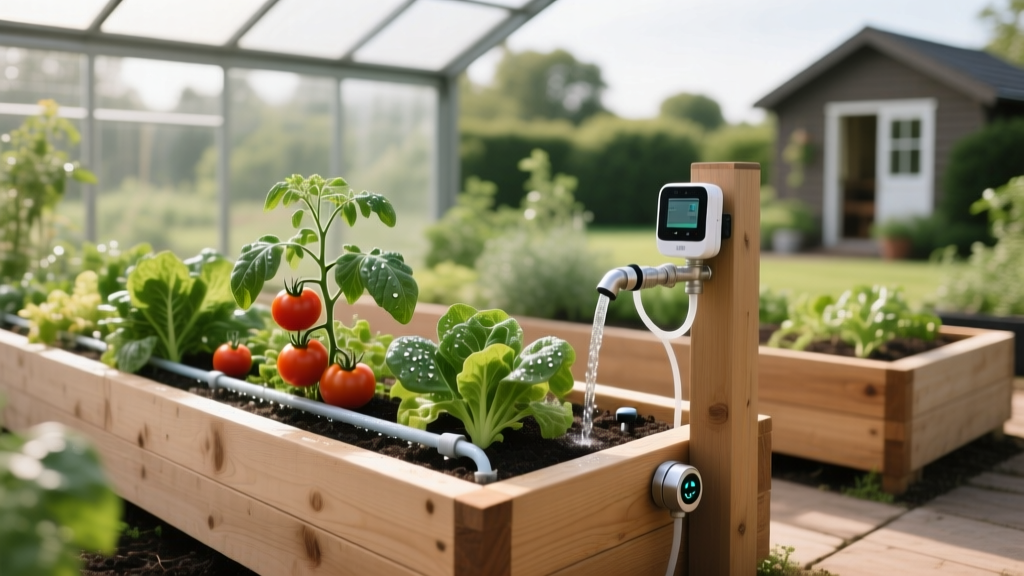
Smart Irrigation Automation for Raised Bed Vegetable Gardens
Anna KowalskiPublished
The Rise of the Smart Vegetable Garden
The modern home garden is undergoing a technological renaissance. While traditional gardening relies heavily on manual labor, guesswork, and daily hose dragging, the integration of smart home automation has transformed how we cultivate our backyard crops. For raised bed vegetable gardens, which are notorious for rapid soil drainage and high water demands, automation is not just a luxury—it is a vital tool for maximizing yields and conserving resources. By leveraging Wi-Fi-enabled irrigation controllers, capacitive soil moisture sensors, and precision drip tubing, home gardeners can create a fully autonomous hydration ecosystem that responds in real-time to environmental changes.
The Unique Hydration Challenges of Raised Beds
Raised beds offer incredible benefits for vegetable gardening, including superior soil aeration, earlier spring warming, and reduced weed pressure. However, their elevated structure means they dry out significantly faster than in-ground garden plots. Crops like indeterminate tomatoes, bell peppers, and cucumbers require consistent soil moisture to prevent physiological disorders such as blossom end rot and fruit splitting. Manual watering often leads to the 'feast or famine' cycle: overwatering during busy weeks and underwatering during hot spells. Automating your raised bed irrigation eliminates human error, ensuring that your plants receive the exact volume of water they need, precisely when they need it.
Core Components of a Smart Irrigation System
Building a smart irrigation network for your raised beds requires three primary hardware categories: the brain (controller), the nervous system (sensors and wiring), and the muscles (valves and drip emitters).
1. Smart Irrigation Controllers
The controller is the central hub of your system. Unlike traditional timer-based sprinkler clocks, smart controllers connect to your home Wi-Fi network and pull live meteorological data. According to the EPA WaterSense program, Weather-Based Irrigation Controllers (WBICs) can save the average home nearly 7,600 gallons of water annually by adjusting schedules based on local evapotranspiration (ET) rates, rainfall forecasts, and humidity levels.
2. Soil Moisture Sensors
While weather data is useful, it does not tell you what is happening beneath the soil surface. Capacitive soil moisture sensors measure the dielectric permittivity of the soil, providing a highly accurate reading of actual moisture content at the root zone. By integrating sensors like the Netro Whisperer or Xiaomi Flora, your smart controller can bypass a scheduled watering cycle if the soil is already saturated, preventing root rot and fungal diseases.
3. Precision Drip Irrigation Hardware
Overhead spraying is highly inefficient for raised beds, as it wets plant foliage (inviting powdery mildew and blight) and wastes water through evaporation. Drip irrigation delivers water directly to the base of the plant. A standard setup utilizes a 1/2-inch polyethylene mainline snaking through the bed, with 1/4-inch micro-tubing and 2 Gallons Per Hour (GPH) pressure-compensating emitters spaced exactly 12 inches apart. The USDA Water Conservation guidelines heavily endorse drip systems for their ability to achieve up to 90% water application efficiency compared to the 50-70% efficiency of traditional sprinklers.
Hardware Comparison: Top Smart Irrigation Controllers
Selecting the right controller depends on your garden's size, your technical expertise, and your budget. Below is a comparison of the top smart controllers suited for raised bed drip systems.
| Controller Model | Estimated Cost | Key Smart Features | Best Use Case |
|---|---|---|---|
| Rachio 3e (8-Zone) | $179 - $199 | Hyper-local weather intelligence, EPA WaterSense certified, seamless app UI | Multi-bed gardens requiring distinct watering zones for different crop types |
| Orbit B-hyve XR (6-Zone) | $139 - $159 | WeatherSense technology, built-in mesh network support, rugged outdoor casing | Medium-sized gardens where the controller must be mounted outside without a weatherproof box |
| Netro Spark + Whisperer | $149 - $169 | Includes integrated soil moisture and sunlight sensors, AI-driven zone scheduling | Tech-enthusiasts wanting granular, real-time soil data directly tied to automated valves |
Step-by-Step Installation and Zoning Guide
Installing an automated drip system in a standard 4x8-foot raised bed is a weekend project that requires minimal tools. Follow these actionable steps for a professional-grade setup:
Step 1: Zone Planning for Companion Planting
Not all vegetables share the same hydration needs. Deep-rooted tomatoes and peppers prefer deep, infrequent watering (e.g., 45 minutes every three days), while shallow-rooted companion plants like lettuce, radishes, and basil require frequent, light watering (e.g., 10 minutes daily). Divide your raised beds into distinct irrigation zones using inline 24V AC solenoid valves connected to your smart controller. This ensures companion plants are not drowned or dehydrated by a one-size-fits-all schedule.
Step 2: Laying the Mainline and Emitters
Run a 1/2-inch blank poly tubing mainline down the center of your 4x8 raised bed. Use a specialized drip punch tool to insert 1/4-inch barbed connectors every 12 inches. Attach 12-inch lengths of micro-tubing to these connectors, terminating with 2 GPH pressure-compensating emitters. Bury the mainline under 2 inches of organic mulch (like straw or shredded leaves) to protect the plastic from UV degradation and further reduce soil evaporation.
Step 3: Sensor Placement and Calibration
Insert your capacitive soil moisture sensors at a 45-degree angle, targeting the active root zone (approximately 6 to 8 inches deep for mature vegetable crops). Place sensors in the most representative area of the bed—avoid the extreme edges which dry out faster, and avoid the immediate base of the emitter which stays artificially wet. Calibrate the sensor thresholds in your smart app to trigger watering only when soil volumetric water content (VWC) drops below 25% for heavy feeders, or 35% for moisture-loving greens.
Optimizing Water Usage with Weather Data and Automation
The true power of smart home automation lies in its 'set it and forget it' intelligence. By enabling ET (Evapotranspiration) tracking on your controller, the system calculates the exact amount of water lost to the atmosphere daily and replaces only that deficit. The Irrigation Association notes that smart controllers utilizing ET data and rain-freeze sensors can reduce outdoor water use by up to 50% without compromising plant health.
Furthermore, you can automate seasonal transitions. In the heat of July, your system might automatically schedule watering for 4:00 AM to minimize evaporation and wind interference. As autumn approaches and daylight hours shorten, the smart controller will naturally scale back the run times based on the shifting sunrise data and dropping ambient temperatures, preparing your perennial crops for dormancy without requiring manual schedule adjustments.
System Maintenance and Winterization
While smart systems drastically reduce daily maintenance, they do require seasonal care to protect your investment. In late autumn, before the first hard freeze, you must winterize your raised bed drip system. Disconnect the smart controller and solenoid valves, storing them in a climate-controlled garage to prevent internal diaphragms from cracking. Use a portable air compressor set to a low PSI (under 30 PSI) to blow out residual water from the 1/2-inch mainlines and 1/4-inch micro-tubing. Leaving water in the lines will cause ice expansion, splitting the emitters and ruining the precision calibration of your drip network.
Additionally, inspect your soil moisture sensors annually. Capacitive sensors are generally immune to the corrosion that plagues older resistive models, but the protective epoxy coating can degrade over time when exposed to highly acidic soil mixes or heavy compost applications. Re-calibrate your sensors every spring using the 'dry air' and 'glass of water' baseline tests recommended by the manufacturer to ensure your smart controller is making decisions based on flawless data.
Conclusion
Integrating smart home automation into your raised bed vegetable garden bridges the gap between traditional horticulture and modern convenience. By investing in a Wi-Fi-enabled controller, deploying precision drip emitters, and monitoring real-time soil moisture, you create a resilient growing environment. This automated approach not only shields your crops from the stress of inconsistent watering but also aligns your gardening practices with vital water conservation efforts. Embrace the technology, and watch your vegetable garden thrive on autopilot.
