
Landscaping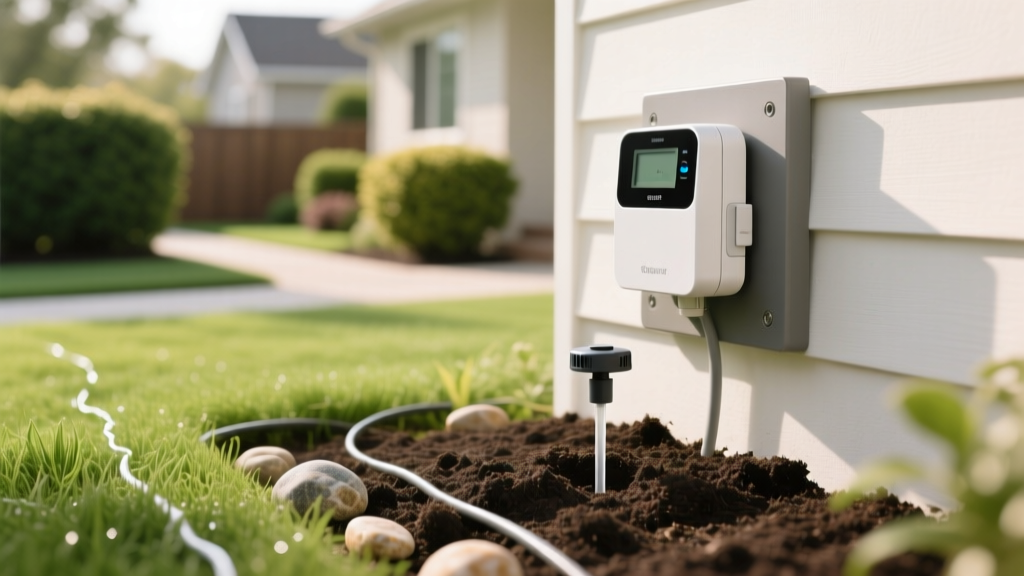
Smart Irrigation Controllers: Automate Your Landscape Watering
Anna KowalskiPublished
The modern landscape is no longer just about planting the right shrubs or laying down fresh sod; it is about creating an intelligent, responsive outdoor ecosystem. As smart home technology permeates every corner of our living spaces, landscaping has emerged as one of the most lucrative and impactful areas for automation. By integrating smart irrigation controllers, soil moisture sensors, and automated hardscape lighting, homeowners can drastically reduce water waste, lower utility bills, and maintain pristine curb appeal with minimal manual intervention.
Traditional irrigation timers are notoriously inefficient. They operate on rigid schedules, completely oblivious to sudden rainstorms, seasonal temperature shifts, or the specific microclimates in your yard. According to the Environmental Protection Agency (EPA), a typical home with an automatic sprinkler system uses up to 35% more water than a home without one, largely due to outdated scheduling and overwatering. Upgrading to a smart landscape automation system is the single most effective step a homeowner can take toward sustainable property management.
The Science of Evapotranspiration (ET)
To understand why smart controllers are superior, you must understand Evapotranspiration (ET). ET is the combined process of water evaporation from the soil and transpiration from plant leaves. Weather-based smart irrigation controllers use local meteorological data—tracking temperature, humidity, solar radiation, and wind speed—to calculate the exact ET rate for your specific zip code. Instead of watering for a flat 20 minutes every morning, the controller dynamically adjusts run times to replace only the exact amount of moisture lost to the atmosphere the previous day.
Top Smart Irrigation Controllers Compared
Choosing the right hub for your landscape automation depends on your existing setup, budget, and preferred smart home ecosystem. Below is a comparison of the industry's leading weather-based controllers.
| Controller Model | Avg. Cost | Smart Home Integration | Best Use Case |
|---|---|---|---|
| Rachio 3 (8-Zone) | $229 | Alexa, Google, Apple HomeKit | Tech enthusiasts wanting granular zone control |
| Orbit B-hyve XR | $199 | Alexa, Google Home | Budget-conscious DIYers with large properties |
| Rain Bird ST8I-2.0 | $145 | Proprietary App, IFTTT | Basic smart upgrades for existing Rain Bird systems |
Integrating Soil Moisture Sensors for Precision
While weather-based ET data is incredibly accurate for regional climates, it cannot account for the unique microclimates within your specific yard. A garden bed heavily shaded by a mature oak tree will retain moisture far longer than a south-facing lawn exposed to direct afternoon sun. This is where soil moisture sensors become an indispensable addition to your smart landscaping arsenal.
Products like the Toro Precision Soil Sensor or the Hunter Soil-Clik measure the actual volumetric water content in the earth. When integrated with your smart controller, these sensors act as a physical override, preventing the system from watering if the soil is already saturated, regardless of what the weather forecast predicts.
Actionable Installation Advice for Soil Sensors
- Turfgrass Zones: Bury the sensor probe at a depth of 4 to 6 inches. This targets the primary root zone of most warm-season and cool-season grasses.
- Shrub and Tree Beds: Install the probe deeper, typically 8 to 12 inches, to accurately reflect the moisture levels where deep-rooted ornamentals draw their water.
- Placement: Always place the sensor in the driest area of the zone (usually the sunniest spot or the highest elevation) to ensure the entire zone receives adequate water before the sensor triggers a shutoff.
Smart Landscape Lighting Automation
True landscape automation extends beyond water management into outdoor living spaces and hardscaping. Smart landscape lighting enhances both curb appeal and home security. Traditional low-voltage transformers rely on basic photocells or analog timers that drift out of sync with the seasons. Modern smart transformers, such as those offered by VOLT Lighting or Kichler's Design Pro LED systems, connect directly to your home's Wi-Fi network.
By integrating your outdoor lighting with platforms like Philips Hue or a central hub like Samsung SmartThings, you can create automated routines. For example, a 'Goodnight' routine can simultaneously lock your smart doors, arm your security system, turn off interior lights, and illuminate your hardscape pathways and retaining wall uplighting. This seamless integration creates a cohesive, secure, and highly automated property perimeter.
Step-by-Step Controller Installation Guide
Swapping out an old analog clock for a smart controller is a highly accessible DIY project. Follow these steps to ensure a safe and successful installation:
- Power Down: Turn off the dedicated breaker for your irrigation system at the main electrical panel. Verify the power is off using a non-contact voltage tester.
- Label the Wires: Before disconnecting anything, use the provided stickers or painter's tape to label every 18-gauge wire. Note the 'Common' wire (usually white or black) and the numbered zone wires.
- Mount the Backplate: Remove the old controller and mount the new smart controller's backplate. If installing outdoors, ensure you are using a weather-resistant enclosure and silicone-sealed wire conduit fittings.
- Reconnect and Power Up: Insert the labeled wires into the corresponding terminal slots on the new unit. Tighten the set screws firmly, restore power at the breaker, and boot up the device.
- Network Configuration: Download the manufacturer's app and connect the controller to your home network. Critical Note: Most smart irrigation controllers only support 2.4 GHz Wi-Fi networks. Ensure your router is broadcasting a 2.4 GHz band, as the device will fail to pair on a 5 GHz network.
Calibration: Soil Types and Cycle-and-Soak
Hardware installation is only half the battle; software calibration is where the true water savings are realized. The Colorado State University Extension emphasizes that matching your controller's output to your soil type is vital for preventing runoff and promoting deep root growth.
If your landscape features heavy clay soil, water infiltrates very slowly. If a smart controller attempts to deliver 15 minutes of water all at once, the soil will reach saturation within 5 minutes, and the remaining 10 minutes will result in expensive, nutrient-rich runoff into the storm drain. Smart controllers solve this using 'Cycle and Soak' programming. The software automatically breaks a 15-minute run time into three 5-minute cycles, separated by 30-minute soak periods, allowing the clay to absorb the moisture fully.
Pro Tip: Always check with your local municipal water provider before purchasing a smart controller. As highlighted by Water Use It Wisely, many utility companies and local water districts offer aggressive rebates ranging from $50 to $150 for EPA WaterSense-certified smart irrigation controllers. In some cases, these rebates can cover the entire cost of the hardware, making your landscape automation upgrade completely free.
The Future of Automated Landscaping
As the Internet of Things (IoT) continues to evolve, the boundary between the indoor smart home and the outdoor landscape will completely dissolve. We are already seeing the integration of smart flow meters that can detect microscopic leaks in underground PVC lines, automatically shutting off the main water valve and sending an alert to your smartphone before a minor leak becomes a catastrophic sinkhole. By investing in smart irrigation controllers, soil sensors, and automated lighting today, you are not just improving your curb appeal—you are future-proofing your property for a more sustainable, automated tomorrow.

