
Landscaping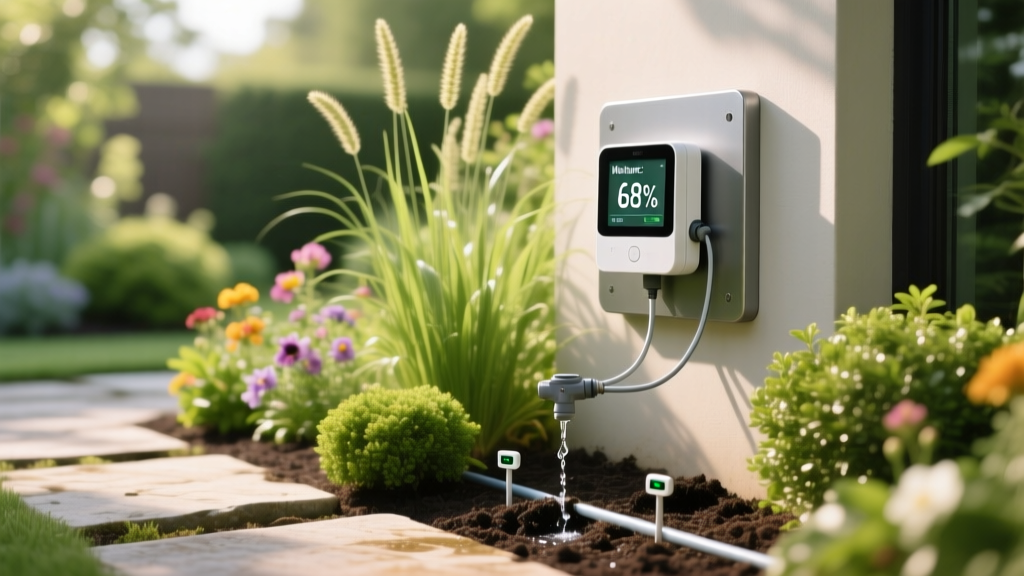
Smart Irrigation Controllers: Automate Landscape Zones
Lisa ThompsonPublished
The Shift to Smart Landscape Irrigation
Landscaping is no longer just about selecting the right shrubs, laying fresh sod, or building hardscape retaining walls; it is now deeply intertwined with home automation. As smart home ecosystems expand from indoor lighting and thermostats to the great outdoors, automated landscape irrigation has emerged as one of the most impactful upgrades a homeowner can make. Traditional irrigation timers operate on rigid, pre-set schedules that completely ignore the dynamic nature of weather, soil conditions, and plant needs. This outdated approach inevitably leads to overwatering during rainy weeks and underwatering during unexpected heatwaves, ultimately stressing your landscape and wasting a precious natural resource.
According to the Environmental Protection Agency (EPA), outdoor water use accounts for nearly 30% of total household water consumption, a figure that can climb to 60% in arid regions during peak summer months. By transitioning to a smart irrigation ecosystem, homeowners can seamlessly integrate their garden beds, turf zones, and drip lines into a cohesive, data-driven network. This not only ensures optimal plant health but also aligns your landscape with modern sustainable practices.
The Brains Behind the Operation: Weather vs. Soil
Smart irrigation controllers generally fall into two primary categories: weather-based (evapotranspiration) controllers and soil moisture sensor-based controllers. Understanding the distinction is critical for designing an effective automated landscape.
Weather-based controllers, often referred to as ET (Evapotranspiration) controllers, rely on hyper-local meteorological data. They connect to your home Wi-Fi network and pull real-time data regarding temperature, humidity, solar radiation, wind speed, and rainfall. The controller calculates the exact amount of moisture your landscape has lost to evaporation and plant transpiration, automatically adjusting the run times for each specific zone to replace only what is needed. This method is exceptionally effective for large, diverse landscapes with varying sun exposures.
Conversely, soil moisture sensors measure the actual volumetric water content in the root zone of your plants. Devices like the Toro Precision Soil Sensor or Rain Bird SMRM are buried a few inches below the surface in representative garden beds or turf areas. If the soil moisture drops below a user-defined threshold, the sensor signals the controller to initiate a watering cycle. If the soil is already saturated, the cycle is skipped entirely, regardless of what the timer or weather forecast dictates. For garden beds featuring sensitive perennials or newly installed landscaping, soil sensors provide an unmatched layer of precision.
Top Smart Irrigation Controllers for Landscaping
Selecting the right hardware is the foundation of your automated landscape. Below is a comparison of the industry-leading smart controllers available on the market today, tailored for both DIY landscaping enthusiasts and complex estate properties.
| Controller Model | Max Zones | Smart Features | Approx. Cost | Best For |
|---|---|---|---|---|
| Rachio 3 | 8 or 16 | Weather intelligence, IFTTT, HomeKit | $170 - $230 | DIY Smart Home Enthusiasts |
| Hunter Pro-HC | 6 to 24 | Hydrawise ET data, flow metering | $250 - $400 | Large Estates & Professionals |
| Orbit B-hyve XR | 6 to 16 | WeatherSense, indoor/outdoor mount | $120 - $180 | Budget-Conscious Upgrades |
Rachio 3 Smart Sprinkler Controller: The Rachio 3 is widely considered the gold standard for residential smart home integration. Its 'Weather Intelligence Plus' feature automatically skips watering for rain, wind, freeze, and saturation. It integrates flawlessly with Apple HomeKit, Amazon Alexa, and Google Assistant, allowing you to trigger specific landscape zones via voice commands or geofencing routines.
Hunter Pro-HC with Hydrawise: For landscapes with complex hardscaping, multiple elevation changes, or high-end drip irrigation networks, the Hunter Pro-HC is a commercial-grade powerhouse. The Hydrawise software offers predictive watering based on local weather stations and supports flow meters to instantly detect broken pipes or leaking drip emitters, shutting down the zone to prevent landscape erosion and water waste.
Orbit B-hyve XR: The B-hyve XR is an excellent entry point for homeowners looking to upgrade from a legacy dial timer without breaking the bank. Its WeatherSense technology utilizes local weather data to adjust schedules, and the XR model is rated for both indoor and outdoor mounting, eliminating the need for a separate weatherproof enclosure if your existing timer box is located on an exterior wall.
Designing Hydrozones for Maximum Automation
A smart controller can only be as effective as the physical landscape design it manages. To truly automate your landscape, you must employ 'hydrozoning'—the practice of grouping plants with similar water, sun, and soil requirements into the same irrigation zone. If you have drought-tolerant lavender and water-loving hydrangeas on the same valve, no smart algorithm can keep both healthy simultaneously.
When planning your automated garden beds, separate your turf zones from your shrub and flower bed zones. Turf typically requires high-volume spray heads or rotors that deliver water quickly to shallow root systems. Garden beds, on the other hand, benefit immensely from automated drip irrigation. Drip lines deliver water slowly and directly to the root zone, minimizing evaporation and preventing fungal diseases on plant leaves. By assigning drip zones to their own dedicated valves on your smart controller, you can program longer, slower soak cycles that encourage deep root growth without triggering runoff on adjacent hardscaping or slopes.
Wiring, Wi-Fi, and Outdoor Enclosures
Upgrading to a smart controller requires addressing both physical wiring and wireless connectivity. Most residential irrigation systems operate on a 24V AC transformer. When swapping out an old timer, ensure your existing transformer provides adequate amperage for the new smart unit, especially if you are adding master valves or pump start relays. For the field wiring, 18-gauge multi-strand irrigation wire is the industry standard; always use waterproof gel-filled wire nuts to prevent ground faults that can cause smart controllers to misread zone connectivity.
Wi-Fi connectivity is the lifeblood of landscape automation. Most smart controllers operate exclusively on the 2.4GHz Wi-Fi band due to its superior range and wall-penetration capabilities. However, irrigation controllers are often located in garages, basements, or far corners of the yard where router signals are weak. If your controller struggles to maintain a connection, consider installing a dedicated outdoor Wi-Fi mesh node or a simple 2.4GHz range extender near the controller location to ensure uninterrupted access to real-time weather data.
Smart Home Integration and Advanced Routines
The true power of smart landscaping shines when integrated into broader home automation platforms like IFTTT (If This Then That), SmartThings, or Apple HomeKit. You can create highly specific, automated routines that protect your landscape and hardscaping investments. For example, you can set a geofencing routine that automatically pauses all irrigation if a freeze warning is issued for your zip code, protecting your above-ground backflow preventer and PVC pipes from catastrophic cracking.
Additionally, you can integrate smart rain gauges or local weather station APIs to create custom thresholds. Instead of relying solely on the manufacturer's default rain skip settings, you can program an IFTTT applet that says: 'If local rainfall exceeds 0.25 inches in the last 48 hours, reduce all shrub zone run times by 50%.' This level of granular control ensures that your landscape receives exactly what it needs, precisely when it needs it, without any manual intervention.
Cost Analysis, ROI, and Municipal Rebates
The initial investment for a smart irrigation ecosystem typically ranges from $150 to $400 for the controller, plus an additional $40 to $100 per soil moisture sensor. While this is higher than the $50 cost of a basic mechanical timer, the return on investment is rapid. The EPA WaterSense Smarter Irrigation program notes that upgrading to a smart controller can save the average home nearly 7,600 gallons of water annually. For homeowners in regions with tiered water pricing or strict summer watering restrictions, these savings can offset the hardware cost in less than two irrigation seasons.
Furthermore, many local water municipalities and utility companies offer aggressive rebates for installing WaterSense-labeled smart controllers. It is highly recommended to check with your local water provider before purchasing, as rebates can sometimes cover up to 100% of the controller's cost. As highlighted by The Irrigation Association during their annual Smart Irrigation Month campaigns, embracing automated irrigation technology is one of the most effective steps a homeowner can take toward sustainable landscape management, ensuring lush, vibrant outdoor living spaces while conserving vital community water resources.

