Gardening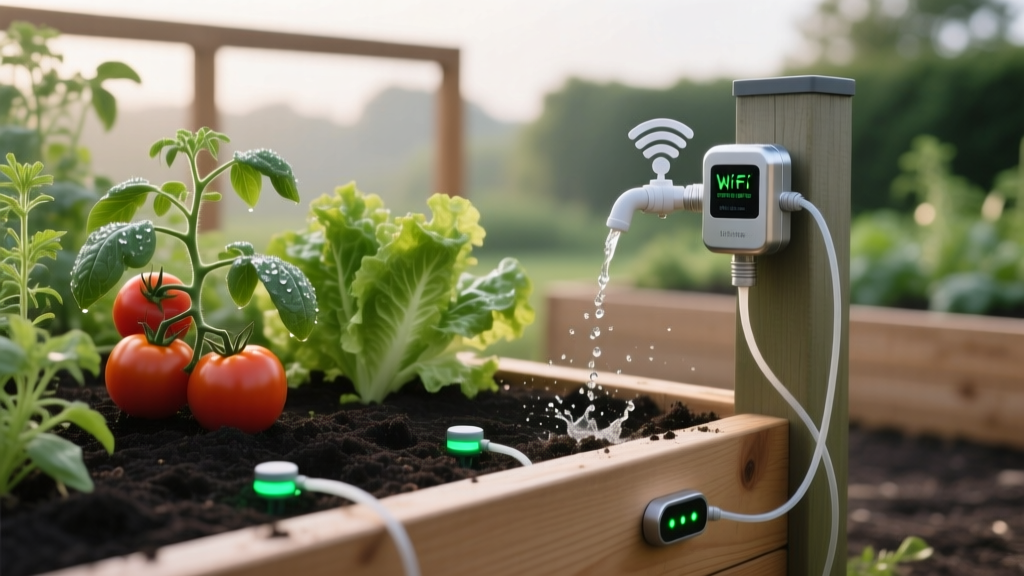
Smart Soil Sensors and Automated Watering for Raised Beds
Sarah ChenPublished
The Intersection of Smart Home Tech and Vegetable Gardening
As smart home ecosystems like Apple HomeKit, Amazon Alexa, and Google Home become increasingly sophisticated, their applications have expanded far beyond indoor lighting and security. Today, the modern homesteader can leverage smart home automation to cultivate thriving vegetable and flower gardens. For raised bed gardening, where soil volume is limited and moisture levels can fluctuate rapidly, automation is not just a luxury; it is a powerful tool for maximizing crop yields and conserving resources.
By integrating wireless soil moisture sensors with Wi-Fi-enabled irrigation valves, you can create a closed-loop smart garden system. This setup waters your tomatoes, peppers, and leafy greens only when they truly need it, eliminating the guesswork and preventing the common pitfalls of overwatering and underwatering. In this comprehensive guide, we will explore how to design, build, and automate a smart drip irrigation system for your raised beds, complete with hardware recommendations, integration logic, and cost analysis.
Why Automate Your Raised Bed Irrigation?
Raised beds offer superior drainage and soil aeration, but these benefits come with a trade-off: they dry out much faster than in-ground garden plots. During the peak heat of summer, a standard 4x8 foot raised bed can lose a significant amount of moisture to evaporation and plant transpiration in a single afternoon.
Consistent moisture is critical for vegetable health. For example, fluctuating soil moisture levels in tomato plants are the primary cause of blossom end rot and fruit splitting. According to the EPA WaterSense program, traditional manual watering or overhead sprinklers can waste up to 50 percent of applied water due to wind drift, evaporation, and runoff. By contrast, automated smart drip systems deliver water directly to the root zone, achieving up to 90 percent water efficiency. Furthermore, research highlighted by the Texas A&M AgriLife Extension demonstrates that smart irrigation controllers and soil sensors can reduce outdoor water use by 20 to 50 percent compared to conventional timers, saving homeowners money while preserving municipal water supplies.
Choosing the Right Smart Soil Moisture Sensors
The foundation of any automated garden is accurate data. You need a soil moisture sensor that can withstand harsh outdoor conditions, resist corrosion from fertilizers, and integrate seamlessly with your smart home hub. Below is a comparison of the top smart soil sensors available for garden automation.
| Sensor Model | Connectivity Protocol | Battery Life | Approx. Cost | Best Use Case |
|---|---|---|---|---|
| Ecowitt WH51 | RF 433MHz (via Ecowitt Hub) | 12 to 16 Months | $35 | Multi-zone tracking and local data logging |
| Xiaomi Mi Flora | Bluetooth Low Energy | 6 to 12 Months | $25 | Container gardening and small raised beds |
| Spruce Sensor | Zigbee / Z-Wave | 12+ Months | $45 | Home Assistant, Hubitat, and SmartThings |
| SwitchBot Hub + Sensor | Bluetooth to Wi-Fi Hub | 6 Months | $30 | Beginner Alexa and Google Home routines |
For a robust raised bed setup, the Ecowitt WH51 or the Spruce Sensor are highly recommended. The Ecowitt system allows you to deploy multiple sensors across different beds (e.g., one for thirsty cucumbers, one for drought-tolerant rosemary) and view the data on a centralized dashboard. The Spruce Sensor is ideal for advanced users who run local smart home servers like Home Assistant, allowing for complex automation logic without relying on cloud servers.
Building the Automated Smart Drip Network
Once your sensors are selected, the next step is to build the physical irrigation infrastructure. According to the Michigan State University Extension, drip irrigation is the most efficient method for home vegetable gardens, minimizing fungal diseases by keeping plant foliage dry.
Step 1: The Smart Water Valve
You will need a Wi-Fi-enabled hose timer or a smart irrigation controller. The Orbit B-hyve XD or the Eve Aqua (for HomeKit users) are excellent choices. These devices screw directly onto your outdoor spigot and connect to your home Wi-Fi network, allowing them to receive trigger commands from your smart home hub based on sensor data.
Step 2: Tubing and Emitters
For a standard 4x8 foot raised bed, you will need the following components:
- 50 feet of 1/2 inch blank polyethylene tubing (mainline).
- 100 feet of 1/4 inch micro-tubing.
- 30 to 40 pressure-compensating drip emitters rated at 1 Gallon Per Hour (GPH).
- 1/2 inch to 1/4 inch barbed connectors and end caps.
- A 25-mesh hose filter and a 25 PSI pressure regulator to prevent emitter blowouts.
Step 3: Layout and Installation
Run the 1/2 inch mainline down the center of your raised bed. Use the 1/4 inch micro-tubing to branch off to individual plants. For row crops like carrots or radishes, use inline drip tape with emitters spaced every 6 inches. For large, deep-rooted crops like tomatoes and peppers, loop the micro-tubing around the base of the plant and install two 1 GPH emitters per plant to ensure even root zone saturation. Bury the lines under 2 inches of organic mulch to further reduce evaporation and protect the plastic from UV degradation.
Smart Home Integration and Automation Logic
The true magic of a smart garden lies in the automation logic. Instead of watering on a rigid schedule (e.g., every day at 6 AM), your system will water based on real-time environmental conditions. Here is how to set up the logic using a platform like Home Assistant, IFTTT, or native app routines.
Basic Time and Moisture Logic
You want to avoid triggering the water valve during the heat of the day when evaporation rates are highest. Set your automation rules to check soil moisture only during the early morning or late evening.
Example Automation Rule:
IF current time is between 5:00 AM and 7:00 AM,
AND Soil Moisture Sensor reads below 35 percent,
THEN turn ON Smart Water Valve for 20 minutes.
ELSE do nothing.
Advanced Weather Integration
Take your automation a step further by integrating local weather forecasts via APIs like OpenWeatherMap. You can program your smart hub to skip the morning watering routine entirely if the local forecast predicts more than 0.25 inches of rain within the next 12 hours. This prevents waterlogging, which can lead to root rot in peppers and eggplants.
Cost Breakdown and Return on Investment
Upgrading to a smart garden system requires an upfront investment, but the ROI is realized through water savings, reduced plant mortality, and increased harvest yields. Here is a typical cost breakdown for automating two 4x8 raised beds:
- Wi-Fi Hose Timer (e.g., Orbit B-hyve): $55
- Soil Moisture Sensors (x2 Ecowitt WH51): $70
- RF Gateway Hub: $40
- Drip Irrigation Kit (Tubing, emitters, fittings): $65
- Pressure Regulator and Filter: $20
- Total Estimated Cost: $250
Considering that a single stressed, improperly watered tomato plant can lose dozens of pounds of potential yield to blossom end rot, the system pays for itself in a single growing season. Additionally, the EPA notes that smart irrigation technologies can save the average home thousands of gallons of water annually, lowering your utility bills while supporting local conservation efforts.
Seasonal Maintenance and Winterization
Smart garden technology requires seasonal maintenance to ensure longevity. As autumn approaches and your vegetable garden reaches the end of its lifecycle, you must properly winterize the system.
First, disconnect the smart water timer from the spigot, drain any residual water from the internal valves, and store it indoors to prevent freezing and cracked plastics. Second, remove your soil moisture sensors. While many are rated for outdoor use, freezing and thawing cycles can damage the delicate capacitive probes and drain the batteries prematurely. Clean the probes with a damp cloth, remove the batteries, and store them in a dry place. Finally, flush the drip lines with clean water to remove mineral deposits and algae buildup, ensuring your emitters remain unclogged for the following spring.
Conclusion
Integrating smart home automation into your raised bed vegetable garden bridges the gap between traditional horticulture and modern technology. By utilizing precise soil moisture sensors and automated drip irrigation, you create a resilient, water-efficient growing environment. Whether you are cultivating heirloom tomatoes, crisp lettuce, or vibrant companion flowers, a smart garden system ensures your plants receive exactly what they need, exactly when they need it, freeing you to enjoy the harvest rather than worrying about the hose.
