Lawn Care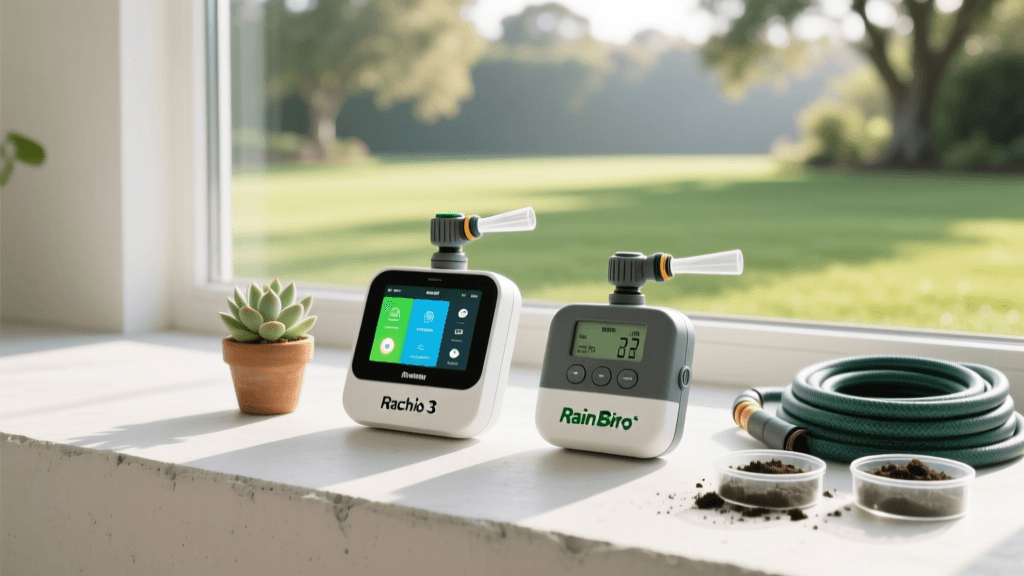
Best Smart Sprinkler Controllers: Rachio vs. Rain Bird
Introduction to Smart Lawn Irrigation
Achieving a lush, vibrant lawn requires more than just regular mowing, aeration, and fertilization; it demands precise and consistent irrigation. Water is the lifeblood of your turf, but delivering the right amount at the right time is a challenge that plagues many homeowners. Traditional sprinkler timers operate on rigid, set-it-and-forget-it schedules, completely ignoring the dynamic nature of weather patterns, soil moisture levels, and seasonal evapotranspiration rates. This outdated approach not only harms your grass by promoting shallow root growth and fungal diseases but also wastes a staggering amount of water.
According to the Environmental Protection Agency (EPA) WaterSense program, up to 50 percent of water used for outdoor irrigation is wasted due to evaporation, wind, or runoff from inefficient systems and overwatering.
Upgrading to a smart sprinkler controller is one of the most impactful lawn care investments you can make. By leveraging local weather data and soil science, these devices automatically adjust your watering schedules to deliver exactly what your lawn needs. In this comprehensive product review and comparison, we will evaluate two of the most popular smart irrigation controllers on the market: the Rachio 3 Smart Sprinkler Controller and the Rain Bird ESP-Me2 (equipped with the LNK2 Wi-Fi Module). We will break down their features, usability, water-saving capabilities, and overall value to help you decide which is best for your specific lawn care routine.
The Contenders: An Overview
Rachio 3 Smart Sprinkler Controller
The Rachio 3 has long been considered the gold standard for smart home irrigation. Designed with a sleek, modern interface and powered by Rachio's proprietary Weather Intelligence Plus technology, this controller is built for the tech-savvy homeowner who wants maximum automation. It utilizes hyperlocal weather data from sources like NOAA, Mesowest, and local personal weather stations to create highly customized watering schedules. Whether you are growing cool-season Kentucky Bluegrass or warm-season Zoysia, the Rachio 3 app allows you to input specific soil types, sun exposure, and sprinkler head varieties to calculate precise run times.
Rain Bird ESP-Me2 with LNK2 Module
Rain Bird is a legacy brand deeply rooted in professional landscaping and agricultural irrigation. The ESP-Me2 is a robust, modular, and highly durable controller designed to withstand harsh outdoor conditions when housed in an exterior enclosure. Out of the box, it is a standard timer, but by plugging in the LNK2 Wi-Fi Module, it transforms into a smart controller. The Rain Bird system appeals to traditionalists and landscaping professionals who prefer physical dials and heavy-duty wiring terminals, while still offering weather-based adjustments and remote access via the Rain Bird app.
Head-to-Head Comparison Chart
To understand how these two irrigation giants stack up against each other, we have compiled a detailed comparison chart focusing on the specifications that matter most to lawn care enthusiasts.
| Feature | Rachio 3 | Rain Bird ESP-Me2 + LNK2 |
|---|---|---|
| Base Zones | 8 or 16 fixed zones | 4 base zones (expandable to 22 via modules) |
| Weather Intelligence | Hyperlocal (Weather Intelligence Plus) | Daily ET (Evapotranspiration) adjustments |
| App Interface | Highly intuitive, visual, and modern | Functional, data-heavy, slightly dated |
| Smart Home Integration | Apple HomeKit, Alexa, Google Assistant | Alexa, Google Assistant (via IFTTT) |
| Installation | Tool-free wiring harness, very simple | Traditional screw terminals, modular bays |
| Estimated Cost | $229 - $279 (depending on zones) | ~$150 (Controller) + $45 (LNK2 Module) |
| Best For | Tech enthusiasts, complex lawn zones | DIers on a budget, existing Rain Bird users |
Deep Dive: Watering Strategies and Lawn Science
A smart controller is only as effective as the lawn care science programmed into it. Both the Rachio and Rain Bird systems allow you to customize your irrigation based on the specific needs of your turfgrass. The University of California Agriculture and Natural Resources (UC ANR) extension emphasizes that watering based on Evapotranspiration (ET) rates significantly reduces turf stress and prevents the leaching of essential soil nutrients.
Managing Cool-Season vs. Warm-Season Grasses
When setting up your smart controller, accurately defining your grass type is critical for establishing deep, drought-resistant root systems.
- Cool-Season Grasses (Kentucky Bluegrass, Tall Fescue, Perennial Ryegrass): These grasses typically require 1 to 1.5 inches of water per week during peak summer months. Both controllers allow you to set seasonal shift percentages, automatically scaling back watering in the spring and fall to prevent fungal outbreaks like brown patch.
- Warm-Season Grasses (Bermuda, Zoysia, St. Augustine, Centipede): These drought-tolerant varieties generally require only 0.5 to 1 inch of water per week. Overwatering warm-season grasses with a traditional timer often leads to aggressive thatch buildup and shallow rooting. The Rachio 3's 'Cycle and Soak' feature is particularly beneficial here, breaking up run times to prevent runoff on sloped lawns.
Soil Type Calibration: The Secret to Preventing Runoff
The most common mistake homeowners make is applying water faster than the soil can absorb it. Clay soils, common in many parts of the Midwest and South, have incredibly slow infiltration rates. If your sprinkler zone runs for 20 minutes straight, the last 10 minutes are likely just creating runoff into the street, wasting water and carrying lawn fertilizers into local waterways.
Both Rachio and Rain Bird offer 'Cycle and Soak' (or 'Multiple Start Times') features. By programming the controller to water a zone for 5 minutes, wait 45 minutes for the soil to absorb the moisture, and then water for another 5 minutes, you ensure deep soil penetration. The Rachio app handles this math automatically based on your soil selection, whereas the Rain Bird requires a bit more manual programming via the app's advanced scheduling menus.
Installation and Setup Best Practices
Upgrading your irrigation controller is a highly rewarding weekend project. Before you unbox your new device, follow these actionable installation steps to ensure a smooth transition:
- Photograph Your Existing Wiring: Before disconnecting a single wire from your old timer, take a high-resolution photo of the terminal block. Note which color wire corresponds to which zone valve.
- Check Your Wi-Fi Signal: Smart controllers require a stable 2.4GHz Wi-Fi connection. If your controller is in the garage or a backyard shed, use your smartphone to test the signal strength. You may need to install a Wi-Fi extender to ensure the controller can reliably download daily weather updates.
- Inspect Your Rain Sensor: While smart controllers use internet-based weather data to skip watering during rain events, having a physical, wired rain sensor or soil moisture sensor acts as a crucial fail-safe. Both the Rachio 3 and Rain Bird ESP-Me2 have dedicated terminals for rain sensors. Ensure the sensor is mounted in an unobstructed area, away from the splash zone of your sprinkler heads.
- Label Your Zones in the App: Take the time to name your zones accurately in the app (e.g., 'Front Yard - Fescue - Full Sun'). Add photos of each zone within the app interface. This makes troubleshooting and seasonal adjustments significantly easier down the line.
Pros and Cons Summary
Rachio 3
Pros: Unmatched app experience, automatic Cycle and Soak calculations, hyperlocal weather tracking, seamless smart home integration, and tool-free wiring harness.
Cons: Higher upfront cost, lacks physical buttons for manual watering if the Wi-Fi goes down, and the 16-zone limit may not be enough for massive estate properties.
Rain Bird ESP-Me2 + LNK2
Pros: Highly durable modular design, expandable up to 22 zones, physical dial for manual overrides, trusted professional-grade wiring terminals, and lower overall cost.
Cons: The app interface feels dated, LNK2 module is sold separately, and setting up advanced features like Cycle and Soak requires navigating clunky menus.
Final Verdict: Which Controller is Right for Your Lawn?
When it comes to optimizing your lawn care routine, both the Rachio 3 and the Rain Bird ESP-Me2 are exceptional tools that will save you money on your water bill while promoting a healthier, deeper-rooted lawn.
If you prioritize ease of use, automation, and modern smart home integration, the Rachio 3 is the undisputed winner. Its ability to automatically calculate Cycle and Soak times based on local soil data takes the guesswork out of irrigation, making it perfect for homeowners who want a pristine lawn without spending hours tweaking settings.
However, if you are a hands-on DIYer, have a complex landscape requiring more than 16 zones, or are upgrading an existing Rain Bird system, the Rain Bird ESP-Me2 with the LNK2 module offers incredible reliability and professional-grade hardware at a more budget-friendly price point. By choosing the right smart controller and pairing it with proper lawn aeration, seasonal fertilization, and correct mowing heights, you will be well on your way to achieving the neighborhood's most enviable turf.