Gardening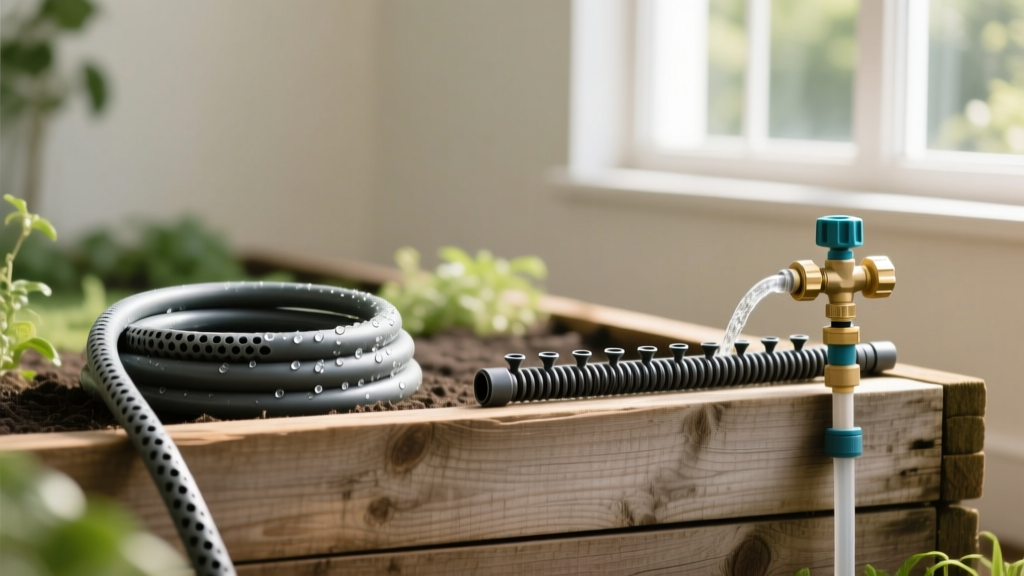
Soaker Hoses vs. Drip Tape: Best Raised Bed Irrigation
Emily WatsonPublished
The Raised Bed Watering Dilemma: Soaker Hoses vs. Drip Tape
Raised bed gardening offers incredible benefits, from superior soil drainage to reduced weed pressure and easier access for planting and harvesting. However, because raised beds are elevated above the surrounding soil and often feature loose, well-draining soil mixes, they dry out significantly faster than traditional in-ground gardens. This makes a reliable, efficient irrigation system an absolute necessity for vegetable and flower gardeners. When it comes to targeted, low-volume watering, two products dominate the market: porous soaker hoses and flat drip irrigation tape. But which one is actually better for your specific garden layout, budget, and soil type?
In this comprehensive product comparison, we will break down the differences between soaker hoses and drip tape. We will explore the costs, water efficiency, installation requirements, and longevity of each system to help you make an informed decision for your raised beds. According to the EPA WaterSense program, utilizing targeted drip irrigation systems can reduce outdoor water use by 20 to 50 percent compared to traditional sprinklers, making your choice of drip emitters a critical factor in both garden health and water conservation.
Understanding Soaker Hoses
Soaker hoses are typically manufactured from recycled rubber or porous vinyl. Instead of featuring distinct, pre-punched emitters, the entire wall of the hose is designed to 'sweat' or weep water along its entire length. When connected to a water source and pressurized, water slowly seeps out through thousands of microscopic pores, delivering moisture directly to the soil surface.
Pros of Soaker Hoses
- Flexibility and Routing: Soaker hoses are highly flexible and can easily be snaked around curved bed edges, existing plants, or irregularly shaped garden features.
- Durability: Thick-walled rubber soaker hoses can withstand accidental tugs, minor foot traffic, and exposure to UV rays better than thin plastics.
- Simplicity: They require fewer specialized fittings. You simply attach them to a standard garden hose spigot (with a pressure regulator) and lay them out.
Cons of Soaker Hoses
- Uneven Watering on Slopes: Because they rely on internal water pressure to push water through the pores, soaker hoses often deliver more water at the beginning of the run and less at the end, especially if the raised bed has even a slight slope.
- Clogging: The microscopic pores are highly susceptible to clogging from mineral deposits in hard water or soil particles splashing back onto the hose.
- Higher Initial Cost: Quality rubber soaker hoses generally cost between $0.40 and $0.80 per foot.
Understanding Drip Irrigation Tape
Drip tape (often referred to by brand names like Netafim or Chapin) is a thin-walled, flexible polyethylene tubing that features pre-punched, precision emitters spaced at regular intervals (usually 8, 12, or 18 inches apart). Originally designed for commercial agriculture, drip tape has become a favorite among serious home vegetable gardeners due to its precision and low cost.
Pros of Drip Tape
- Precision and Uniformity: The engineered emitters are pressure-compensating or designed to deliver a highly uniform flow rate (measured in gallons per hour, or GPH) from the first emitter to the last, even on sloped terrain.
- Cost-Effective: Drip tape is incredibly affordable, typically costing between $0.05 and $0.15 per foot, making it ideal for large gardens or multiple raised beds.
- Targeted Moisture: Because water is released at specific intervals, you can align the emitters perfectly with your plant spacing, reducing water waste in empty soil gaps.
Cons of Drip Tape
- Fragility: The thin walls (usually 8-mil to 15-mil thick) are easily punctured by garden trowels, aggressive root systems, or wildlife.
- Strict Filtration Needs: The small emitter pathways clog easily. A high-quality mesh filter is mandatory.
- Rigid Layouts: Drip tape is best suited for straight, rectangular raised beds and does not handle tight curves well without kinking.
Head-to-Head Comparison Chart
To visualize the differences, review this structured comparison of the two irrigation methods across critical gardening metrics.
| Feature | Soaker Hoses | Drip Irrigation Tape |
|---|---|---|
| Material | Porous recycled rubber or vinyl | Thin-walled polyethylene (8-15 mil) |
| Cost Per Foot | $0.40 - $0.80 | $0.05 - $0.15 |
| Expected Lifespan | 3 to 5 seasons | 1 to 3 seasons |
| Operating Pressure (PSI) | 10 - 25 PSI | 8 - 15 PSI |
| Water Distribution | Continuous weeping along entire length | Discrete emitters at fixed intervals |
| Filtration Requirement | Basic screen filter (optional but recommended) | 120 to 150-mesh filter (mandatory) |
| Best Garden Shape | Curved, irregular, or densely planted beds | Straight, rectangular rows |
Water Pressure and Flow Rate Requirements
One of the most common mistakes gardeners make is connecting these low-volume systems directly to a standard outdoor spigot without a pressure regulator. Household water pressure typically ranges from 40 to 80 PSI, which is far too high for both products.
If you subject a soaker hose to 60 PSI, it will not weep; it will spray like a misting system, defeating the purpose of targeted irrigation and potentially damaging the hose seams. If you subject drip tape to high pressure, the thin polyethylene walls will balloon and burst, flooding your raised bed. You must install a pressure regulator rated for 15 to 25 PSI at the spigot. Furthermore, as detailed by Texas A&M Agrilife Extension, proper filtration is non-negotiable for drip systems. A 120-mesh filter prevents microscopic sediment from lodging inside the tape's emitters, which is the leading cause of system failure.
Soil Texture and Emitter Spacing Dynamics
Your choice between soaker hoses and drip tape should also be influenced by the soil mix inside your raised beds. Water moves differently through sandy soils versus clay-heavy soils due to capillary action and gravity.
- Sandy Loam or Peat-Based Mixes: Water tends to travel straight down rather than spreading horizontally. If you use drip tape in a sandy raised bed, you need emitters spaced closely together (every 6 to 8 inches) to ensure the root zones of adjacent plants overlap and receive adequate moisture. A soaker hose is often better here, as it provides a continuous line of moisture.
- Clay or Compost-Heavy Mixes: Water spreads outward horizontally before sinking deep. In these soil types, drip tape with wider emitter spacing (12 to 18 inches) works beautifully, as the water will naturally fan out and create a continuous wetting front beneath the soil surface.
Research from Penn State Extension highlights that matching your irrigation delivery method to your soil's infiltration rate is key to preventing water runoff and nutrient leaching, both of which are common issues in elevated garden beds.
Installation and Seasonal Maintenance
Installing Soaker Hoses
Lay the soaker hose in a serpentine pattern across your raised bed, spacing the loops 12 to 18 inches apart. Secure the hose with landscape staples or U-pins to prevent it from shifting when you mulch. For best results, cover the soaker hose with 2 inches of organic mulch (like straw or shredded leaves). This hides the hose from UV degradation and drastically reduces surface evaporation.
Installing Drip Tape
Drip tape should be laid in straight, parallel lines down the length of the raised bed. Use specialized drip tape punch fittings or barbed connectors to attach the tape to your main polyethylene supply line. Ensure the emitters are facing upward. While it seems counterintuitive, facing the emitters up prevents soil particles from settling directly into the emitter holes when the system is turned off, reducing clogs. Like soaker hoses, drip tape performs best when concealed under a layer of mulch.
Winterization and Longevity
When the growing season ends, maintenance requirements diverge. High-quality rubber soaker hoses can often be left in place year-round or simply rolled up and stored in a shed. Drip tape, however, is generally treated as a semi-disposable product. Because it is difficult to flush out completely and prone to cracking if water freezes inside the thin walls, most home gardeners discard or recycle drip tape at the end of the season and purchase new rolls the following spring. Given its low cost per foot, this annual replacement is usually more economical than attempting to winterize it.
The Final Verdict: Which Should You Choose?
Ultimately, the decision between soaker hoses and drip tape comes down to your garden's geometry, your budget, and your willingness to perform maintenance.
Choose Soaker Hoses if your raised beds feature curved edges, if you are growing dense, sprawling crops like pumpkins or sweet potatoes where precise emitter placement is impossible, or if you want a durable system that can be left in place for multiple years with minimal winterization.
Choose Drip Irrigation Tape if you have long, rectangular raised beds planted in organized rows (like tomatoes, peppers, or corn). If you are operating on a tight budget, managing a large-scale vegetable garden, or dealing with sloped terrain where uniform water distribution is critical, the precision and affordability of drip tape make it the undisputed champion of raised bed irrigation.
