
Landscaping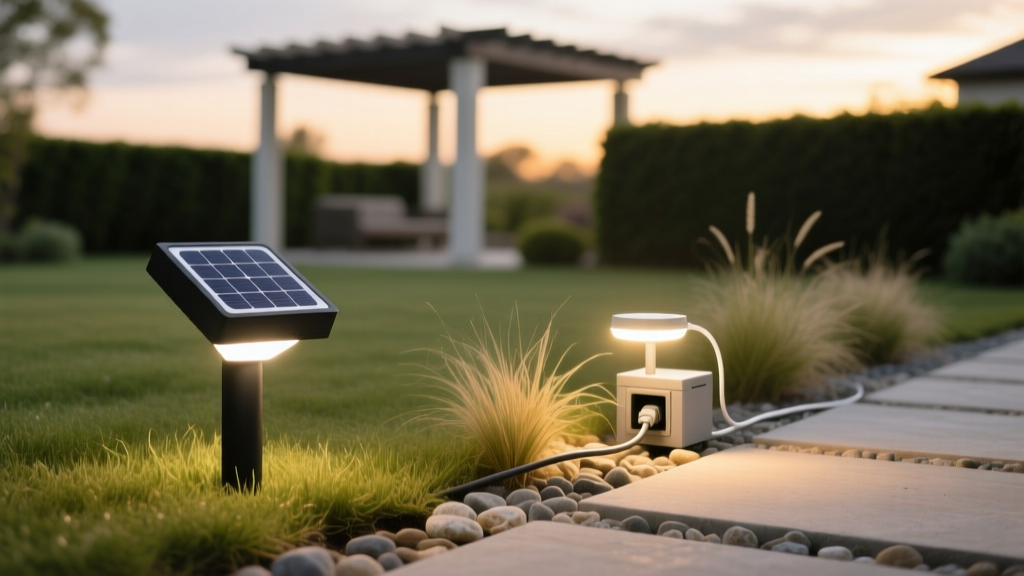
Solar vs Low-Voltage LED Path Lights: Which is Best?
Sarah ChenPublished
The Landscape Lighting Dilemma: Solar vs. Low-Voltage
When it comes to elevating curb appeal, improving nighttime safety, and extending the usability of your outdoor living spaces, landscape lighting is non-negotiable. However, homeowners are consistently faced with a major decision at the garden center or online store: Should you invest in a hardwired low-voltage LED system, or opt for the wire-free convenience of modern solar path lights? As a senior landscaping reviewer, I have tested dozens of fixtures across varying climates and garden layouts. In this comprehensive comparison, we break down the top products, installation requirements, long-term costs, and environmental impacts to help you make the right choice for your yard.
Understanding Low-Voltage LED Landscape Lighting
Low-voltage landscape lighting operates on a 12-volt system, requiring a transformer that plugs into a standard 120-volt outdoor GFCI outlet and steps the voltage down. This system uses direct-burial copper wiring to connect multiple fixtures. It is the gold standard for professional landscapers due to its reliability, brilliance, and longevity.
Top Product Review: VOLT Lighting Solid Brass Path Light
The VOLT Lighting Solid Brass Path Light is widely considered the premium benchmark for residential hardscaping and garden bed illumination. Priced around $45 to $60 per fixture (excluding the transformer and wire), it features a lifetime warranty against corrosion. Unlike cheap aluminum or plastic alternatives that oxidize and turn chalky white after two seasons, the brass construction develops a natural, attractive patina over time.
- Light Output: 150-200 lumens (depending on the LED bulb inserted).
- Color Temperature: 2700K (Warm White), perfect for highlighting foliage and stonework.
- Build: Solid brass with a thick glass lens that resists hail and heavy debris.
The Pros and Cons of Low-Voltage Systems
Pros: Unmatched reliability, consistent brightness regardless of weather, high lumen output capable of illuminating large trees and deep garden beds, and smart-home integration capabilities.
Cons: Higher upfront costs, labor-intensive installation requiring trenching, and the need to manage transformer timers or smart hubs.
Understanding High-Quality Solar Landscape Lighting
Solar path lights have evolved dramatically over the last decade. Modern premium solar lights utilize monocrystalline silicon panels and advanced battery chemistries to provide surprisingly robust illumination without a single trench or wire. They are ideal for remote garden corners, rental properties, or DIYers on a strict budget.
Top Product Review: Hampton Bay Premium Solar LED Path Lights
The Hampton Bay Premium Solar LED Path Lights (often sold in 4-packs for around $60-$80) represent the upper echelon of big-box store solar options. They feature a real glass lens and a stainless-steel or cast-aluminum housing, avoiding the flimsy plastic stakes that snap during the first frost heave.
- Light Output: 100-120 lumens per fixture.
- Battery: Replaceable Lithium-Ion (Li-ion) or NiMH AA batteries.
- Run Time: 8 to 10 hours on a full summer charge; drops to 3-4 hours in winter.
Battery Chemistry Matters: A Quick Guide
When reviewing solar lights, always check the battery type. Avoid Nickel-Cadmium (NiCd) due to environmental toxicity and memory effect. Look for Nickel-Metal Hydride (NiMH) for budget options, but insist on Lithium Iron Phosphate (LiFePO4) for premium fixtures. LiFePO4 batteries endure thousands of charge cycles and perform significantly better in cold weather.
Head-to-Head Comparison: Solar vs. Low-Voltage
To visualize the differences, here is a structured comparison chart based on a standard 10-light pathway installation.
| Feature | Low-Voltage LED System | Premium Solar System |
|---|---|---|
| Initial Equipment Cost | $450 - $800 | $150 - $250 |
| Installation Time | 4 - 8 Hours (Trenching) | 30 Minutes (Staking) |
| Consistent Brightness | 100% (Year-Round) | Variable (Weather Dependent) |
| Fixture Lifespan | 15 - 25 Years (Brass) | 3 - 5 Years |
| Battery/Replacements | N/A (LEDs last 40k hrs) | Every 2 - 3 Years |
| Smart Home Integration | Yes (via Smart Transformer) | Limited (Select Brands) |
| Winter Performance | Unaffected by Snow/Clouds | Severely Diminished |
Installation Guide: Actionable Advice and Measurements
Installing Low-Voltage Lighting
If you choose the low-voltage route, proper installation is critical to avoid voltage drop and wire damage. Follow these professional specifications:
- Wire Gauge: Use 12-gauge copper wire for runs up to 100 feet. If your total run exceeds 100 feet, upgrade to 10-gauge wire to prevent the last fixtures in the line from dimming.
- Trench Depth: Bury your direct-burial cable at least 6 inches deep. This protects the wire from lawn aeration, edging tools, and surface-digging wildlife.
- Transformer Sizing: Add up the total wattage of all your fixtures, then multiply by 1.25 to account for line loss. If you have ten 4-watt LED path lights (40W total), you need a minimum 50-watt transformer. Never exceed 80% of the transformer's maximum capacity.
Installing Solar Lighting
Solar installation is simple, but placement is everything. Ensure the photovoltaic panel receives a minimum of 6 to 8 hours of direct, unfiltered sunlight daily. Avoid placing them near south-facing walls that cast afternoon shadows, and keep them away from competing nighttime light sources like streetlamps or porch lights, which can trick the sensor into thinking it is still daytime.
Environmental Impact and Light Pollution
As landscaping professionals, we must consider the ecological footprint of our outdoor designs. Light pollution disrupts local wildlife, confuses migratory birds, and affects insect populations.
According to the U.S. Department of Energy (DOE), outdoor LED lighting systems use up to 75% less energy than traditional halogen landscape lighting. However, the DOE and the International Dark-Sky Association (IDA) strongly advise using fixtures with a color temperature of 3000K or lower, and ensuring all light is shielded and directed downward to minimize skyglow and protect local ecosystems.
Low-voltage systems excel here because you can easily swap LED bulbs to a warm 2700K and use directional hoods. Solar lights often use cheaper, unshielded LEDs that emit a harsh 4000K-5000K blue-white light, scattering lumens horizontally into neighboring windows and the night sky. Always check the Kelvin rating on the box before purchasing.
Smart Lighting Integration
For the modern smart home, low-voltage systems offer a distinct advantage. Products like the VOLT Smart Transformer or the Ring Smart Lighting Transformer allow you to connect your hardwired 12V path lights to Wi-Fi. This enables geofencing (lights turn on when you pull into the driveway), voice control via Alexa, and precise dimming schedules that adapt to local sunset times automatically. While some high-end solar brands offer Bluetooth apps, they lack the mesh-network reliability of a centralized smart transformer.
Final Verdict: Which Should You Choose?
The choice between solar and low-voltage LED path lights ultimately depends on your budget, your willingness to dig, and your long-term landscaping goals.
Choose Low-Voltage LED if: You are investing in a forever home, want to illuminate large architectural features or deep garden beds, require reliable winter lighting, and value premium materials like solid brass that will outlast your mortgage. The higher upfront cost and weekend of trenching are well worth the decades of flawless, professional-grade curb appeal.
Choose Premium Solar if: You are landscaping a rental property, working on a strict budget, renting your home, or need to illuminate a remote section of the yard where running a 100-foot trench through an existing concrete patio or established root system is impossible. Just be prepared to replace batteries every few years and accept reduced performance during the dark, cloudy days of winter.

