Gardening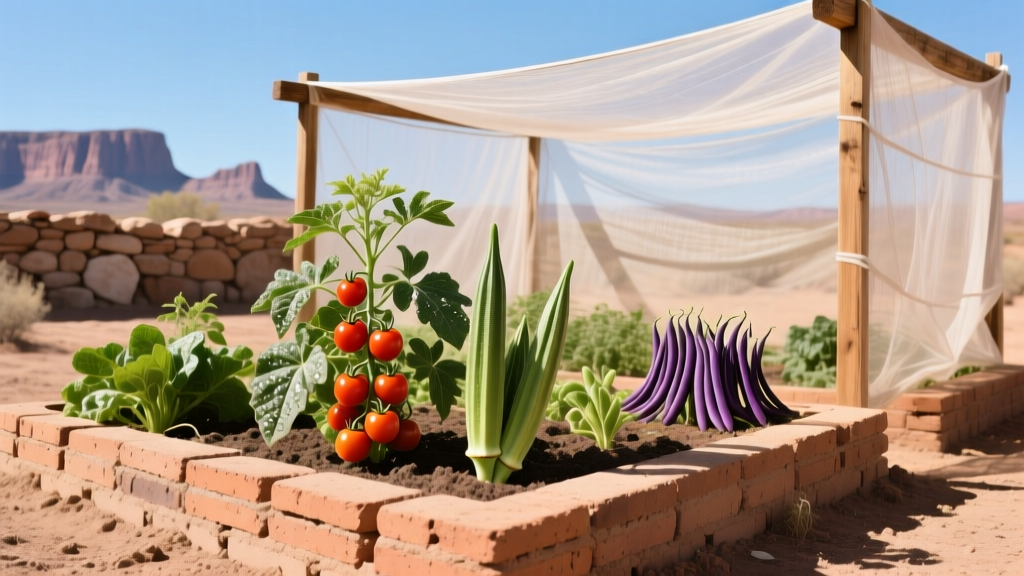
Southwest Desert Vegetable Gardening Guide For Zones 9-10
Robert HayesPublished
The Unique Reality of Southwest Desert Gardening
Gardening in the American Southwest—specifically USDA Hardiness Zones 9 and 10—requires a complete paradigm shift for those accustomed to traditional temperate climates. In regions encompassing parts of Arizona, New Mexico, West Texas, and Southern California, summer is not the prime growing season; it is a period of brutal survival for most crops. According to the USDA Plant Hardiness Zone Map, these zones experience minimum winter temperatures between 20°F and 40°F, but summer highs routinely shatter 105°F. To succeed, desert gardeners must embrace the cooler months, master the art of microclimate manipulation, and completely rethink traditional planting calendars.
Understanding the Desert Seasons
The Short Spring Window
In the Southwest, spring is incredibly brief. By mid-April, temperatures can easily exceed 90°F, causing cool-season crops to bolt and warm-season crops to suffer from heat stress before they establish deep root systems. The goal during the spring is to transplant early, utilize shade cloth, and harvest quickly before the true summer heat sets in.
The Prime Fall and Winter Season
The true growing season in Zones 9 and 10 begins in late summer and extends through early spring. The Texas A&M AgriLife Extension Vegetable Gardening guides frequently highlight that crops planted in September and October will thrive through the mild winter, yielding massive harvests of brassicas, root vegetables, and leafy greens. Frost is rare and usually short-lived, meaning a simple frost cloth is often enough to protect tender plants during January cold snaps.
Conquering Caliche and Alkaline Soils
The native soil in the Southwest is notoriously difficult to work with. It is highly alkaline (pH 8.0 to 8.5), low in organic matter, and often plagued by caliche. Caliche is a shallow layer of soil in which the particles have been cemented together by calcium carbonate. It acts like concrete, preventing root penetration and causing severe drainage issues.
Pro Tip: To test your soil for caliche, dig a hole 12 inches deep and fill it with water. If the water does not drain within 4 hours, you are dealing with a hardpan layer that requires mechanical breaking or raised bed construction.
Soil Amendment Strategies
The University of Arizona Cooperative Extension frequently advises gardeners to bypass native caliche layers entirely by utilizing raised beds. If you must plant in the ground, follow these steps:
- Mechanical Fracturing: Use a pickaxe or digging bar to physically break the caliche layer to a depth of at least 18 inches.
- Organic Matter: Incorporate 3 to 4 inches of high-quality, finished compost into the top 12 inches of soil to improve moisture retention and microbial activity.
- pH Adjustment: Apply elemental sulfur at a rate of 1 pound per 100 square feet to help lower the alkaline pH over time. Avoid using aluminum sulfate, as desert soils already contain high levels of salts and aluminum toxicity can occur.
Raised Bed Construction
For the highest success rate, build raised beds that are 18 to 24 inches deep. Fill them with a mixture of 60% high-quality topsoil, 30% organic compost, and 10% coarse sand or pumice for drainage. This depth ensures that deep-rooting crops like tomatoes and peppers never hit the native caliche layer below.
Monsoon Season Survival Strategies
The North American Monsoon typically arrives in late June and lasts through August, bringing high humidity, erratic microbursts, and severe dust storms known as haboobs. Preparing your garden for the monsoon is critical to prevent total crop loss.
- Windbreaks and Staking: Secure all trellises with heavy-duty T-posts driven at least 2 feet into the ground. Use soft plant ties to secure tomato and pepper stems, allowing a little room for movement to prevent snapping.
- Shade Cloth Deployment: Install 30% to 50% knitted polypropylene shade cloth over your warm-season crops. This protects them from sunscald and reduces soil evaporation rates by up to 40%.
- Erosion Control: Apply a 3-inch layer of straw or shredded bark mulch to all exposed soil. This prevents the heavy monsoon rains from washing away your carefully amended topsoil and forming a hard crust upon drying.
Selecting Heat-Tolerant Varieties
Not all vegetable varieties can handle the desert sun. When ordering seeds or transplants, look for specific heat-set genetics. For tomatoes, varieties like 'Solar Fire', 'Phoenix', and 'Heatmaster' are bred to set fruit even when nighttime temperatures remain above 75°F. For peppers, 'Jimmy Nardello' and 'Shishito' perform exceptionally well. Cucumbers should be swapped for Armenian cucumbers, which are technically melons but are eaten like cucumbers and thrive in 110°F heat.
Desert Vegetable Planting Schedule
Timing is everything in the desert. Use the following schedule as a baseline for Zones 9 and 10, adjusting slightly based on your specific microclimate and local frost dates.
| Crop Category | Specific Crops | Seed Indoors | Transplant / Direct Sow | Days to Harvest |
|---|---|---|---|---|
| Warm-Season (Spring) | Heat-Set Tomatoes, Peppers | December - January | February - March (Transplant) | 70 - 100 |
| Warm-Season (Monsoon) | Armenian Cukes, Black-eyed Peas | June | July (Transplant/Direct) | 60 - 80 |
| Cool-Season (Fall) | Broccoli, Cauliflower, Cabbage | July - August | September (Transplant) | 60 - 90 |
| Leafy Greens (Winter) | Spinach, Swiss Chard, Kale | August - September | October (Direct/Transplant) | 45 - 60 |
| Root Vegetables | Carrots, Beets, Radishes | N/A | September - November (Direct) | 30 - 80 |
| Alliums | Garlic, Onions (Short-day) | N/A | October - November (Direct) | 120 - 240 |
Precision Water Management
Evaporation rates in the Southwest can exceed 70 inches annually, making flood irrigation wildly inefficient and a waste of resources. Drip irrigation is non-negotiable for desert gardeners.
Drip System Configuration
Install a drip irrigation system using 1/2-inch poly tubing with 2 GPH (gallons per hour) button emitters spaced 12 inches apart. For shallow-rooted crops like lettuce and carrots, run the system for 15 minutes every other day. For deep-rooted crops like tomatoes, run the system for 45 minutes twice a week to encourage roots to chase the moisture deep into the soil profile, anchoring the plant against monsoon winds.
Desert-Adapted Companion Planting
Companion planting in the desert focuses heavily on shade creation and moisture retention. The traditional Native American 'Three Sisters' method (corn, beans, and squash) works beautifully if adapted. Plant tall crops like corn or sunflowers on the south and west sides of your garden. This creates a living shade canopy that protects more delicate, heat-sensitive crops like bush beans and leafy greens from the brutal late afternoon sun. Additionally, planting a dense ground cover of sweet alyssum around the base of your vegetables helps shade the soil, retain moisture, and attract vital pollinators that are otherwise scarce during the peak heat of the day.
Conclusion
Southwest desert vegetable gardening is an exercise in adaptation and patience. By respecting the extreme climate, investing in proper soil infrastructure to defeat caliche, and shifting your primary growing season to the cooler months, you can cultivate a lush, highly productive garden in Zones 9 and 10. Embrace the monsoon, utilize shade cloth strategically, and let the mild desert winter provide you with an abundance of cool-season harvests that gardeners in colder climates can only dream of.
