Gardening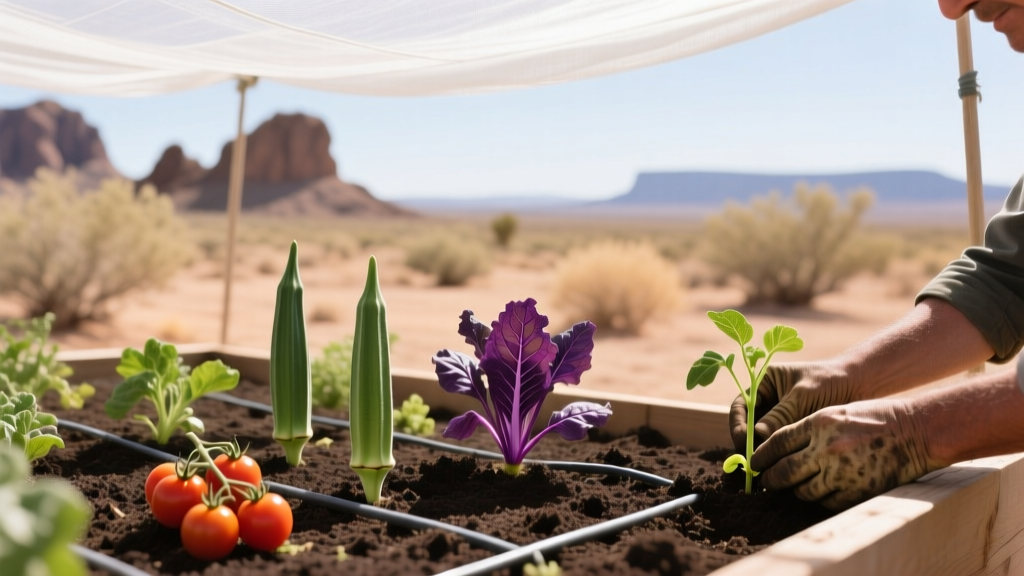
Southwest Desert Vegetable Gardening: A Zone 8-10 Guide
Lisa ThompsonPublished
Introduction to Southwest Desert Gardening
Gardening in the American Southwest presents a unique set of challenges that can intimidate even seasoned horticulturists. The Sonoran, Mojave, and Chihuahuan deserts are characterized by extreme summer heat, intense ultraviolet radiation, severe water scarcity, and notoriously poor native soils. However, with the right regional strategies, gardeners in USDA Zones 8 through 10 can cultivate abundant, thriving vegetable gardens. According to the USDA Plant Hardiness Zone Map, these zones experience minimum winter temperatures ranging from 10°F to 40°F, but the true limiting factor for Southwest gardening is the summer heat dome, where daytime temperatures routinely exceed 105°F. This guide provides actionable, climate-specific advice to help you conquer the desert environment, optimize your water usage, and extend your growing seasons.
Understanding Microclimates in Zones 8-10
The Southwest is not a monolith; elevation and topography create drastic microclimates. For instance, Phoenix, Arizona (Zone 9b/10a) sits at roughly 1,100 feet in elevation and experiences brutal, unrelenting summer heat. In contrast, Tucson (Zone 9a/9b) sits at 2,400 feet, offering slightly cooler nights that aid in fruit set for crops like tomatoes and peppers. Meanwhile, higher elevation areas like Prescott or parts of West Texas (Zone 7b/8a) experience a much shorter summer window but face late spring frosts. Understanding your specific microclimate is critical. You must track not just your first and last frost dates, but also your 'heat ceiling'—the period when nighttime temperatures refuse to drop below 85°F, which causes blossom drop in most solanaceous crops.
Defeating Caliche: Soil Preparation and Raised Beds
Native desert soil is often plagued by caliche, a hardpan layer of soil particles cemented together by calcium carbonate. It restricts root growth, prevents drainage, and locks up essential nutrients. Furthermore, desert soils are highly alkaline, often boasting a pH between 7.5 and 8.5, which causes iron chlorosis in many vegetables.
The Raised Bed Solution
Instead of battling caliche with pickaxes and soil amendments, the most cost-effective and efficient strategy is to build raised beds. Galvanized steel or untreated cedar raised bed kits measuring 4 feet wide by 8 feet long and 18 inches deep typically cost between $150 and $250. The 18-inch depth is crucial for root vegetables and provides a buffer against the rapid drying effects of desert winds.
The Desert Soil Mix
Standard potting soils dry out far too quickly in arid climates. A superior, moisture-retentive blend for Southwest raised beds consists of:
- 40% High-Quality Compost: Provides slow-release nutrients and microbial life.
- 40% Coco Coir: Unlike peat moss, which becomes hydrophobic when dry, coco coir re-wets easily and holds up to 30% more moisture, a vital trait for desert gardening.
- 20% Coarse Vermiculite or Pumice: Ensures adequate drainage and aeration while retaining water.
To buffer the naturally alkaline water and compost, mix in 1 to 2 pounds of elemental sulfur per 100 square feet of bed space before planting to help lower the pH toward the ideal 6.5 to 7.0 range.
Precision Water Management and Drip Irrigation
Water is the most precious resource in the Southwest. Overhead sprinklers are highly inefficient due to rapid evaporation and can promote fungal diseases when water sits on foliage in humid monsoon seasons. Drip irrigation is non-negotiable.
Setting Up Your System
Invest in pressure-compensating drip tubing, such as Netafim Techline CV, with emitters spaced every 12 inches. For raised beds, lay the tubing in a grid pattern spaced 8 inches apart. Set your emitters to a low flow rate, such as 0.5 to 1.0 Gallons Per Hour (GPH). This allows water to percolate deeply into the coco coir and compost mix without running off.
Mulching for Moisture Retention
Exposed soil in the desert will bake and crust over. Apply a 2-to-3-inch layer of organic mulch—such as straw, shredded hardwood, or pine needles—over your drip lines. This reduces soil surface temperatures by up to 15°F and cuts evaporation rates by half. Water deeply in the early morning (around 4:00 AM) via an automated timer to hydrate plants before the midday heat stress begins.
Shade Cloth Strategies for Extreme Summer Heat
When temperatures soar past 100°F, full sun will scorch leaves and halt pollination. Utilizing shade cloth over PVC or cattle-panel hoop structures is a staple of Southwest gardening. Aluminet (reflective aluminum shade cloth) is highly recommended as it reflects solar radiation while allowing diffused light to reach the plants, reducing ambient temperatures under the cloth by 10°F to 15°F.
Shade Cloth Requirements by Crop Type
| Crop Category | Ideal Shade Percentage | Summer Viability | Notes |
|---|---|---|---|
| Leafy Greens (Lettuce, Spinach) | 50% - 60% | Low | Best grown in early spring or late fall; bolts quickly in summer. |
| Fruiting Crops (Tomatoes, Peppers) | 30% - 50% | Moderate | Requires shade during July/August to prevent sunscald and blossom drop. |
| Cucurbits (Melons, Squash) | 30% - 40% | Moderate | Needs high light for fruit set; use shade only during extreme heat domes. |
| Desert Adapted (Okra, Cowpeas) | 0% - 30% | High | Thrives in full sun; shade only required during seedling establishment. |
According to research highlighted by the University of Arizona Cooperative Extension, deploying a 50% shade cloth during the peak months of June through August can save heat-stressed pepper and tomato plants, allowing them to survive the summer and produce a massive second flush of fruit when temperatures cool in September.
Seasonal Planting Calendar for the Desert Southwest
Unlike northern climates that have one long summer growing season, the Southwest features two distinct, primary growing seasons separated by a harsh summer hiatus.
- The Spring Window (February to April): This is the time to plant frost-tender crops like tomatoes, peppers, eggplants, and basil. The goal is to establish deep root systems before the June heat arrives. Transplanting 6-inch nursery starts in mid-February gives plants a critical head start.
- The Summer Hiatus (May to July): Focus on soil building, solarization (using clear plastic to bake and kill soil-borne pathogens and nematodes), and maintaining heat-loving survivors like okra and sweet potatoes.
- The Monsoon/Fall Window (August to October): As the summer monsoon rains begin in late July and August, soil temperatures start to drop. This is the ideal time to direct-sow fall crops like carrots, beets, radishes, and bush beans, and to transplant a second round of tomatoes and brassicas (broccoli, cauliflower) for a massive winter harvest.
Top Drought-Tolerant Varieties for the Southwest
Selecting the right genetics is paramount. The Texas A&M AgriLife Extension consistently recommends varieties bred for heat tolerance and low-water environments. Look for these specific cultivars:
- Armenian Cucumbers: Technically a melon, this crop thrives in 110°F heat and produces crisp, elongated fruits that taste exactly like cucumbers without the bitterness or water demands of standard varieties.
- Cowpeas (Black-Eyed Peas): Varieties like 'Pinkeye Purple Hull' act as a fantastic summer cover crop. They fix nitrogen in the soil, tolerate extreme drought, and produce heavy yields of protein-rich pods.
- Oklahoma Red Okra: Okra is a desert gardener's best friend. It loves heat, requires minimal supplemental watering once established, and its deep taproot helps break up compacted soils.
- Chiltepin and Jalapeño Peppers: Smaller, thinner-walled peppers generally handle desert heat far better than thick-walled bell peppers, which often suffer from blossom end rot due to calcium uptake issues caused by erratic desert watering.
Conclusion
Successful vegetable gardening in the Southwest requires a departure from traditional temperate-climate wisdom. By embracing raised beds to bypass caliche, utilizing coco coir and drip irrigation to maximize every drop of water, and strategically deploying shade cloth to manipulate microclimates, you can turn an unforgiving desert landscape into a highly productive edible oasis. Respect the seasons, plant according to the heat rather than the frost, and your Zone 8-10 garden will yield bountiful harvests year-round.
