
Landscaping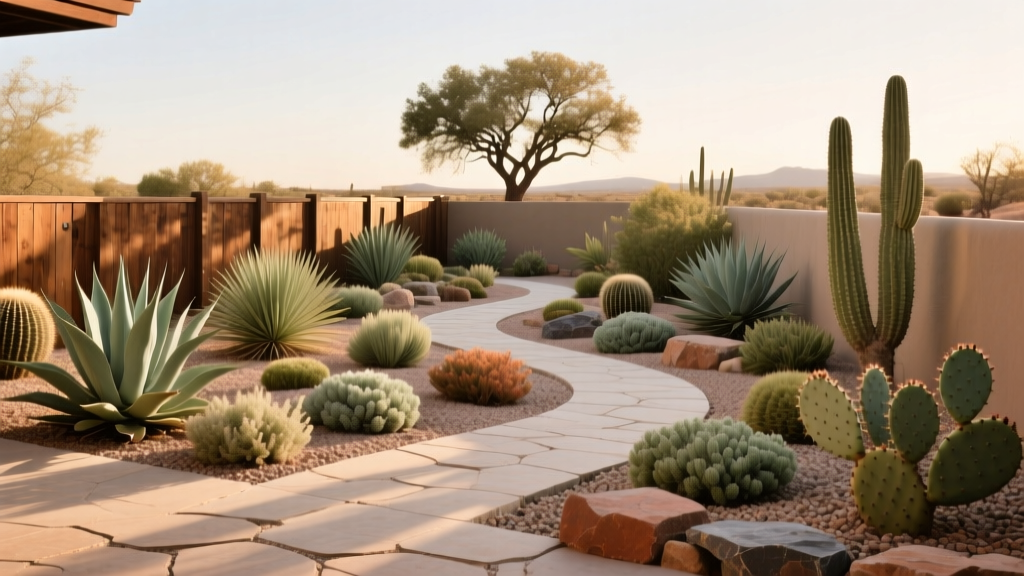
Xeriscaping in the Southwest: Drought-Tolerant Design
Emily WatsonPublished
Mastering Xeriscaping in the American Southwest
The American Southwest is defined by its breathtaking desert vistas, intense solar radiation, and scarce precipitation. For homeowners in regions like Arizona, New Mexico, Nevada, and West Texas, traditional turfgrass lawns are not just an ecological mismatch; they are a financial and environmental burden. Xeriscaping—a landscaping philosophy that reduces or eliminates the need for supplemental irrigation—is the premier solution for regional, climate-specific landscape design.
According to the Environmental Protection Agency (EPA), landscape irrigation accounts for nearly one-third of all residential water use, translating to nearly 9 billion gallons per day nationwide. In arid Southwestern climates, this figure can surge to 60% of total household water consumption during peak summer months. By transitioning to a well-planned xeriscape, homeowners can reduce outdoor water use by 50% to 75% while cultivating a vibrant, biodiverse outdoor living space that thrives in the heat.
The Core Principle: Strategic Hydrozoning
The foundation of any successful Southwestern landscape is hydrozoning. This design principle involves grouping plants with similar water, sun, and soil requirements together, and matching them to the natural microclimates of your property. The Texas A&M AgriLife Extension emphasizes that failing to hydrozone is the leading cause of plant mortality in desert landscapes, as it leads to overwatering drought-tolerant species or underwatering thirsty ones.
Zone 1: The Oasis Zone
This zone is located immediately adjacent to your home, patio, or outdoor living areas where you spend the most time. It can include higher-water-use plants, such as citrus trees, tropical hibiscus, or small patches of drought-tolerant turf like Bermuda or Zoysia. Because it is close to the house, it benefits from roof runoff and provides a cooling effect to your home's microclimate through evapotranspiration.
Zone 2: The Transition Zone
Moving outward, the transition zone bridges the gap between the lush oasis and the native desert. This area relies on moderate irrigation and features hardy, low-water shrubs and perennials. Plants like Lantana, Salvia, and Texas Ranger thrive here, providing seasonal color and attracting local pollinators without demanding constant moisture.
Zone 3: The Arid or Desert Zone
The perimeter of your property should be reserved for the most drought-tolerant, native species. Once established, plants in this zone should survive entirely on natural rainfall. Agave, Ocotillo, and native mesquite trees belong here, serving as a beautiful, low-maintenance boundary that blends seamlessly into the surrounding wild desert.
Hardscaping for Extreme Heat and Sun
In the Southwest, hardscaping is just as critical as softscaping. However, material selection must account for extreme thermal gain and the albedo effect. Dark-colored materials, such as black river rock or dark asphalt, absorb and radiate heat, which can scorch nearby plants and increase your home's cooling costs.
- Decomposed Granite (DG): A staple of Southwest design, 3/8-inch minus DG compacts well, allows for permeable water drainage, and reflects light. For a professional finish, lay down a commercial-grade geotextile weed fabric, add a 2-inch base of crushed road base, compact it, and then apply a 2-inch top layer of DG. It costs approximately $40 to $60 per ton, making it highly economical for large pathways.
- Flagstone and Sandstone: Natural, light-colored stone patios stay cooler underfoot. Use permeable jointing sand or small pea gravel between stones to allow rainwater to percolate into the soil rather than running off into storm drains.
- Avoid Artificial Turf: While it saves water, synthetic turf can reach surface temperatures exceeding 160°F in the July sun, creating a dangerous heat island effect and melting the soles of shoes. If you must use it, limit it to small, fully shaded areas under ramadas or covered patios.
Top Drought-Tolerant Plants for Southwest Xeriscapes
Selecting the right flora is paramount. Native and desert-adapted plants have evolved deep taproots, waxy leaf cuticles, and specialized photosynthesis pathways (CAM) to survive extreme heat. Below is a curated selection of high-performing landscape plants for USDA Hardiness Zones 7 through 10.
| Plant Name | Botanical Name | Mature Size | Sun Exposure | Water Needs (Established) |
|---|---|---|---|---|
| Texas Ranger | Leucophyllum frutescens | 5-8 ft tall/wide | Full Sun | Very Low (Deep soak monthly) |
| Parry's Agave | Agave parryi | 2-3 ft tall/wide | Full to Part Sun | None (Rainwater only) |
| Autumn Sage | Salvia greggii | 2-3 ft tall/wide | Full Sun | Low (Bi-weekly deep soak) |
| Ocotillo | Fouquieria splendens | 15-20 ft tall | Full Sun | None (Rainwater only) |
| Desert Willow | Chilopsis linearis | 15-25 ft tall | Full Sun | Low (Monthly deep soak) |
Overcoming Caliche Soil Challenges
One of the most formidable obstacles in Southwestern landscaping is caliche—a hard, cement-like layer of calcium carbonate that binds soil particles together. Caliche prevents water drainage and restricts root penetration, leading to root rot and stunted growth.
When digging a planting hole in caliche, you risk creating a 'bathtub effect.' If you dig through the caliche layer and backfill with loose, organic potting soil, water will collect in the hole, drowning the plant's root system. To combat this, landscape architects recommend planting slightly above grade. Mound the native soil and amended compost 6 to 12 inches above the surrounding grade, and use a retaining boulder or rip-rap edge to hold the berm in place. This ensures the root crown stays dry while allowing roots to expand laterally. Over time, applying agricultural gypsum can help flocculate the clay and calcium, slowly breaking down the caliche layer.
Precision Drip Irrigation Specifications
Spray heads and oscillating sprinklers are highly inefficient in the desert due to rapid evaporation and wind drift. The Water - Use It Wisely campaign strongly advocates for subsurface or low-volume drip irrigation, which delivers water directly to the root zone at an efficiency rate of over 90%.
Emitter Selection and Placement
- Shrubs and Perennials: Use 1.0 GPH (Gallons Per Hour) pressure-compensating emitters from brands like Netafim or Rain Bird. Place two emitters per shrub, spaced 12 inches from the trunk, to encourage wide, stabilizing root growth.
- Trees (Mesquite, Palo Verde): Use 2.0 GPH emitters or low-volume bubblers. As the tree canopy expands, move the emitters outward to the drip line. A mature desert tree may require a grid of 6 to 8 emitters running for 4 to 6 hours once every three weeks during the peak of summer.
- Agave and Cacti: Use a temporary drip line for the first year of establishment, then remove it entirely. Desert succulents are highly susceptible to fungal pathogens and root rot if kept constantly moist.
Cost Analysis and Long-Term ROI
While the initial installation cost of a xeriscape can be comparable to or slightly higher than traditional sod installation (due to hardscaping and mature specimen plants), the return on investment is realized rapidly through water savings and reduced maintenance. Below is a comparative 5-year cost analysis for a 1,000-square-foot front yard in a typical Southwest suburb.
| Expense Category | Traditional Turf Lawn | Xeriscape (DG & Native Plants) |
|---|---|---|
| Initial Installation | $1,500 | $3,500 |
| Annual Water Cost | $450 / year | $60 / year |
| Annual Maintenance (Mowing/Fertilizer) | $600 / year | $150 / year |
| 5-Year Total Cost | $6,750 | $4,550 |
As demonstrated, the xeriscape pays for its initial premium within three years. Furthermore, many Southwestern municipalities offer aggressive turf-replacement rebates, paying homeowners up to $3.00 per square foot of grass removed, which can instantly offset the installation costs of your new drought-tolerant landscape.
Conclusion
Embracing xeriscaping in the American Southwest is not about settling for a barren, rocky yard. It is an opportunity to work in harmony with the regional climate, utilizing architectural succulents, vibrant native wildflowers, and elegant stonework to create a dynamic, year-round landscape. By adhering to the principles of hydrozoning, amending for caliche, and utilizing precision drip irrigation, you can cultivate a stunning outdoor oasis that supports local wildlife and respects the desert's most precious resource: water.

