
Landscaping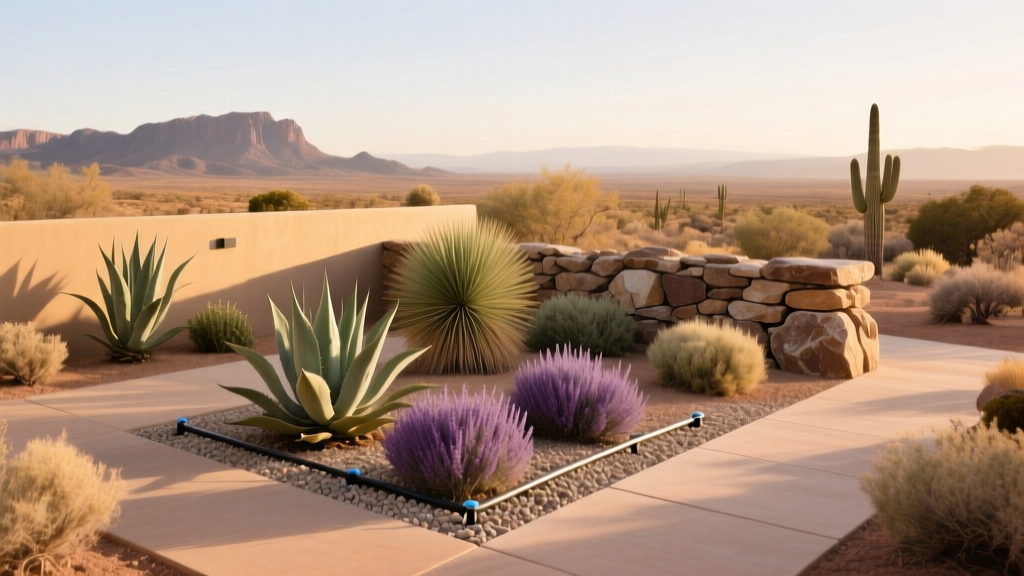
Xeriscaping the Southwest: Drought-Tolerant Landscape Design Guide
Mike RodriguezPublished
Transforming the Arid Landscape: A Southwest Xeriscaping Guide
Landscaping in the American Southwest (USDA Hardiness Zones 8 through 10) presents a unique set of challenges and opportunities. With scorching summer temperatures, intense UV radiation, and annual rainfall often dropping below 10 inches, traditional turf-heavy landscapes are not only environmentally unsustainable but financially draining. According to the EPA WaterSense program, outdoor water use can account for up to 60% of a household's total water consumption in arid regions. By embracing xeriscaping—a landscape design philosophy centered on water conservation—homeowners in Arizona, Nevada, Southern California, and New Mexico can create breathtaking, resilient outdoor living spaces that thrive in the desert.
This comprehensive guide will walk you through the essential principles of regional, climate-specific xeriscaping, from conquering difficult desert soils to selecting the right hardscape materials and installing precision irrigation systems.
Conquering Caliche: Soil Preparation in the Desert
Before you plant a single shrub or lay a single flagstone, you must address the soil. Much of the Southwest is plagued by 'caliche'—a hard, cement-like layer of calcium carbonate that sits just inches below the topsoil. Caliche prevents water penetration, suffocates roots, and causes dangerous runoff during rare monsoon storms.
Testing and Amending
To test for caliche, dig a 12-inch deep hole and fill it with water. If the water does not drain completely within an hour, you have a caliche problem. To remedy this:
- Physical Removal: For small garden beds, use a pickaxe or jackhammer to break through the caliche layer, allowing for proper drainage.
- Soil Amendment: Once broken, mix the native soil with 30% expanded shale and 20% high-quality organic compost. Expanded shale improves aeration and drainage without breaking down over time like peat moss.
- Acidification: Desert soils are highly alkaline (pH 8.0+). Apply elemental sulfur at a rate of 1 pound per 100 square feet to gently lower the pH, making vital micronutrients like iron and zinc available to your plants.
Hydrozoning: The Core of Southwest Xeriscaping
Hydrozoning is the practice of grouping plants with similar water and sunlight requirements together. This prevents the common mistake of overwatering drought-tolerant succulents just to keep a nearby thirsty fern alive.
- Zone 1 (The Oasis): Located near patios, entryways, or shaded courtyards. This zone receives regular irrigation and features higher-water-use plants that provide lush color and cooling effects.
- Zone 2 (The Transition): The middle ground. Plants here are watered occasionally and rely heavily on rainfall supplemented by deep, infrequent irrigation.
- Zone 3 (The Desert Edge): The perimeter of your property. These plants are entirely native, fully established, and survive on natural rainfall alone once mature.
Selecting the Right Flora: A Desert Plant Palette
When selecting plants, always cross-reference with the USDA Plants Database to ensure the species are native or naturalized to your specific county. Here are three powerhouse plants for the Southwest landscape:
1. Texas Ranger (Leucophyllum frutescens)
Often called the 'Barometer Bush,' this evergreen shrub bursts into vibrant purple or pink blooms just before the monsoon rains arrive. It thrives in reflected heat, making it perfect for planting along south-facing walls or driveways. Mature Size: 5-8 feet tall and wide. Watering: Deep soak every 14 days in summer.
2. Desert Willow (Chilopsis linearis)
Despite its name, this is not a true willow but a deciduous tree native to the Southwest. It features beautiful orchid-like flowers from late spring through early fall, attracting hummingbirds and providing dappled shade for understory plantings. Mature Size: 15-25 feet. Watering: Deep soak monthly once established.
3. Parry’s Agave (Agave parryi)
A structural, architectural succulent that forms tight, artichoke-like rosettes of blue-gray leaves. It is highly cold-tolerant (down to 10°F), making it ideal for high-desert regions like Flagstaff or Santa Fe. Mature Size: 2 feet tall, 3 feet wide. Watering: Virtually none once established.
Pro Timing Tip: Never plant trees or large shrubs in the peak of a Southwest summer (June-August). The optimal planting window is October through November, allowing roots to establish in the warm soil before the explosive growth of spring and the brutal heat of the following summer.
Hardscaping and Inorganic Mulching
In humid climates, organic wood chips are the standard mulch. In the Southwest, organic mulches can blow away in high winds, degrade rapidly under intense UV rays, and even become fire hazards during dry seasons. Instead, rely on inorganic mulches and strategic hardscaping.
Decomposed Granite (DG)
Decomposed granite is a staple of Southwest pathways and patios. For high-traffic areas, use 3/8-inch minus DG mixed with a polymeric sand stabilizer like Gator Dust. This binds the granite together, creating a permeable, natural-looking surface that resists erosion and weed growth while allowing rainwater to percolate into the soil.
River Rock and Boulders
Using local river rock (such as Mojave Gold or Salt-and-Pepper gravel) as a 2-to-3-inch top dressing around succulents and cacti helps retain soil moisture, keeps root zones cool, and prevents soil erosion during heavy summer microbursts. Always lay down a high-quality, permeable geotextile weed barrier beneath the gravel to prevent invasive weeds like Bermuda grass from pushing through.
Precision Irrigation: Drip Systems and Smart Controllers
Sprinkler systems are highly inefficient in the desert due to rapid evaporation and wind drift. Subsurface or low-volume drip irrigation is the gold standard. According to the Water – Use It Wisely campaign, converting from spray sprinklers to drip irrigation can reduce outdoor water use by up to 50%.
- Emitters: Use pressure-compensating emitters like the Rain Bird XERI-BUG. For small shrubs, use 1.0 Gallons Per Hour (GPH); for mature trees, use multiple 2.0 GPH emitters spaced around the drip line.
- Dripline: For groundcover beds or dense plantings, use Netafim Techline CV, which features built-in check valves to prevent drainage and features copper-lined emitters to prevent root intrusion.
- Smart Controllers: Upgrade to a Weather-Based Irrigation Controller (WBIC) like the Rachio 3. These controllers connect to local Wi-Fi and automatically adjust watering schedules based on real-time local evapotranspiration (ET) data, skipping cycles during monsoon rains.
Cost Breakdown and Long-Term ROI
While the initial installation cost of a xeriscape can be higher than laying sod, the return on investment (ROI) is realized quickly through slashed water bills and eliminated maintenance. Below is a comparison of traditional turf versus a Southwest xeriscape over a 5-year period for a 1,000 sq. ft. area.
| Metric | Traditional Bermuda Turf | Southwest Xeriscape |
|---|---|---|
| Initial Installation Cost | $1,200 - $1,800 | $6,000 - $10,000 |
| Annual Water Cost (Avg) | $650 / year | $120 / year |
| Annual Maintenance Cost | $800 (Mowing, Fertilizer) | $150 (Pruning, Weeding) |
| 5-Year Water + Maint. Total | $7,250 | $1,350 |
| 5-Year Cumulative Cost | $9,050 | $11,350 - $13,350 |
As the table illustrates, the xeriscape begins to break even around year 6 or 7. However, many Southwest municipalities offer aggressive turf-removal rebates (often paying $2 to $3 per square foot of grass removed), which can instantly cut the initial xeriscape installation cost in half, accelerating your ROI to just 2 or 3 years.
Conclusion
Xeriscaping in the Southwest is not about creating a barren, sterile desert wasteland; it is about working in harmony with the regional climate to cultivate a vibrant, ecologically responsible landscape. By amending caliche soil, implementing strict hydrozoning, utilizing native flora, and installing smart drip irrigation, you can design an outdoor space that is as resilient as it is beautiful. Embrace the unique character of the desert, and let your landscape reflect the true spirit of the American Southwest.

