Pest Control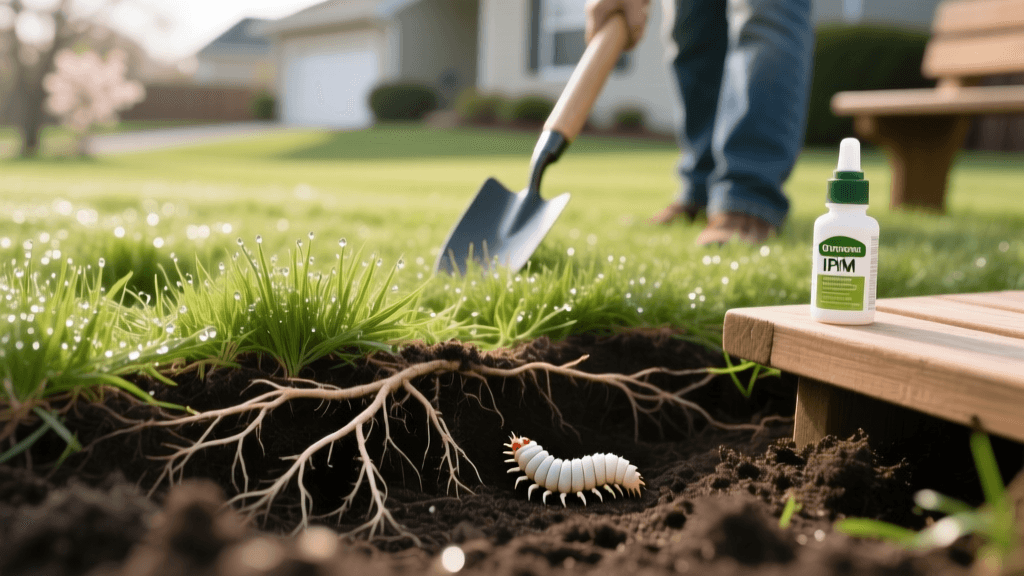
Spring White Grub Prevention and Lawn Health Recovery
Understanding White Grubs and Seasonal Lawn Health
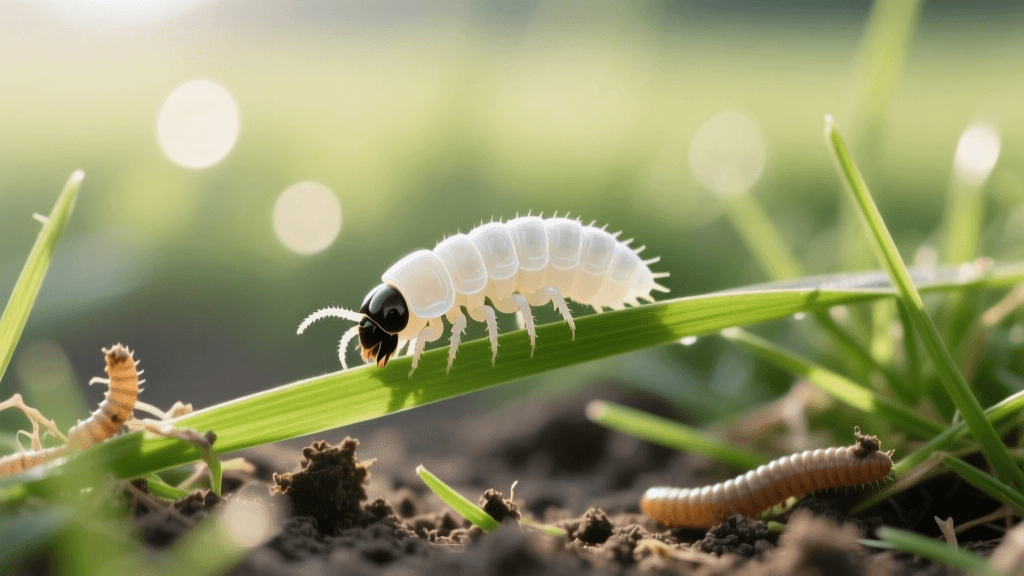
White grubs are the soil-dwelling larvae of scarab beetles, including Japanese beetles, European chafers, and June bugs. While a few grubs in the soil are a normal part of a healthy lawn ecosystem, an overpopulation can lead to catastrophic root pruning, turning lush green turf into brown, easily detachable patches. From a seasonal maintenance perspective, spring is the most critical time to assess lawn health, evaluate the damage from the previous fall, and implement preventative Integrated Pest Management (IPM) strategies before the summer egg-laying season begins. By aligning your pest control methods with the natural life cycle of these insects and focusing on overall turf vigor, you can maintain a resilient lawn that naturally resists severe damage.
Identifying the Culprit: Species Matters
Not all grubs are created equal, and their seasonal timelines vary slightly depending on the species. Correct identification is the first step in seasonal pest management:
- Japanese Beetles: Adults emerge in late June and July. Their grubs feed heavily in late summer and early fall, causing the most visible damage in September.
- European Chafers: Adults fly in May and June, often swarming at twilight. Their grubs are highly destructive and can feed later into the winter during mild spells, causing severe spring damage.
- June Bugs (May/June Beetles): These have a one-to-three-year life cycle. Their grubs are larger and can cause damage over multiple seasons, requiring longer-term monitoring.
The Seasonal Life Cycle and Timing Your Interventions
To effectively manage grubs, you must understand their seasonal rhythms. Adult beetles emerge in early summer, mate, and lay eggs in the soil. These eggs hatch in mid-to-late summer, and the young grubs (first and second instars) begin feeding aggressively on grass roots. As autumn temperatures drop, they burrow deep below the frost line to overwinter. In the spring, they return to the root zone to feed briefly before pupating into adults.
Many homeowners make the mistake of applying curative grub killers in the spring. However, spring grubs are large, mature, and highly resistant to most pesticides. Furthermore, they are preparing to pupate, meaning their feeding window is very short. The most effective chemical and biological interventions are timed for early summer (to target hatching eggs and vulnerable young grubs) or early fall (to target active feeders before winter). Spring maintenance should instead focus on cultural health, soil assessment, and the application of long-residual preventatives.
Assessing Lawn Health: The Spring Dig Test
Before purchasing any pest control products, assess the actual health of your lawn and the presence of grubs. Secondary damage from animals like skunks, raccoons, and crows tearing up the turf in search of grubs is often more destructive than the insects themselves. To determine if you have a threshold-level infestation, perform the Spring Dig Test:
- Choose an area of the lawn that showed stress, browning, or animal digging damage in the previous fall or early spring.
- Using a flat-edged spade, cut a 1-foot by 1-foot square of turf on three sides, about 3 inches deep.
- Peel back the turf like a carpet and inspect the soil and root zone.
- Count the number of C-shaped, white grubs with brown heads.
- Replace the turf and water it heavily to encourage re-rooting.
The Threshold: According to Cornell University Extension, a healthy, well-maintained lawn can tolerate up to 10 grubs per square foot without showing visible damage. If you count more than 10 to 15 grubs per square foot in multiple test areas, a targeted treatment plan is necessary for the upcoming season.
Spring Preventative vs. Curative Treatments
When planning your seasonal pest control calendar, you must choose between preventative and curative strategies. Preventatives are applied before the damage occurs and are generally safer for the environment and non-target organisms. Curatives are used as an emergency rescue treatment when an active, damaging infestation is discovered in late summer or fall.
| Treatment Strategy | Active Ingredient / Agent | Optimal Seasonal Timing | Mode of Action | Est. Cost per 1,000 sq. ft. |
|---|---|---|---|---|
| Preventative (Chemical) | Chlorantraniliprole (e.g., Scotts GrubEx1, Acelepryn) | Early to Mid-Spring (April - May) | Stops early instar larval development; very low toxicity to bees and earthworms. | $0.12 - $0.18 |
| Preventative (Chemical) | Imidacloprid / Thiamethoxam (e.g., Merit) | Late Spring to Early Summer (June) | Systemic; absorbed by roots to kill young grubs. Toxic to pollinators if applied to blooming weeds. | $0.10 - $0.15 |
| Curative (Chemical) | Trichlorfon (e.g., Dylox 6.2) | Late Summer to Early Fall (Aug - Sept) | Contact and stomach poison; degrades quickly in soil (high pH reduces efficacy). | $0.15 - $0.25 |
| Biological Control | Heterorhabditis bacteriophora (Hb Nematodes) | Late Summer (Aug - Sept) when soil is >60F | Parasitic; infects and kills grubs within 48 hours using symbiotic bacteria. | $0.40 - $0.60 |
Expert Insight: According to Purdue University Extension entomologists, Chlorantraniliprole (the active ingredient in Scotts GrubEx1) is currently the gold standard for preventative grub control. It requires early spring application (April to early May) because it takes several weeks to move into the soil profile and requires the grubs to ingest it. It is highly favored in IPM programs because it spares beneficial insects, earthworms, and pollinators.
Cultural IPM: Watering and Mowing for Turf Health
A core tenet of Integrated Pest Management is making the environment less hospitable to pests while promoting the health of the host plant. Grubs thrive in moist, shallow-rooted soils. By altering your seasonal maintenance habits, you can naturally suppress grub populations and help your grass outgrow minor root damage.
Strategic Summer Irrigation
Adult female beetles seek out lush, well-irrigated lawns to lay their eggs in July and August. If you allow your lawn to go slightly dormant or reduce irrigation during this specific egg-laying window, the soil will dry out in the top inch, causing a significant percentage of grub eggs to desiccate and die before they hatch. While this may result in temporary summer browning, deep-rooted, healthy turf will recover rapidly once fall rains arrive, and you will have drastically reduced your grub population without chemicals.
Mowing Height and Root Depth
There is a direct correlation between mowing height and root depth. Lawns mowed at 3.5 to 4 inches develop deeper, more extensive root systems. A massive root system can sustain the loss of some roots to grub feeding without showing visible surface stress. Furthermore, taller grass shades the soil surface, making it less attractive to egg-laying beetles who prefer warm, sunlit soil.
Biological Controls: Nematodes and Milky Spore
For homeowners committed to organic lawn care, biological controls offer excellent seasonal alternatives to synthetic chemicals.
- Beneficial Nematodes (Hb strain): Heterorhabditis bacteriophora are microscopic worms that actively hunt grubs in the soil. They must be applied in late summer when the grubs are young and soil temperatures are consistently above 60 degrees Fahrenheit. Because they are living organisms, they must be watered in immediately and the soil must be kept moist for at least a week. Expect to pay around $40 to $60 to treat a standard 5,000 square foot lawn.
- Milky Spore (Paenibacillus popilliae): This is a naturally occurring bacterium that specifically targets Japanese beetle grubs. It is applied in a grid pattern across the lawn. While it can take two to three years to build up in the soil to effective levels, a successful establishment can provide 10 to 15 years of biological control. Note that Milky Spore is entirely ineffective against European chafers and June bugs.
Seasonal Recovery: Repairing Damaged Turf
If your spring dig test reveals severe historical damage, or if your lawn is failing the tug test (where the grass pulls up like loose carpet due to severed roots), seasonal recovery protocols must be initiated immediately.
- Remove Dead Material: Use a heavy thatching rake to remove dead grass and debris, exposing the soil.
- Aerate and Topdress: Core aeration relieves soil compaction, allowing oxygen and water to reach the remaining roots. Follow up with a thin layer of compost topdressing.
- Overseed with Endophyte-Enhanced Grasses: When overseeding damaged patches, choose grass species that are naturally resistant to pests. Tall fescue and perennial ryegrass varieties that contain beneficial endophytes (naturally occurring fungi that live inside the grass blade) produce alkaloids that deter surface-feeding insects and make the plant more resilient to environmental stress.
- Apply a Starter Fertilizer: Use a high-phosphorus starter fertilizer (such as a 24-25-4 blend) to encourage rapid root development in the new seedlings, helping them establish before the summer heat and the next generation of grubs arrive.
Conclusion
Effective grub control is not about eradicating every insect from your soil; it is about managing populations below the threshold of economic and aesthetic damage. By combining early spring assessments, targeted preventative treatments like Chlorantraniliprole, smart summer watering practices, and the cultivation of deep-rooted, endophyte-enhanced turfgrass, you can maintain a vibrant, healthy lawn that naturally withstands seasonal pest pressures.