Gardening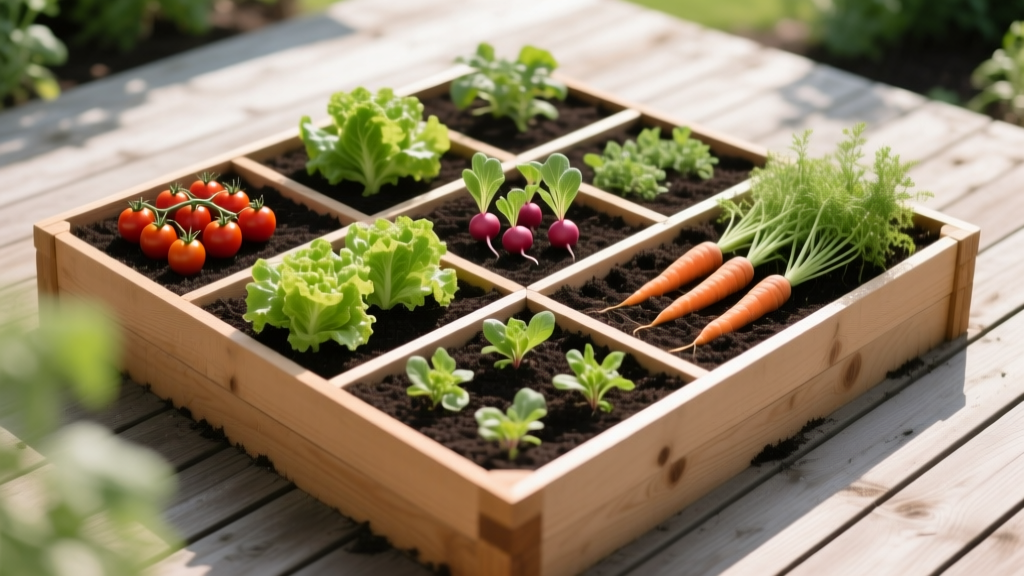
Beginner's Guide to Square Foot Gardening in Raised Beds
Lisa ThompsonPublished
What is Square Foot Gardening?
If you are a beginner looking to grow your own vegetables but feel overwhelmed by the idea of tilling a massive backyard plot, square foot gardening is the perfect solution. Developed by civil engineer Mel Bartholomew in the 1970s and introduced to the world in his 1981 bestselling book, this method revolutionized home food production. According to the Square Foot Gardening Foundation, the method replaces traditional, wasteful row gardening with a highly efficient, grid-based planting system.
The core philosophy is simple: divide a small raised bed into a grid of 1-foot by 1-foot squares, and plant a specific number of seeds or transplants in each square based on the plant's mature size. This approach eliminates the need for thinning, drastically reduces weed growth, conserves water, and yields up to 100% of the harvest of a traditional row garden in just 20% of the space. For beginners, it removes the guesswork from garden planning and provides a clear, actionable roadmap to a bountiful harvest.
Step 1: Selecting and Siting Your 4x4 Raised Bed
The standard square foot garden is a 4-foot by 4-foot raised bed. This specific dimension is not arbitrary; it is designed so that an average adult can easily reach the center of the bed from any side without stepping on the soil. Stepping on garden soil causes compaction, which restricts root growth and reduces drainage.
When choosing materials for your raised bed, avoid pressure-treated lumber that contains harmful chemicals like arsenic or copper, which can leach into your soil. Instead, opt for naturally rot-resistant woods like untreated cedar or redwood. Alternatively, galvanized steel troughs or composite lumber are excellent, long-lasting choices. A standard 4x4 cedar kit typically costs between $100 and $150 at most home improvement stores.
Site selection is critical. Most vegetable crops require full sun, meaning they need at least 6 to 8 hours of direct sunlight per day. Observe your yard throughout the day to find a spot free from the shadows of large trees, fences, or your house. Additionally, ensure your bed is placed relatively close to a water source and your kitchen door; the closer your garden is to your daily routine, the more likely you are to maintain it.
Step 2: Mixing the Ultimate Raised Bed Soil
One of the most common mistakes beginners make is filling a raised bed with cheap topsoil or dirt dug up from the yard. According to Penn State Extension, native soil is often too heavy, poorly drained, and full of weed seeds and soil-borne pathogens. Instead, square foot gardening relies on a specific, lightweight, and nutrient-dense soilless mix.
The "Mel's Mix" Recipe
The gold standard for raised bed gardening is "Mel's Mix," a formula consisting of equal parts (by volume) of three ingredients:
- 1/3 Blended Compost: Provides essential nutrients and beneficial microbes. For the best results, blend compost from at least three different sources (e.g., cow manure, mushroom compost, and homemade kitchen compost) to ensure a broad spectrum of minerals.
- 1/3 Peat Moss or Coco Coir: Acts as a moisture-retaining sponge. Coco coir is increasingly preferred by modern gardeners as it is a more sustainable, renewable resource compared to peat moss.
- 1/3 Coarse Vermiculite: A naturally occurring mineral that expands when heated. It keeps the soil light, fluffy, and aerated while holding onto water and nutrients so plant roots can access them as needed.
The Math: A 4x4 foot bed that is 6 inches deep requires exactly 8 cubic feet of soil. Therefore, you will need roughly 2.6 cubic feet of each of the three ingredients. Mix the ingredients thoroughly in a wheelbarrow or on a tarp, adding water as you go until the mixture feels like a wrung-out sponge. University of Maryland Extension emphasizes that properly hydrating peat moss or coir before planting is vital, as dry peat can become hydrophobic and repel water.
Step 3: Building the Grid System
The grid is the visual hallmark of a square foot garden and serves a crucial psychological and practical purpose. It keeps your planting organized and prevents you from accidentally over-sowing seeds. To create your grid, simply lay materials across the top of your 4x4 bed to form 16 individual squares. You can use wooden lath strips, old vinyl window blinds, heavy-duty garden twine tied to nails on the bed frame, or even bamboo stakes. Secure the grid firmly so it doesn't blow away in the wind or get knocked askew when you are watering.
Step 4: Crop Selection and Spacing Guide
Once your grid is in place, it is time to plan your crops. The number of plants you place in a single 1x1 foot square depends entirely on the mature footprint of the plant. Below is a beginner-friendly planting chart detailing some of the easiest and most rewarding crops to grow in a square foot garden.
| Crop | Plants per Square | Days to Maturity | Best Season | Beginner Notes |
|---|---|---|---|---|
| Radishes | 16 | 25-30 Days | Spring / Fall | Sow seeds directly. Harvest quickly before they become woody. |
| Bush Beans | 9 | 50-60 Days | Summer | Direct sow after the last frost. Pick daily to encourage more yields. |
| Leaf Lettuce | 4 | 45-55 Days | Spring / Fall | Harvest outer leaves first to allow the center to keep growing. |
| Swiss Chard | 4 | 50-60 Days | Spring / Summer | Highly heat tolerant. Great for continuous summer harvesting. |
| Determinate Tomatoes | 1 | 70-80 Days | Summer | Transplant seedlings. Add a cage immediately to support heavy fruit. |
| Bell Peppers | 1 | 60-90 Days | Summer | Requires warm soil. Plant in the sunniest squares of your bed. |
Companion Planting Tip: Maximize your garden's health by pairing compatible plants. For example, plant a square of bush beans next to a square of tomatoes. The beans help fix nitrogen in the soil, which heavy-feeding tomatoes appreciate. You can also plant marigolds in the corners of your bed to help deter nematodes and attract beneficial pollinators.
Step 5: Planting, Watering, and Maintenance
Planting in a square foot garden is incredibly precise. Instead of scattering seeds in a long row and later thinning them out (which wastes seeds and disturbs roots), you plant exactly what you need. For crops that require 16 per square (like radishes or carrots), use your finger to poke four shallow holes in each of the four quadrants of the square, dropping one or two seeds into each hole. For crops that require just one per square (like tomatoes or peppers), simply dig a hole in the dead center of the square and plant your transplant.
Because Mel's Mix holds moisture exceptionally well, you will use significantly less water than a traditional garden. However, raised beds do drain faster than in-ground soil, meaning they require more frequent monitoring. Water your garden deeply at the base of the plants early in the morning. Avoid overhead watering, which can splash soil-borne fungal spores onto the leaves of crops like tomatoes, leading to blight. A simple watering can with a rose-head attachment or a drip irrigation system is ideal.
Common Beginner Mistakes to Avoid
Even with a foolproof system, beginners can stumble. Here are three common pitfalls to watch out for:
- Overcrowding the Squares: It is tempting to squeeze two pepper plants into a single square to save space. Resist this urge. Overcrowding leads to poor air circulation, increased disease risk, and lower overall yields due to competition for nutrients.
- Walking on the Soil: The entire premise of the 4x4 bed is that you never have to step inside it. Stepping on the soil compacts the vermiculite and coir, destroying the light, fluffy texture you worked hard to create.
- Forgetting Succession Planting: When your spring radishes are harvested in just 30 days, do not leave the square empty. Pull the roots, add a handful of fresh compost to the square, and immediately replant with a summer crop like bush beans. Continuous planting ensures you get the maximum yield from your small space.
By following these structured steps, even a novice gardener can transform a small 16-square-foot footprint into a highly productive, visually stunning, and deeply rewarding vegetable garden. Square foot gardening proves that you do not need a massive backyard to enjoy the taste of homegrown, fresh produce.
