Tree Care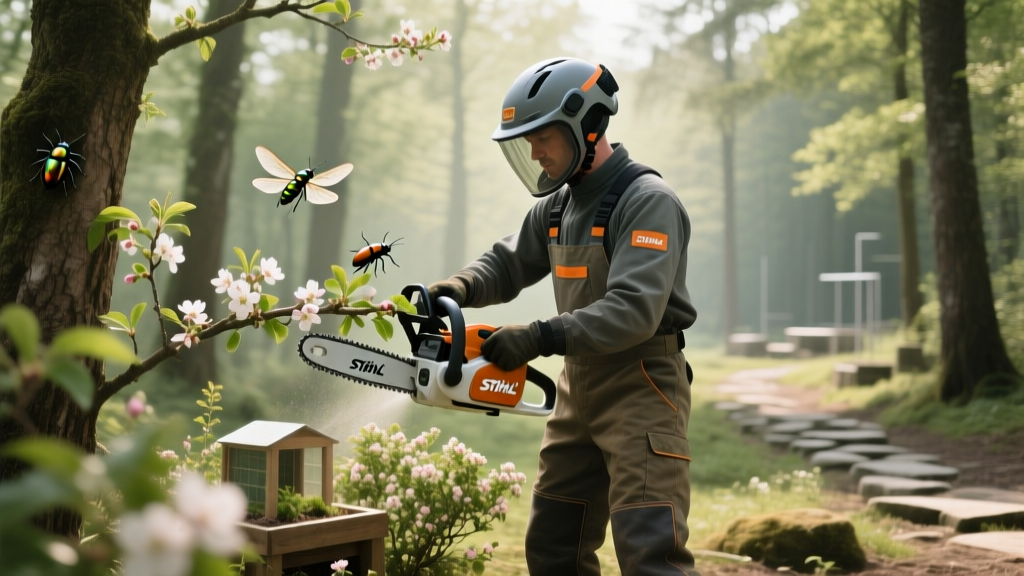
Stihl Chainsaw Safety Gear 2026: Pruning for Beneficial Insects
Lisa ThompsonPublished
The Intersection of Tree Care and Bio-Control
When managing a sustainable landscape in 2026, the integration of bio-control strategies has become a cornerstone of modern arboriculture and garden management. Bio-control, or biological control, relies heavily on the presence of beneficial insects such as parasitic wasps, lady beetles, green lacewings, and predatory mites to naturally manage pest populations without the need for disruptive chemical pesticides. However, these beneficial agents do not simply appear in your garden; they require specific, stable habitats to overwinter, reproduce, and hunt. Trees and shrubs form the structural backbone of these micro-ecosystems. Bark crevices, hollowed trunks, and strategically placed deadwood provide essential shelter for overwintering larvae and adult beneficials. As homeowners and professional arborists increasingly recognize the value of preserving these habitats, the practice of 'habitat pruning' and the deliberate creation of 'wildlife snags' have surged in popularity. Yet, working with deadwood, compromised limbs, and dense brush piles introduces severe physical risks, making premium chainsaw safety gear an absolute necessity.
Identifying Beneficial Insect Overwintering Sites Before You Cut
Before firing up your chainsaw, it is crucial to assess the tree for bio-control value. Many beneficial insects, particularly solitary parasitic wasps and predatory beetles, bore into dead or dying wood to lay their eggs. The larvae then feed on wood-boring pests, acting as a natural regulatory mechanism for your landscape. According to the University of Maryland Extension, preserving standing deadwood (snags) and leaving brush piles in shaded areas of the property can exponentially increase the local population of these beneficial predators. When you identify a dying branch or a compromised tree that poses no immediate threat to structures or power lines, consider converting it into a habitat snag rather than removing it entirely. This involves using a chainsaw to top the tree or remove hazardous lower limbs while leaving the main trunk standing. This process, however, requires precision cutting in unpredictable, brittle wood, elevating the risk of chainsaw kickback and falling debris.
The Unique Dangers of Habitat Pruning and Snag Creation
Creating a wildlife snag or managing a bio-control brush pile is vastly different from standard firewood milling or routine canopy thinning. Deadwood is notoriously brittle, often harboring hidden decay, internal tensions, and erratic grain patterns. When a chainsaw bar pinches in a dead snag, or when a brittle 'widow-maker' branch snaps unexpectedly, the operator is in immediate danger. The Occupational Safety and Health Administration (OSHA) emphasizes that kickback and being struck by falling limbs are the leading causes of severe chainsaw-related injuries. When working in the uneven, brush-choked environments typical of bio-control habitat zones, your footing is often compromised by vines, roots, and decaying logs. In these high-risk scenarios, relying on top-tier personal protective equipment (PPE) is not just a recommendation; it is a critical lifeline. For the 2026 season, Stihl continues to lead the industry in protective apparel, offering specialized helmets and chaps designed to mitigate the exact hazards encountered during advanced habitat management.
Stihl Protective Helmets: 2026 Standards for Arborists
Your head, face, and ears are exceptionally vulnerable when looking up into a canopy to make strategic pruning cuts for beneficial insect preservation. Stihl’s 2026 lineup of protective helmets, particularly the Stihl Advance X-Climb and the Stihl Dynamic Protect series, represent the pinnacle of arborist safety engineering. The Advance X-Climb helmet is favored by professional arborists creating tall habitat snags. It features a highly adjustable, low-profile harness that remains secure even when the operator is navigating steep terrain or climbing. The integrated face shield—available in both high-visibility stainless steel mesh and durable nylon—protects against high-velocity wood chips and snapping twigs without obstructing the downward visibility needed to monitor your footing in brushy bio-control zones. Furthermore, the integrated ear muffs provide crucial noise attenuation. Prolonged exposure to chainsaw frequencies can cause permanent hearing loss, and Stihl’s 2026 acoustic dampening pads ensure you remain aware of your surroundings, such as the crack of a splitting snag, while protecting your auditory health.
Stihl Protective Chaps: Material Science and Fit
While your head is protected from above, your legs are in the direct line of fire from the chainsaw bar, especially when bucking fallen habitat logs or clearing invasive species that threaten native bio-control plants. Stihl protective chaps, such as the Stihl Forest Universal and the Pro Mark series, utilize advanced multi-layer material science to prevent catastrophic leg injuries. The outer shell is constructed from rugged, water-resistant Cordura nylon, designed to withstand the abrasive environment of deadwood and thorny underbrush. Beneath the shell lies the critical safety component: multiple layers of Tek Warp ballistic fibers. In the event of an accidental strike, the chainsaw cuts through the outer shell and pulls the Tek Warp fibers out. These incredibly tough fibers instantly wrap around and clog the chainsaw’s drive sprocket, stalling the chain in a fraction of a second before it can reach the operator's skin. For 2026, Stihl has refined the ergonomic fit of their chaps, offering articulated knee panels and adjustable waist belts that prevent the chaps from riding up or snagging on the very brush piles you are constructing for lacewings and lady beetles. You can explore the full technical specifications of these garments on the Stihl USA Protective Apparel portal.
2026 Stihl Safety Gear Comparison Chart
Selecting the right gear depends on the scale of your bio-control projects. Below is a comparison of the top Stihl safety gear models recommended for habitat pruning in 2026.
| Gear Category | Model Name | Best Use Case in Bio-Control | Key 2026 Features |
|---|---|---|---|
| Helmet System | Stihl Advance X-Climb | Tall snag creation, climbing, steep terrain | Low-profile harness, stainless steel mesh visor, premium acoustic muffs |
| Helmet System | Stihl Dynamic Protect | Ground-level brush pile management, pruning | Lightweight design, wide-field nylon visor, high-visibility orange accents |
| Leg Protection | Stihl Forest Universal Chaps | General bucking of deadwood, clearing invasives | 6-layer Tek Warp core, water-resistant shell, adjustable waist |
| Leg Protection | Stihl Pro Mark Full Wrap Pants | All-day habitat management, heavy brush navigation | 360-degree leg protection, breathable ventilation zones, articulated knees |
Pruning Strategies to Protect Beneficial Insects
Timing and technique are everything when pruning for bio-control. To avoid disrupting active populations of beneficial insects, major structural pruning and snag creation should be performed in late winter, just before the spring emergence of parasitic wasps and predatory beetles. When making cuts, avoid flush cuts against the trunk; instead, leave a small collar or stub. These stubs provide additional entry points for wood-boring insects, which in turn attract the beneficial predators that keep your garden's pest ecosystem in balance. When felling a compromised tree to create a log pile for ground-delling beetles, always plan your escape route meticulously. Dead trees do not fall with the predictable hinge mechanics of live timber; they often shatter or barber-chair. Wearing your Stihl helmet and chaps ensures that if a cut goes wrong, your PPE acts as the ultimate failsafe.
Maintaining Your Safety Gear for the 2026 Season
Chaps and helmets exposed to the harsh conditions of habitat management require diligent maintenance. After a day of cutting deadwood and navigating brush, inspect your Stihl chaps for embedded sap, dirt, and debris. Never machine wash or dry clean Tek Warp chaps, as harsh detergents and heat can degrade the ballistic fibers, rendering them useless in an emergency. Instead, brush off dry debris and hand-wash the outer shell with mild soap and cold water, allowing them to air dry away from direct UV sunlight. For your helmet, regularly inspect the nylon or steel mesh visor for warping or rust, and check the plastic shell for micro-fractures caused by falling deadwood. Replace the helmet immediately if it has sustained a significant impact, as the structural integrity of the polycarbonate or ABS shell may be compromised.
Conclusion
Embracing bio-control by preserving tree habitats for beneficial insects is a highly rewarding approach to sustainable landscaping. However, the physical act of managing deadwood, snags, and brush piles demands profound respect for chainsaw safety. By equipping yourself with Stihl’s 2026 protective helmets and chaps, you ensure that your efforts to nurture nature do not come at the cost of your own well-being. Stay safe, cut smart, and let the beneficial insects thrive in the habitats you securely create.
