Tree Care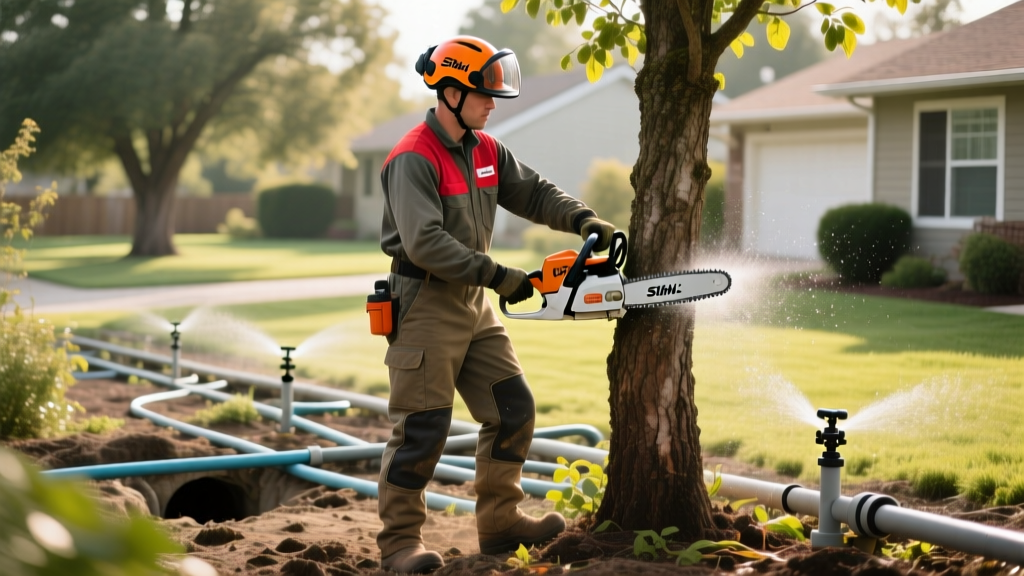
2026 Stihl Chainsaw Safety Gear: Pruning Trees Near Irrigation Zones
David ParkPublished
The Intersection of Tree Care and Irrigation Systems
When maintaining a pristine landscape, the intersection of mature tree care and underground sprinkler systems presents unique challenges for homeowners and professional arborists alike. In 2026, modern lawn irrigation systems are more complex than ever, utilizing intricate networks of PVC pipes, polyethylene drip lines, and smart valve boxes to keep turf lush and healthy. However, this constant supply of moisture creates a prime environment for aggressive tree root growth. According to the Arbor Day Foundation, tree roots are naturally drawn to the moisture and oxygen found near leaking or condensing irrigation lines. When roots infiltrate these zones, arborists are often forced to use chainsaws for precise root pruning, stump grinding preparation, or the removal of hazardous overhanging limbs that threaten irrigation control boxes.
Operating a chainsaw in an irrigated environment introduces severe safety hazards. The soil near sprinkler heads and drip emitters is frequently saturated, creating slippery surfaces on both turf grass and exposed mud. A slip while operating a high-torque chainsaw can lead to catastrophic kickback or direct leg strikes. This is why investing in premium chainsaw safety gear, specifically the 2026 lineup of Stihl protective chaps and forestry helmets, is an absolute necessity for anyone performing tree work near active or dormant irrigation zones.
Why 2026 Stihl Protective Chaps Are Non-Negotiable
Standard chainsaw chaps are designed for dry, wooded environments. When used in a heavily irrigated lawn, traditional chaps can absorb water, fertilizer residue, and mud, becoming excessively heavy and potentially compromising the integrity of the inner ballistic layers. The 2026 Stihl ProMark Forestry Chaps have been engineered to solve this exact problem. Featuring a highly durable, water-repellent polyester outer shell, these chaps shed moisture from sprinkler overspray and wet soil, keeping the operator dry and the protective layers uncompromised.
The core of the Stihl protective chaps relies on advanced Avertic Pro technology. In the event of a chainsaw strike to the leg, the outer shell is cut, allowing the inner layers of specially designed ballistic fibers to be pulled out by the chainsaw's drive sprocket. These fibers instantly wrap around the sprocket and clutch, jamming the mechanism and stopping the chain within fractions of a second. This rapid-stopping technology is critical when working around hard, buried irrigation components like Schedule 40 PVC pipes or concrete valve boxes, which can cause the chainsaw bar to deflect violently if accidentally struck during root excavation.
Layering and Mobility in Tight Irrigation Trenches
Pruning roots inside a narrow irrigation trench requires a high degree of mobility. The 2026 Stihl Forestry Lite Chaps offer a streamlined, multi-layer construction that provides Class 2 chainsaw protection (withstanding chain speeds up to 31 m/s) without the bulk of traditional logger gear. This enhanced mobility allows arborists to navigate tightly packed sprinkler zones, step carefully over exposed drip lines, and maintain a balanced stance on uneven, water-logged terrain.
Stihl Forestry Helmets: Vision and Hearing Protection in Wet Zones
Head and face protection are equally vital when managing tree canopies that overshadow irrigation zones. The microclimate beneath a dense tree canopy, combined with the humidity generated by a recently activated sprinkler system, can cause standard plastic face shields to fog up almost instantly. The 2026 Stihl Forestry Helmet System utilizes a stainless steel mesh visor that provides excellent debris protection while remaining completely immune to fogging. This ensures the operator maintains clear, unobstructed vision of the ground below, allowing them to spot fragile sprinkler heads, backflow preventers, and uneven terrain before making a cut.
Furthermore, the acoustic environment near irrigation hardscapes can be surprisingly dangerous. The sound of a gas-powered or high-voltage battery chainsaw reverberating off hard plastic valve boxes and retaining walls can cause long-term hearing damage. Stihl helmets are equipped with adjustable, acoustic-dampening ear muffs that reduce noise exposure by up to 25 dB, meeting all 2026 occupational safety standards for prolonged equipment use.
Comparison Chart: 2026 Stihl Chainsaw Chaps for Wet Environments
| Feature | Stihl ProMark Forestry Chaps | Stihl Forestry Lite Chaps | Stihl Woodcutter Chaps |
|---|---|---|---|
| Outer Shell Material | Water-Repellent Polyester | Lightweight Nylon Blend | Standard Polyester |
| Ballistic Technology | Avertic Pro (6-Ply) | Avertic (4-Ply) | Standard Ballistic Core |
| Best Use Case | Heavy root pruning in muddy, active irrigation zones | Navigating tight drip-line trenches and delicate sprinkler heads | Dry stump grinding away from main water lines |
| Moisture Resistance | High (Sheds water and fertilizer) | Moderate (Dries quickly) | Low (Absorbs moisture) |
| Approx. 2026 Price | $165.00 | $125.00 | $85.00 |
Recognizing Irrigation-Specific Kickback Hazards
Kickback occurs when the moving chain at the tip of the guide bar strikes an object, causing the saw to rotate violently upward and backward toward the operator. In a standard forest, the primary culprits are other branches or dense logs. In a landscaped irrigation zone, the hazards are entirely different. Buried rocks displaced by frost heave, hardened clumps of clay near valve boxes, and the rigid edges of PVC pipe joints all serve as hidden kickback triggers. When an operator is standing on wet, irrigated Kentucky Bluegrass or Bermuda grass, their footing is already compromised. If kickback occurs, the operator is highly likely to slip, turning a near-miss into a severe laceration. This is why the Occupational Safety and Health Administration (OSHA) mandates the use of cut-resistant leg protection and emphasizes the importance of secure footing in all chainsaw operation guidelines.
Step-by-Step Safety Protocol for Tree Removal Near Sprinkler Lines
To safely execute tree care tasks near your home's irrigation system, follow this strict operational protocol while wearing your 2026 Stihl protective gear:
- Step 1: Map and Mark the Zone. Before starting any chainsaw, use landscape marking paint to identify the locations of all sprinkler heads, valve boxes, and shallow drip lines. Tree roots often wrap tightly around these components, making them invisible beneath the soil.
- Step 2: Depressurize and Drain. Shut off the main water supply to the irrigation system and run a manual cycle to depressurize the lines. Cutting into a pressurized PVC pipe with a chainsaw can result in a high-pressure water geyser that blinds the operator and destroys the saw's electronics or engine.
- Step 3: Establish Dry Footing. Clear away wet grass clippings, mud, and algae from the immediate work area. Lay down a piece of plywood or a specialized arborist work mat near the root zone to provide a stable, non-slip surface for your boots.
- Step 4: Execute Precision Root Pruning. Using a chainsaw with a shorter guide bar (12 to 14 inches is ideal for tight irrigation trenches), carefully sever the roots. Keep the bumper spike firmly planted in the wood to maintain control, and never use the tip of the bar near buried plastic or concrete irrigation components.
Maintaining Your Safety Gear in High-Moisture Zones
Working near sprinkler systems means your Stihl protective chaps will be exposed to more than just water. Irrigation systems frequently distribute liquid fertilizers, soil conditioners, and mild algaecides. If left on the outer shell of the chaps, these chemicals can degrade the water-repellent coating and weaken the fabric over time. After every use in an irrigated zone, wipe down your Stihl chaps with a damp cloth and mild soap. Hang them in a well-ventilated, shaded area to dry completely. Never machine wash or machine dry chainsaw chaps, as the heat and agitation will destroy the ballistic fibers and render the safety gear useless.
Similarly, inspect your Stihl forestry helmet's mesh visor for sap and debris. A clean visor ensures maximum light transmission, which is crucial when working in the deep shadows of a tree canopy over a complex lawn layout. Check the ratchet suspension system regularly to ensure it grips your head securely, even when you are sweating in the humid microclimate of a freshly watered lawn.
Conclusion
The health of your trees and the functionality of your sprinkler system are deeply intertwined. Protecting your irrigation infrastructure often requires aggressive, precise chainsaw work in wet, hazardous environments. By equipping yourself with 2026 Stihl protective chaps and forestry helmets, you mitigate the severe risks of kickback, slips, and debris strikes. Respect the hidden dangers of the irrigation zone, adhere to OSHA safety standards, and invest in the right personal protective equipment to ensure that both your landscape and your body remain intact for years to come.
