Tree Care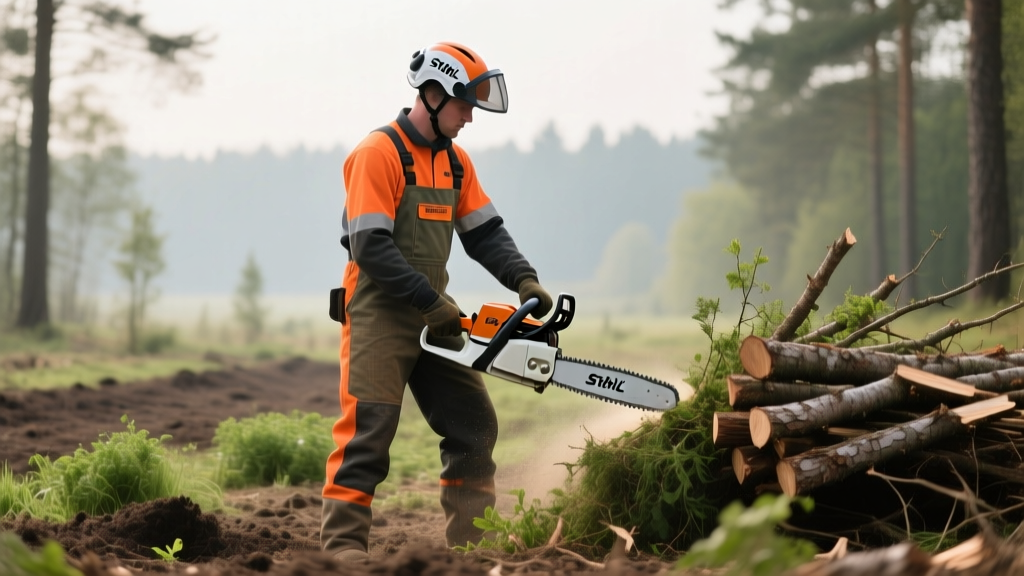
Tree Planting Site Prep: Stihl Chainsaw Safety Gear 2026
Lisa ThompsonPublished
The Intersection of Tree Selection and Land Clearing
Selecting the perfect tree species for your landscape or reforestation project is an exciting endeavor. Whether you are planting a disease-resistant American Elm, establishing a backyard apple orchard, or restoring a native oak woodland, the success of your new trees begins long before the first shovel hits the dirt. Proper site preparation is the cornerstone of any successful tree selection and planting guide. Often, this preparation involves clearing invasive brush, removing competing deadwood, or felling hazard trees that block essential sunlight from reaching your newly planted saplings.
For these heavy-duty tasks, a chainsaw is an indispensable tool. However, operating a chainsaw in the uneven, unpredictable terrain of a planting site requires uncompromising safety measures. According to the Occupational Safety and Health Administration (OSHA), chainsaw-related injuries are a leading cause of landscaping and forestry accidents. In this 2026 guide, we break down the essential Stihl chainsaw safety gear—specifically protective chaps and forestry helmets—that every landowner, arborist, and reforestation volunteer needs when prepping land for new tree plantings.
Why Tree Planting Site Prep Requires Chainsaws
When you consult a tree selection guide, you are likely matching a tree to your site's soil, drainage, and hardiness zone. But what if the site is overgrown? Before you can plant a shade-tolerant understory tree like a Flowering Dogwood, you may need to clear out dense, invasive buckthorn or honeysuckle that choke the soil and steal nutrients. Conversely, if you are planting sun-loving species like Bur Oaks or fruit trees, you may need to fell competing, diseased, or poorly structured canopy trees to create vital 'canopy gaps' that allow sunlight to penetrate to the forest floor.
Clearing old stumps, dropping hazard trees, and limbing fallen deadwood are critical steps in site prep. Because you are often working in tight spaces, navigating around existing root zones, and dealing with unpredictable tension in brush, wearing professional-grade personal protective equipment (PPE) is non-negotiable. The University of Minnesota Extension emphasizes that proper PPE reduces the severity of chainsaw injuries by over 70%, making gear selection just as important as selecting the right tree species.
Stihl Forestry Helmets: Head, Eye, and Ear Protection for 2026
When felling trees to make room for new plantings, the risk of falling branches (widowmakers) and kickback is high. A standard hard hat is insufficient for chainsaw work; you need a dedicated forestry helmet system. In 2026, the Stihl ProMark Forestry Helmet System remains the industry gold standard for land clearing and site preparation.
Key Features of the 2026 Stihl ProMark Helmet
- Impact Resistance: Meets and exceeds ANSI Z89.1-2014 Type I, Class E standards, protecting against falling debris common when dropping large canopy trees.
- Face Shield Options: For brush clearing and invasive species removal, the stainless-steel mesh visor is highly recommended over polycarbonate. Mesh visors do not fog up in humid planting conditions and resist scratching from thorny branches.
- Hearing Protection: Chainsaws operate between 106 and 115 decibels. The integrated Stihl earmuffs offer a Noise Reduction Rating (NRR) of 25, preserving your hearing during long days of site prep.
- Comfort Suspension: The 6-point ratchet suspension ensures a secure fit, even when you are looking down to assess root flares and planting holes.
2026 Pricing Note: Expect to invest between $85 and $110 for a complete Stihl ProMark helmet system with mesh visor and earmuffs, a vital investment for any serious tree planting project.
Stihl Protective Chaps: The Ultimate Leg Defense
The legs and feet are the most common sites for chainsaw injuries, particularly when working on uneven ground or cutting low-lying brush to clear a planting bed. Stihl protective chaps are engineered with multiple layers of cut-retardant materials, such as Avertic fibers or heavy-duty Kevlar. When the outer shell is breached by a moving chainsaw chain, these inner layers are instantly pulled into the saw's drive sprocket, jamming the mechanism and stopping the chain in a fraction of a second.
Choosing the Right Chap Style for Site Prep
Stihl offers two primary styles of chaps in their 2026 lineup, each suited for different phases of tree planting site preparation:
- Stihl ProMark Wrap-Around Chaps: These provide 360-degree protection, wrapping around the back of the calf. They are ideal for navigating dense, overgrown sites where you may be turning quickly, stepping over logs, or dealing with unpredictable brush tension. The 8-ply construction offers maximum protection for heavy felling and stump removal.
- Stihl Woodcutter Apron Chaps: These cover only the front of the legs and are lighter and cooler. They are best suited for light limbing, bucking fallen logs into firewood, and clearing small saplings in open areas where you have clear visibility and stable footing.
According to the Arbor Day Foundation, proper site preparation sets the stage for decades of tree health. However, rushing the clearing process without proper leg protection can turn a rewarding weekend planting project into a medical emergency.
2026 Stihl Safety Gear Comparison Chart
| Gear Model (2026) | Primary Use in Tree Planting Prep | Protection Level / Rating | Est. Price (USD) |
|---|---|---|---|
| Stihl ProMark Helmet System | Felling canopy trees, heavy brush clearing | ANSI Z89.1, NRR 25 | $95.00 |
| Stihl ProMark 8-Ply Wrap Chaps | Uneven terrain, 360° brush removal | ASTM F1897-20, 8 Layers | $115.00 |
| Stihl Woodcutter 6-Ply Apron | Light limbing, open-area sapling clearing | ASTM F1897-20, 6 Layers | $75.00 |
| Stihl ProMark Forestry Gloves | Handling thorny brush, chainsaw grip | Cut Level A4, Puncture Resistant | $45.00 |
Safe Felling Techniques for Canopy Gap Creation
When your tree selection guide dictates that you need full sun for your new plantings, you may have to fell existing, poorly-structured trees. Safe felling requires a methodical approach:
- Assess the Lean: Determine the natural lean of the tree. Use wedges if you need to direct the fall away from your designated planting zones or existing healthy trees.
- Clear the Work Area: Remove tripping hazards, vines, and low brush from the base of the tree before making your first cut.
- Plan an Escape Route: Always clear an escape path at a 45-degree angle backward and away from the direction of the fall. Never retreat directly behind the tree, as the trunk can kick straight back upon hitting the ground.
- The Notch and Back Cut: Use a proper open-faced notch (at least 70 degrees) to guide the tree accurately, leaving adequate hinge wood to control the descent.
Maintaining Your Stihl Safety Gear for Longevity
Investing in high-quality Stihl gear is only effective if the gear is properly maintained. Dirty or degraded PPE will fail when you need it most.
Washing Protective Chaps
Site prep is dirty work. Your chaps will accumulate mud, sap, and sawdust. You can wash Stihl chaps in a standard washing machine using cold water and a mild detergent. Never use bleach or fabric softener, as these chemicals break down the cut-retardant fibers and compromise the chap's ability to jam the chainsaw sprocket. Always air dry them; the heat from a dryer will melt the synthetic protective layers.
Helmet Replacement Timelines
Forestry helmets are subjected to intense UV radiation and temperature fluctuations, which degrade the plastic shell over time. Stihl recommends replacing your forestry helmet every 3 to 5 years, regardless of visible damage. Check the manufacturing date stamped inside the shell. If you are prepping land in 2026 and your helmet was manufactured in 2020, it is time for an upgrade.
Conclusion
Successful tree planting is a marriage of thoughtful species selection and rigorous site preparation. By clearing competing vegetation and hazard trees, you give your new saplings the light, water, and soil access they need to thrive for generations. However, the chainsaw work required to achieve this pristine planting site carries inherent risks. Equipping yourself with 2026-standard Stihl protective chaps and a certified forestry helmet ensures that your land restoration and tree planting projects remain safe, efficient, and rewarding from the first cut to the final backfilled hole.