Tree Care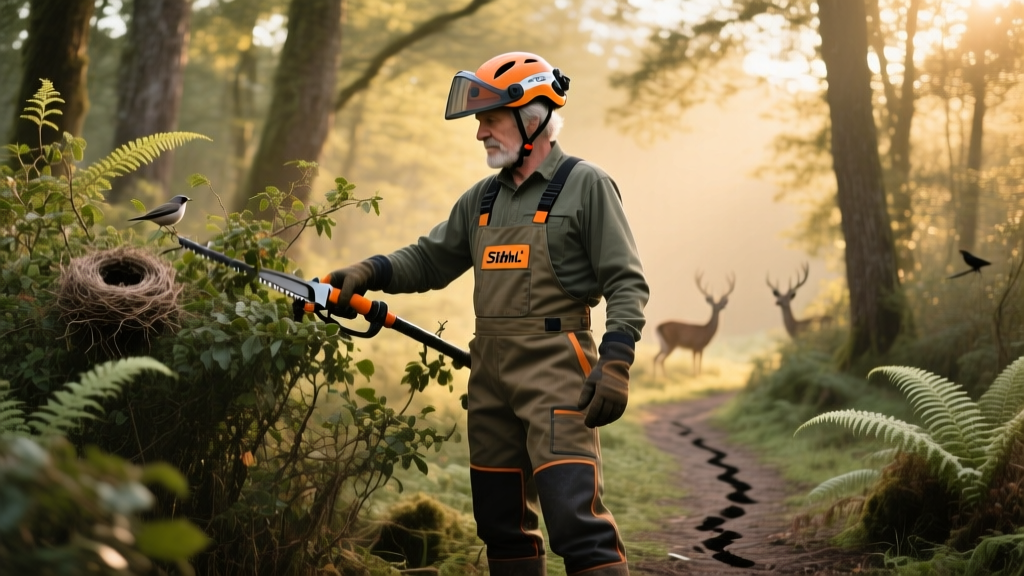
Stihl Safety Gear 2026: Chaps & Helmets for Wildlife Tree Management
David ParkPublished
The Intersection of Wildlife Management and Chainsaw Safety
Managing a yard for wildlife—whether you are cultivating a Certified Wildlife Habitat or simply maintaining safe, natural corridors for local deer, birds, and small mammals—often requires heavy-duty tree care. In 2026, creating brush piles for overwintering amphibians, clearing invasive underbrush to restore native flora, or removing hazardous deadwood (snags) that threatens animal pathways demands precise chainsaw work. However, wildlife habitats are inherently messy, uneven, and unpredictable. This makes wearing top-tier chainsaw safety gear, specifically Stihl protective chaps and helmets, an absolute necessity for any homeowner or land manager working in animal-dense environments.
When you are cutting limbs to build a rabbit sanctuary or felling a diseased oak that poses a risk to a deer bedding area, your focus is split between the chainsaw bar and the surrounding ecosystem. According to the Occupational Safety and Health Administration (OSHA), the majority of chainsaw injuries occur to the legs and lower extremities, often due to loss of footing or kickback in cluttered environments. In a wildlife yard, the ground is rarely flat. You are navigating hidden groundhog burrows, slick decaying leaves, and protruding roots, all of which exponentially increase the risk of a slip-and-fall accident while holding a running saw.
2026 Stihl Helmet Systems: Vision and Hearing in the Brush
When working in dense wildlife thickets or deep woodland edges, lighting is often poor and debris is constantly falling. The STIHL Advanced Helmet System and the STIHL G300 Helmet remain the gold standards for habitat managers in 2026. These helmets are equipped with stainless steel mesh visors rather than clear polycarbonate. Mesh visors are critical for wildlife management because they do not fog up in the humid, forested microclimates often found near backyard ponds or dense brush piles. Furthermore, mesh prevents sawdust and woodchips from blinding you when limbing trees over sensitive animal habitats.
Hearing protection is equally vital, but with a unique caveat for wildlife managers. The integrated ear muffs on the 2026 Stihl helmet systems provide a Noise Reduction Rating (NRR) of 25 to 30 decibels, which safely dampens the 110+ dB roar of a gas-powered Stihl MS 261 C-M or the high-pitch whine of the battery-powered AP 500 S. However, you must remain aware of your surroundings. Stihl's modern acoustic mesh allows you to hear the crucial warning sounds of the forest—such as the cracking of a widow-maker branch above you, or the rustling of a large animal approaching your blind spot. Protecting your hearing ensures you can continue to enjoy the sounds of the wildlife you are working so hard to support for decades to come.
Stihl Protective Chaps: Shielding Against Uneven Terrain Cuts
When limbing trees to create wildlife snags or clearing invasive buckthorn to restore native flora, the chainsaw bar frequently comes dangerously close to the legs. Stihl's Pro Mark Forest Chaps utilize advanced Avertic Pro fabric technology. In the event of a kickback or a slip on an unseen animal burrow, the outer layer of the chaps is cut, and the inner layers of Avertic fabric are instantly drawn into the chainsaw's drive sprocket, jamming the chain and stopping it in fractions of a second.
For 2026, Stihl offers these chaps in 6-ply and 9-ply configurations. If your wildlife management involves heavy ground-clearing, crawling through briars to build amphibian hibernacula, or working on steep ravines where footing is compromised, the 9-ply Pro Mark chaps offer maximum protection and durability. The rugged 1000-denier polyester shell resists tearing on thorns and branches, ensuring the life-saving inner layers remain intact and properly positioned over your femoral arteries.
Comparative Guide: Stihl Safety Gear for Habitat Managers
Selecting the right combination of gear depends on the specific wildlife management tasks you are undertaking. Below is a comparison of the top 2026 Stihl safety equipment tailored for yard animal and tree management.
| Product Model | Key Feature | Best Wildlife Application | 2026 Est. MSRP |
|---|---|---|---|
| STIHL Advanced Helmet | Mesh Visor, 30 NRR Muffs | Dense canopy pruning for bird nests | $115.00 |
| STIHL G300 Helmet | Lightweight, High Visibility | Open-field brush pile construction | $95.00 |
| Pro Mark 6-Ply Chaps | Avertic Pro, Breathable | Light limbing, trail clearing for deer | $130.00 |
| Pro Mark 9-Ply Chaps | Maximum Ply, 1000D Shell | Heavy felling, uneven burrow-dense terrain | $165.00 |
Ethical and Safe Tree Felling in Animal-Dense Yards
Safety gear protects your body, but ethical tree care protects the wildlife. Before firing up your Stihl chainsaw, always conduct a thorough visual inspection of the tree and the surrounding drop zone. The National Wildlife Federation (NWF) emphasizes the importance of leaving safe, standing dead trees (snags) for woodpeckers, owls, and cavity-nesting birds. Only fell trees that pose an imminent hazard to your home, pathways, or animal feeding stations.
When you do need to fell a tree or cut large limbs to create a wildlife brush pile, follow these actionable safety and ethical steps:
- Check for Active Nests: Under the Migratory Bird Treaty Act, it is illegal to disturb active nests. If you spot a nest, delay your pruning or felling until the young have fledged.
- Map Your Escape Route: In a wildlife yard, the ground is littered with roots and rocks. Clear a 45-degree escape path away from the direction of the fall. Ensure no hidden rabbit warrens or groundhog holes are in your retreat path, which could cause an ankle roll while fleeing a falling trunk.
- Communicate with Spotters: If working with a partner to drag brush for a habitat pile, use hand signals. The high-decibel environment of chainsaw work, combined with the thick visual barriers of a wildlife garden, makes verbal communication unreliable.
Maintaining Your Gear in Dirty Wildlife Environments
Wildlife habitats are dirty. Tree sap, mud, animal droppings, and decaying organic matter will quickly coat your safety gear. Proper maintenance of your Stihl chaps and helmet is not just about cleanliness; it is a matter of life and death. According to STIHL USA Protective Apparel guidelines, dirt and sawdust can become embedded in the fabric of the chaps, potentially interfering with the Avertic fibers' ability to pull into the chainsaw sprocket during an emergency.
After every tree care session, brush off loose debris from your chaps. If they become heavily soiled with mud or sap, wash them strictly according to the manufacturer's instructions—typically using cold water and a mild detergent, and never using bleach or fabric softeners, which degrade the protective fibers. Hang them to air dry away from direct UV sunlight, which can weaken the outer shell over time.
For your helmet, wipe down the mesh visor with a damp cloth to ensure clear visibility. Check the suspension system inside the helmet regularly; the sweat and humidity of working in dense, humid wildlife thickets can degrade the nylon webbing over the years. Replace your helmet immediately if it sustains a hard impact from a falling branch, or every five years, as the plastic shell degrades from UV exposure and temperature fluctuations.
Conclusion
Creating and maintaining a thriving backyard wildlife habitat is a deeply rewarding endeavor that requires hands-on, sometimes dangerous, tree and brush management. By investing in the 2026 lineup of Stihl protective chaps and helmet systems, you ensure that your own safety is never compromised while you work to improve the environment for local fauna. Respect the unpredictable terrain of animal habitats, maintain your gear meticulously, and always prioritize both human safety and wildlife conservation in every cut you make.
