Tree Care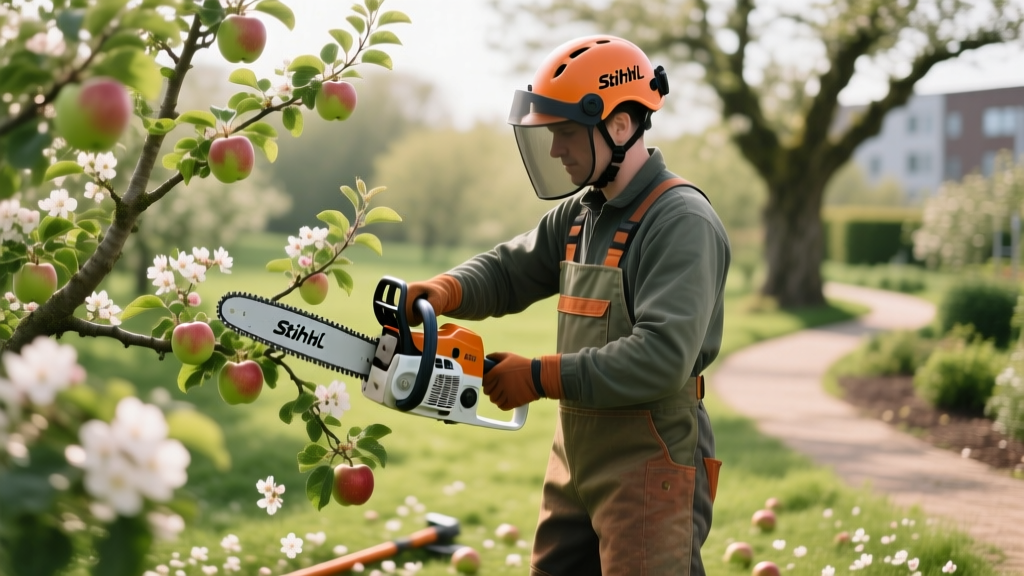
2026 Stihl Chainsaw Safety Gear: Chaps & Helmets for Orchards
Sarah ChenPublished
The Intersection of Foodscaping and Heavy Tree Care
Edible landscaping, often referred to as foodscaping, has evolved far beyond simple backyard vegetable patches. In 2026, modern food forests and permaculture designs frequently incorporate mature, heavy-yielding tree crops such as pecans, chestnuts, walnuts, and standard-sized apple or cherry trees. Managing these large edible trees requires serious maintenance, including structural pruning, storm damage cleanup, and the removal of diseased limbs. When a hand saw or lopper is no longer sufficient, homeowners and landscape professionals must turn to chainsaws. However, operating a chainsaw in an edible landscape presents unique hazards that demand top-tier protective equipment. This guide explores the essential 2026 Stihl chainsaw safety gear, specifically focusing on Stihl protective chaps and helmet systems, to ensure your foodscaping projects remain both productive and safe.
Unique Hazards in the Edible Landscape
Unlike a traditional forestry environment or a flat suburban yard, an edible landscape is a complex, multi-layered ecosystem. You are often navigating uneven terrain, raised garden beds, hidden drip irrigation lines, and thick understory plantings like raspberry brambles or sprawling squash vines. According to the Centers for Disease Control and Prevention (CDC), chainsaw injuries often occur due to loss of balance, kickback, or improper handling, risks that are exponentially higher when tripping hazards are abundant. Furthermore, pruning mature fruit and nut trees often requires reaching overhead or working on slight inclines, making the integration of high-quality Stihl safety gear an absolute necessity for any serious foodscape manager.
2026 Stihl Helmet Systems: Protecting Your Head and Hearing
When operating a chainsaw to prune a mature pecan tree or clear a damaged walnut branch, your head and face are in the direct line of falling debris, snapping twigs, and high-velocity wood chips. The 2026 lineup of Stihl helmets, particularly the Stihl Advance X-Vent and the classic Stihl Forestier systems, are engineered for the rigorous demands of orchard and food forest maintenance.
Visor and Face Protection
The Stihl Advance X-Vent helmet features a stainless steel mesh visor that provides exceptional visibility while stopping wood chips. In an edible landscape, where you need to clearly see the delicate fruit spurs and branch collars you are trying to preserve, the optical clarity of a mesh visor is superior to scratched plastic alternatives. The mesh also allows for maximum airflow, a critical feature when pruning apple trees during the humid late-summer months.
Hearing Conservation
Chainsaws routinely operate at decibel levels that can cause permanent hearing damage within minutes. The integrated earmuffs on the 2026 Stihl helmet systems offer a Noise Reduction Rating (NRR) of up to 25 decibels. This allows you to maintain focus on the sound of the chainsaw engine—listening for the pitch changes that indicate binding or kickback risk—while protecting your long-term auditory health.
Stihl Protective Chaps: Selecting the Right Layering for 2026
Leg injuries account for a significant percentage of chainsaw accidents. Stihl protective chaps are designed with specialized clogging technology; if the chainsaw bar contacts the chaps, the inner layers of Kevlar or Tecpro fibers are instantly drawn out and jam the chainsaw's drive sprocket, stopping the chain in a fraction of a second.
ProMark 5-Layer vs. 7-Layer Apron Chaps
For most foodscaping applications, the Stihl ProMark 5-Layer Apron Chaps offer the ideal balance of protection and mobility. Priced around $125 in 2026, these chaps provide comprehensive front-of-leg coverage. However, if your edible landscaping involves heavy brush clearing around the base of chestnut trees or working on steep, slippery orchard hillsides, upgrading to the Stihl ProMark 7-Layer Wrap-Around Chaps (approximately $185) provides 360-degree calf protection. The wrap-around design is crucial when navigating dense, thorny understory crops where you might twist or turn unexpectedly while the saw is running.
2026 Stihl Safety Gear Comparison Chart
| Gear Model | Best Foodscaping Use Case | Key Feature | Estimated 2026 Price |
|---|---|---|---|
| Stihl Advance X-Vent Helmet | Summer pruning of stone fruits; high visibility needed | Stainless mesh visor, high airflow ventilation | $165.00 |
| Stihl Forestier Helmet System | Winter structural pruning; heavy nut-tree limb removal | Durable polymer shell, heavy-duty earmuffs | $110.00 |
| Stihl ProMark 5-Layer Chaps | General orchard maintenance, raised bed border clearing | Lightweight, 5-layer clogging technology | $125.00 |
| Stihl ProMark 7-Layer Wrap Chaps | Steep terrain, dense bramble clearance near tree bases | 360-degree leg protection, 7-layer Tecpro | $185.00 |
Pre-Cut Safety Checklist for the Food Forest
Before firing up your chainsaw to manage your edible trees, run through this essential safety checklist to ensure your environment and gear are prepared:
- Clear the Drop Zone: Remove any delicate understory crops, harvested produce baskets, or portable irrigation headers from the immediate felling or pruning zone.
- Inspect Chaps for Sap and Dirt: Fruit trees like cherries and pines produce sticky sap. Ensure your Stihl chaps are clean; caked-on mud or hardened sap can compromise the outer layer's ability to tear and release the inner clogging fibers.
- Check Helmet Visor Tension: Ensure the mesh visor snaps securely into place and the ratcheting headband is tightened to prevent the helmet from slipping when you look up into the canopy.
- Verify Footing: Identify hidden tripping hazards such as exposed tree roots, buried hoop-house stakes, or slippery wet mulch before making your first cut.
Maintaining Your Gear Around Sticky Sap and Soil
Edible landscaping is a messy endeavor. You are constantly dealing with organic matter, wet compost, and tree sap. To ensure your Stihl protective chaps retain their life-saving properties, they must be cleaned according to the manufacturer's 2026 guidelines. Never use bleach or harsh degreasers on your chaps, as these chemicals can degrade the Kevlar and Tecpro fibers. Instead, use a mild detergent and a soft brush to remove sap and soil, then hang them to air dry out of direct UV light. Similarly, the mesh visor on your Stihl helmet should be wiped down with a damp cloth to remove sap residue, ensuring unobstructed vision when assessing the canopy structure of your apple or pear trees.
Proper Pruning Techniques for Edible Trees
Wearing the right Stihl safety gear is only half the equation; employing correct pruning techniques is the other. When using a chainsaw for orchard maintenance, the goal is to make clean, precise cuts that promote rapid healing and fruit production. The Arbor Day Foundation emphasizes the importance of identifying the branch collar and branch bark ridge before making any cut. Never flush-cut against the trunk, as this damages the tree's natural defense mechanisms and invites fungal pathogens that can devastate an edible crop. For limbs larger than three inches in diameter, always use the three-cut method to prevent the heavy, sap-laden wood from tearing the bark down the trunk as it falls. Additionally, the Occupational Safety and Health Administration (OSHA) strongly advises against using a chainsaw above shoulder height. If your foodscaping design requires high canopy pruning on mature nut trees, utilize a pole saw or hire a certified arborist rather than compromising your safety and balance.
Final Thoughts on Foodscaping Safety
Building and maintaining a thriving edible landscape is a deeply rewarding pursuit that connects you to the rhythms of nature. However, the stewardship of large fruit and nut trees commands respect and rigorous safety protocols. By investing in the 2026 lineup of Stihl protective chaps and helmet systems, you are not just buying equipment; you are securing your ability to continue tending your food forest for decades to come. Whether you are thinning the canopy of a legacy apple tree or clearing storm-damaged limbs from a pecan grove, proper safety gear ensures that your harvest is always accompanied by peace of mind.
