Tree Care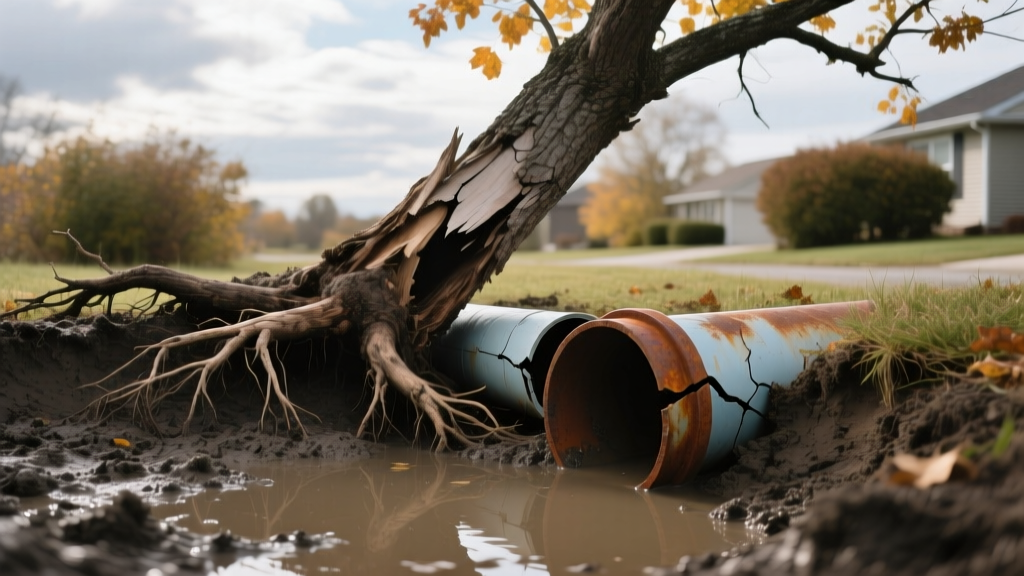
2026 Storm Tree Triage: Drainage Pipes & Root Repair
David ParkPublished
The Hidden Saboteur: How Landscape Drainage Pipes Dictate Tree Survival
When extreme weather events, atmospheric rivers, and sudden microbursts strike in 2026, the immediate assumption for a leaning or uprooted tree is often wind damage. However, as landscape drainage and arboriculture intersect more critically than ever, certified arborists and drainage specialists are uncovering a hidden saboteur: subsurface landscape drainage pipe failures. A tree's ability to withstand high winds is entirely dependent on its root anchorage, and that anchorage is directly compromised when subsurface water management systems fail. If a French drain clogs, a corrugated pipe collapses, or a catch basin overflows, the resulting soil saturation and hydrostatic pressure can liquefy the soil profile, effectively turning a stable root zone into a slip-and-slide.
According to the International Society of Arboriculture (ISA), a tree's ability to survive storm damage depends heavily on its root anchorage and the structural integrity of the surrounding soil. When landscape drainage pipes fail to divert water away from the root flare, the soil pores fill entirely with water, displacing oxygen. This not only weakens the mechanical grip of the anchor roots but also initiates anaerobic conditions that lead to rapid root rot. Therefore, modern tree triage in 2026 requires a dual-diagnostic approach: assessing the biological health of the tree and the structural integrity of the surrounding drainage infrastructure.
The Mechanics of Drainage-Induced Tree Failure
To properly triage a storm-damaged tree, you must first understand how landscape drainage pipes interact with tree root systems. There are two primary ways drainage infrastructure causes or exacerbates storm damage:
- Hydrostatic Pressure and Soil Liquefaction: When solid PVC or corrugated HDPE (High-Density Polyethylene) drainage pipes crack or become blocked by sediment, water backs up into the surrounding soil. During a heavy 2026 squall, this trapped water creates immense hydrostatic pressure. The soil loses its shear strength, and the tree's root plate essentially floats or slides, leading to a catastrophic lean or complete uprooting.
- Root Intrusion and Sinkhole Formation: Tree roots are naturally hydrotropic and aerotropic, meaning they seek out water and oxygen. Perforated drainage pipes wrapped in landscape fabric are prime targets for fine feeder roots. Over time, these roots infiltrate the pipe joints, expanding and crushing corrugated pipes. When the pipe collapses, the surrounding soil washes into the void, creating subsurface sinkholes near the trunk. During a storm, the tree falls into this hidden void because the structural support beneath the root flare has vanished.
The 2026 Triage Protocol: Assess
The first step in the triage process is a comprehensive assessment. The University of Minnesota Extension notes that soil saturation drastically reduces the pull-out strength of tree roots, making early assessment of the drainage zone critical. Do not immediately look at the broken canopy; look at the ground.
Visual and Physical Inspection Steps
- Check the Drainage Outlets: Trace the path of your landscape drainage system. Is water flowing freely from the daylighted pipe or pop-up emitter? If the outlet is dry during a rainstorm, you have a blockage or a collapsed pipe upstream, likely near the tree's root zone.
- Look for Subsidence: Inspect the soil around the tree's root flare for depressions, sinkholes, or unusual settling. This is a primary indicator that a subsurface drainage pipe has been crushed by root growth or heavy equipment, causing the soil to wash away into the pipe trench.
- Pneumatic Excavation (AirSpade): In 2026, the gold standard for assessing root and pipe damage without causing further harm is pneumatic excavation. Using compressed air to safely blow away soil allows arborists to expose the root flare, identify severed anchor roots, and locate the exact point where a drainage pipe has failed or been intruded upon by roots.
The 2026 Triage Protocol: Repair
If the assessment reveals that the tree's lean is less than 15 degrees, the canopy is at least 50% intact, and the root plate has not completely detached, the tree is a candidate for repair. However, repairing the tree without repairing the drainage pipe is a temporary fix that will fail during the next major storm.
Fixing the Drainage Infrastructure
If a corrugated ADS pipe has been crushed by roots or soil pressure, it must be replaced. In 2026, best practices dictate replacing damaged corrugated sections near mature trees with smooth-walled PVC SDR-35 pipe. PVC is highly resistant to root intrusion and can withstand greater soil loads. If the pipe must remain perforated to act as a French drain, it should be encased in a rigid, root-resistant geotextile sleeve or surrounded by coarse, washed drainage gravel rather than fine soil that invites root penetration.
Arboricultural Repair Techniques
Once the drainage pipe is repaired and water is successfully diverted away from the root zone, the tree itself must be stabilized. This involves carefully pruning torn or severed roots with sterilized, sharp bypass pruners to encourage clean callus growth. For trees that have shifted slightly, dynamic cabling and bracing systems (such as the Cobra system) can be installed in the upper canopy to reduce wind sail and allow the tree to safely re-establish its anchor roots over the next two to three growing seasons.
The 2026 Triage Protocol: Remove
As highlighted by Penn State Extension, assessing the target zone and the extent of root failure is paramount before attempting repairs. Sometimes, the damage caused by chronic drainage failures and acute storm forces is simply too severe. Removal is the only safe and responsible option under the following conditions:
- Severe Lean with Heaved Soil: If the tree is leaning more than 30 degrees and the soil on the windward side has visibly heaved or cracked, the anchor roots are completely severed. No drainage repair or cabling will save this tree.
- Advanced Root Rot from Chronic Waterlogging: If the drainage pipe failure has been ongoing for years, the root flare may be encased in waterlogged, anaerobic mud. If the structural roots are soft, spongy, and smell of decay, the tree is a hazard and must be removed.
- Target Zone Hazards: If the compromised tree is leaning toward a home, driveway, or high-traffic area, and the subsurface drainage trench has compromised the soil's load-bearing capacity, the risk of catastrophic failure is too high to justify repair.
Decision Matrix: Tree Triage Based on Drainage & Root Damage
| Damage Indicator | Drainage Pipe Status | Triage Decision | Action Required |
|---|---|---|---|
| Lean < 15°, minor canopy loss | Localized clog, minor root intrusion | Repair | Clear pipe, install root barrier, dynamic cabling, mulch. |
| Lean 15°-30°, soil subsidence | Collapsed corrugated pipe, sinkhole | Assess Further | AirSpade excavation, replace pipe with PVC SDR-35, evaluate root plate. |
| Lean > 30°, heaved soil on windward side | Severe washout, total trench failure | Remove | Safe dismantling, grind stump, regrade soil, install new drainage catch basin. |
| Upright, but chronic water pooling at flare | Improper slope, blocked daylight outlet | Preventative Repair | Reroute downspouts, install French drain away from drip line, aerate soil. |
Future-Proofing Your Landscape for 2026 and Beyond
The intersection of tree care and landscape drainage requires proactive planning. When planting new trees or upgrading your yard's water management system, always maintain a safe distance between major structural roots and drainage trenches. If a drainage pipe must cross a tree's critical root zone (CRZ), utilize trenchless boring methods rather than open trenching to avoid severing vital anchor roots. Furthermore, ensure that all pop-up emitters and catch basins are equipped with debris guards to prevent sediment and organic matter from clogging the system during heavy autumn leaf fall or spring storms.
By viewing storm-damaged trees through the lens of subsurface water management, homeowners and landscape professionals can make informed, safe, and cost-effective triage decisions. Remember that a tree is only as strong as the soil it stands in, and in modern landscaping, that soil is entirely at the mercy of your drainage pipes.