Tree Care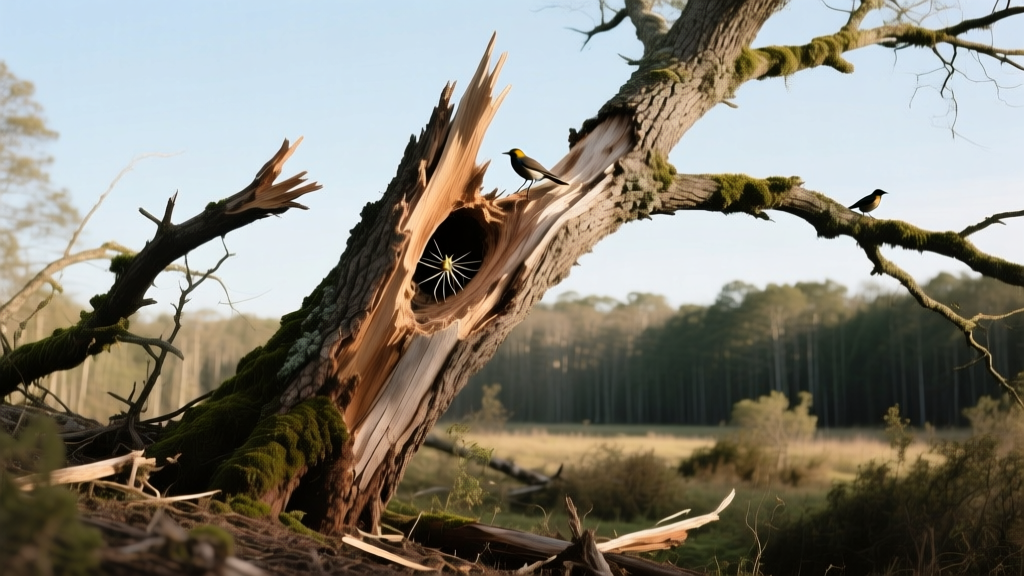
2026 Storm Tree Triage: Wildlife-Safe Repair or Remove Guide
Lisa ThompsonPublished
The 2026 Reality: Severe Storms and Wildlife Habitat Loss
The 2026 storm season has brought an unprecedented wave of microbursts, ice storms, and high-wind events across the country. For homeowners and property managers, the immediate aftermath of a severe storm usually involves a frantic assessment of damaged trees. The standard instinct—and often the immediate advice from conventional landscaping crews—is to cut down any compromised tree to eliminate liability. However, from a Wildlife and Yard Animal Management perspective, this knee-jerk reaction is devastating to local ecosystems.
Storm-damaged trees are not just debris; they are critical ecological real estate. Broken limbs expose heartwood, creating instant cavities for screech owls and raccoons. Stripped bark provides foraging grounds for woodpeckers. When we indiscriminately remove storm-damaged trees, we trigger a localized housing crisis for cavity-nesting birds, bats, and arboreal mammals. This comprehensive 2026 guide will teach you how to perform a proper tree triage, balancing human safety with the urgent need to preserve and create wildlife habitats in your yard.
Step 1: The Human Safety Assessment
Before we can advocate for the local wildlife, we must ensure the tree does not pose an immediate threat to human life or property. Safety is the non-negotiable first step in any triage protocol. Grab your binoculars and conduct a thorough visual inspection from the ground.
Identify Critical Failure Points
- Root Plate Heave: Look at the base of the tree. If the soil on one side is mounded or cracked, the root system has likely snapped. This tree is a severe hazard and must be removed, regardless of wildlife value.
- Trunk Splits: A vertical split extending down the main trunk compromises the entire structural integrity of the tree. If the split is below the first major branch union, the tree cannot be safely repaired.
- Hanging Widow-Makers: Broken branches caught in the canopy are incredibly dangerous. They can drop without warning during the next light breeze.
- Target Assessment: A damaged tree is only a hazard if it has a 'target.' If the tree is leaning toward your home, a power line, or a frequently used pathway, the threshold for removal is much lower than if it is leaning toward an open, unused field.
Step 2: The Wildlife Audit
If the tree passes the initial safety check, or if it can be made safe through partial removal, it is time to conduct a wildlife audit. In 2026, we have access to incredible technology to assist with this. Using a smartphone-attached thermal imaging camera, such as the FLIR ONE Pro, you can scan the trunk and major limbs at dusk to detect the body heat of roosting bats, nesting owls, or sheltered squirrels without physically disturbing them.
Look for the following signs of active habitation:
- Cavity Entrances: Holes in the trunk, especially those with smooth, worn edges, indicate active use by woodpeckers or secondary nesters like chickadees and nuthatches.
- Bark Crevice Roosts: Peeling bark on dead or dying limbs is a primary summer roosting spot for tree-dwelling bat species, such as the Eastern Red Bat.
- Scratch Marks and Guano: Look for claw marks around cavities or small piles of droppings at the base of the trunk, which can indicate raccoon or owl activity.
According to the National Wildlife Federation's Garden for Wildlife program, leaving dead or damaged wood in the landscape is one of the most impactful ways to support declining bird and bat populations, provided it does not pose a safety risk to structures.
The 2026 Triage Decision Matrix
Use the following matrix to determine the best course of action for your storm-damaged tree, weighing both structural integrity and ecological value.
| Damage Profile | Human Risk Level | Wildlife Value | Recommended 2026 Action |
|---|---|---|---|
| Complete Root Heave / Severe Lean over Home | Critical | High (but secondary to safety) | Complete removal; replace habitat with brush piles and artificial roosts. |
| Shattered Crown / Top Breakage | Moderate to High | Extremely High (instant snag) | Drop the hazardous top; leave the bottom 15-20 feet as a wildlife snag. |
| Major Limb Tear / Hanger | Moderate | Moderate (foraging habitat) | Clean the tear with a precision prune; install dynamic cabling if needed. |
| Bark Stripping / Minor Branch Loss | Low | High (insect foraging) | Leave alone; allow natural compartmentalization and insect colonization. |
Repairing Trees Without Evicting the Locals
When a tree is damaged but structurally sound enough to save, the repair process must be mindful of the animals living within it. Traditional arboriculture often relies on rigid hardware, such as steel bolts and static cables, to brace split limbs. However, modern 2026 best practices favor dynamic support systems.
Dynamic cabling systems, like the widely used Cobra braided rope systems, allow the tree to move naturally in the wind. This movement stimulates the tree to grow reaction wood, strengthening itself over time. More importantly, dynamic systems require less invasive drilling into the trunk, preserving the internal heartwood and preventing the disruption of active cavity nests that steel bolts might cause.
Furthermore, timing is everything. The National Audubon Society strongly advises against major pruning or tree removal during primary nesting seasons. In 2026, always consult your local university extension office for the exact nesting windows in your specific hardiness zone before authorizing any repair work that involves cutting near cavities or dense canopy cover.
The Art of the Wildlife Snag: Safe Partial Removal
The most powerful tool in the wildlife manager's arsenal is the 'snag'—a standing dead or severely damaged tree. If a tree's crown is shattered by a storm and the upper limbs pose a hazard to a nearby fence or road, you do not have to cut the tree down to the ground.
Instead, hire a certified arborist to perform a 'topping' or 'snag creation' cut. The arborist will safely dismantle the hazardous top 30 feet of the tree, piece by piece, using rigging ropes. They will leave the bottom 15 to 20 feet of the trunk standing. This remaining trunk is no longer a wind-sail hazard, meaning it will not blow over in the next storm, but it becomes an absolute paradise for wildlife.
Within months, the exposed top of the snag will begin to decay, softening the wood for Pileated Woodpeckers to excavate deep nesting cavities. Once the woodpeckers abandon these nests in subsequent years, secondary species like Eastern Screech Owls, American Kestrels, and flying squirrels will move in. The Arbor Day Foundation's Tree Health Guide notes that a single large snag can support dozens of different species over its multi-decade lifespan.
Mitigating Total Removal: Replacing the Habitat
Sometimes, a tree is simply too dangerous to keep in any form. If root rot or a massive trunk split dictates complete removal and stump grinding, you must actively mitigate the habitat loss. As stewards of our yard ecosystems, we must replace the resources we take away.
Constructing a Wildlife Brush Pile
Instead of hauling the storm-damaged wood to the landfill, use it to construct a wildlife brush pile in a quiet corner of your property. Start with a base of large, thick logs (4 to 6 inches in diameter) laid parallel to each other, leaving gaps underneath. This base provides essential shelter for ground-dwelling animals like toads, salamanders, and rabbits. Next, layer smaller branches and twigs perpendicularly across the top, building a pile about 4 to 6 feet high. This dense thicket offers critical thermal cover and predator protection for overwintering birds and small mammals.
Installing Modern Bat and Bird Houses
If the removed tree contained active bat roosts, replace that lost habitat immediately. In 2026, multi-chambered bat houses designed to mimic the thermal properties of exfoliating bark are highly effective. Mount a dark-colored, multi-chamber bat house on a wooden post at least 15 feet off the ground, facing south or southeast to catch the morning sun. Ensure it is located within a quarter-mile of a permanent water source to maximize occupancy rates.
Conclusion
Managing storm-damaged trees requires a delicate balance between human safety and ecological responsibility. By adopting a thoughtful triage protocol, utilizing dynamic repair techniques, and creatively employing snags and brush piles, you can navigate the aftermath of severe weather without displacing your yard's most vulnerable residents. The next time a storm tears through your canopy, look past the broken wood and see the opportunity to foster a richer, more resilient local wildlife habitat.
