Lawn Care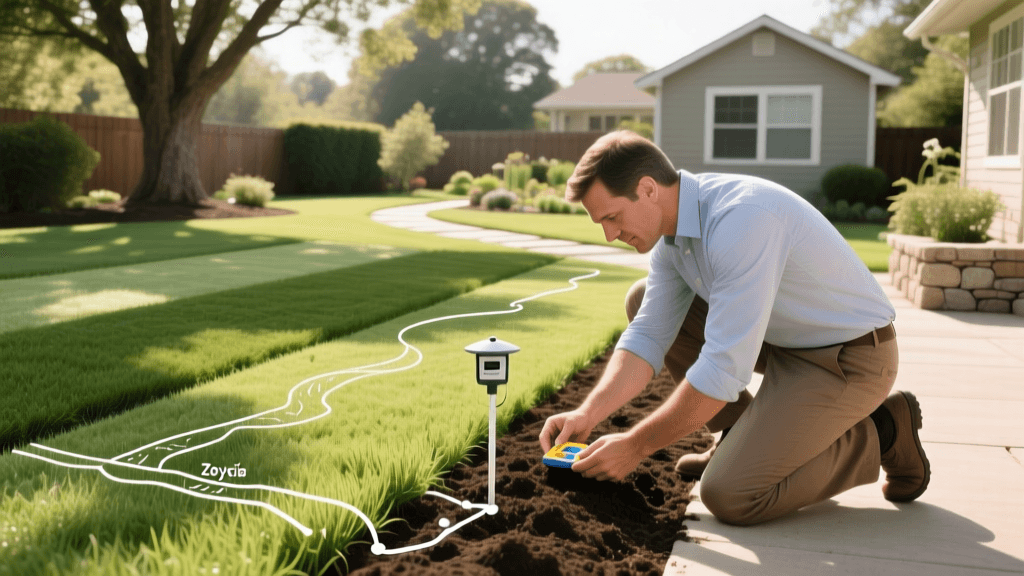
Strategic Lawn Planning: Mapping Zones for Perfect Grass Selection
The Foundation of Lawn Design: Microclimate Mapping
A flawless, magazine-worthy lawn is rarely the result of simply tossing seed over existing dirt and hoping for the best. True lawn care excellence begins long before the first bag of fertilizer is opened or the first sod is laid. It starts with strategic lawn planning and design. By treating your yard as a series of distinct microclimates rather than a single uniform space, you can design a landscape that is resilient, water-efficient, and visually stunning.
Many homeowners make the critical mistake of planting a single grass variety across their entire property. However, variations in sunlight, soil composition, and drainage mean that a grass species thriving in the front yard might completely fail in the shaded backyard. Strategic lawn planning involves mapping these variables to create hydro-zones and sun-zones, ensuring that every square foot of your turf is perfectly matched to its environment.
This comprehensive guide will walk you through the essential planning phases of lawn renovation, from conducting sun audits and soil testing to designing mower-friendly boundaries and selecting the exact right grass species for your unique property.
Step 1: Conducting a Comprehensive Sun and Shade Audit
Grass requires photosynthesis to survive, but the amount of direct sunlight needed varies drastically between species. Before selecting your seed or sod, you must map the solar exposure of your yard. The most effective way to do this is by creating a 'sun map' during the peak growing season.
The Stopwatch Method
Spend a clear, sunny day observing your yard. Starting at 8:00 AM, check your lawn every hour and mark which areas are in direct sunlight and which are shaded by trees, fences, or your home. Categorize your yard into three distinct zones:
- Full Sun Zones: Areas receiving 8 or more hours of direct, unfiltered sunlight daily. These zones can support high-traffic, aggressive grasses like Bermudagrass or Kentucky Bluegrass.
- Partial Shade Zones: Areas receiving 4 to 6 hours of direct sunlight, or dappled sunlight throughout the day. Tall Fescue and Zoysiagrass perform well here.
- Full Shade Zones: Areas receiving less than 4 hours of direct sunlight. Most traditional turfgrasses will struggle here. You will need to plan for shade-tolerant Fine Fescues or pivot your design to include shade-loving ground covers like creeping thyme or hostas.
Pro Tip: Use a digital sunlight calculator, such as the Luster Leaf Rapitest, which measures accumulated light over a 12-hour period, removing the guesswork from your audit.
Step 2: Soil Testing and Topography Planning
Designing a lawn without a soil test is like building a house without a foundation. Soil pH and nutrient profiles dictate how efficiently your grass will absorb the fertilizers you apply later.
'A standard soil test should be conducted every three years to monitor pH and macronutrient levels. Applying lime or sulfur without a soil test can lead to nutrient lockout, wasting money and damaging the turf.'
— Penn State Extension, Department of Plant Science
Order a comprehensive soil test from your local university cooperative extension office (typically costing between $15 and $30). The results will provide exact measurements of your soil's pH, phosphorus, potassium, and organic matter content.
Grading and Drainage Design
Topography is a critical, often overlooked element of lawn planning. Poor drainage leads to waterlogged soil, shallow root systems, and fungal diseases like Pythium blight. When planning your lawn's grading, ensure a minimum 2% slope (a drop of 1/4 inch per foot) away from your home's foundation and hardscapes. If your yard has severe low spots, plan to incorporate French drains or dry creek beds into your landscape design before laying down the 6 to 8 inches of premium topsoil required for a healthy turf root zone.
Step 3: Hydro-Zoning and Smart Irrigation Design
Hydro-zoning is the practice of grouping plants and turf areas with similar water requirements together. According to the University of California Agriculture and Natural Resources (UC ANR), hydro-zoning can reduce landscape water usage by up to 30% while preventing the overwatering of drought-tolerant areas.
When planning your irrigation layout, separate your full-sun turf zones from your shaded turf zones and ornamental garden beds. Full-sun zones will require more frequent, deeper watering cycles, while shaded zones retain moisture longer and are highly susceptible to root rot if overwatered.
Upgrading to Smart Irrigation
Integrate a smart irrigation controller into your design phase. Devices like the Rachio 3 Smart Sprinkler Controller (retailing around $229) connect to local weather stations and automatically skip watering cycles when rain is in the forecast. Pair this controller with Hunter MP Rotator nozzles, which apply water at a slower, more efficient rate (0.4 inches per hour), drastically reducing runoff on sloped or clay-heavy soils.
Step 4: Selecting Grass Varieties by Mapped Zones
With your sun map, soil test, and hydro-zones established, you can now select the precise grass species for each area of your yard. Below is a strategic comparison chart to help you match grass types to your mapped microclimates.
| Grass Type | Climate Zone | Sun Tolerance | Water Needs | Est. Seed Cost (per sq ft) |
|---|---|---|---|---|
| Kentucky Bluegrass | Cool-Season | Full Sun | High | $0.08 - $0.12 |
| Tall Fescue | Transition / Cool | Sun to Partial Shade | Moderate | $0.06 - $0.10 |
| Fine Fescue | Cool-Season | Partial to Full Shade | Low | $0.10 - $0.15 |
| Bermudagrass | Warm-Season | Full Sun | Moderate | $0.05 - $0.09 |
| Zoysiagrass | Warm-Season | Sun to Partial Shade | Low to Moderate | $0.15 - $0.25 (Sod) |
| St. Augustine | Warm-Season | Partial Shade Tolerant | High | $0.30 - $0.45 (Sod) |
For transition zones (areas that experience both hot summers and cold winters), a blend of Tall Fescue and Kentucky Bluegrass offers an excellent balance of deep drought-resistant roots and aggressive rhizome recovery. In deep shade where Fine Fescue still struggles, consider removing the turf entirely and designing a mulched landscape bed with shade-tolerant perennials.
Step 5: Designing Mower-Friendly Turf Boundaries
A well-designed lawn is not just about the grass; it is about how you interact with it. Landscape beds, trees, and hardscapes should be designed with your lawnmower in mind. Sharp, acute angles and narrow corridors between garden beds force you to stop, reverse, and manually trim, doubling your mowing time.
The Mow Strip Concept
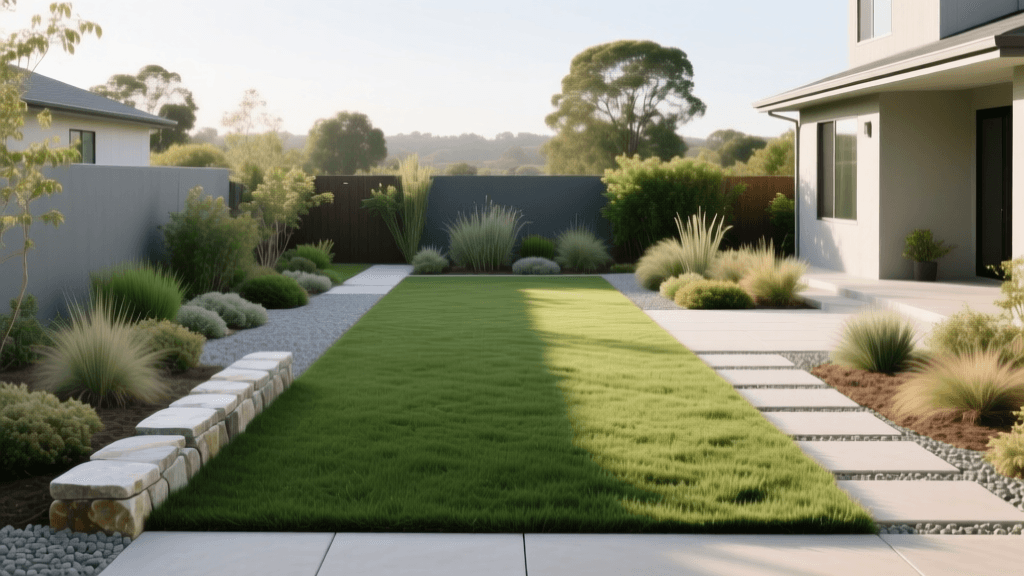
When planning the boundaries between your lawn and garden beds, incorporate a 'mow strip.' This is a flush border of brick, pavers, or stone installed at the exact same height as the turf. When edging your beds, ensure the soil and mulch are pulled back slightly below the mow strip. This allows you to drive one wheel of your mower directly onto the paver border, eliminating the need for a string trimmer and protecting tree trunks from devastating 'mower blight' (bark damage caused by nylon trimmer line).
Furthermore, design your garden bed edges with sweeping, gradual curves. A minimum curve radius of 3 feet ensures that standard zero-turn and push mowers can glide along the perimeter without scalping the turf or leaving uncut patches.
Budgeting Your Strategic Lawn Renovation
Proper planning requires an accurate budget. Here is a breakdown of the essential design and preparation costs for a standard 5,000-square-foot lawn renovation:
- Comprehensive Soil Testing: $20 - $40
- Sunlight Calculator Tool: $25 - $35
- Topsoil and Grading (6 inches over 5,000 sq ft): $1,500 - $2,500 (including delivery and labor)
- Smart Irrigation Controller & Sensors: $250 - $350
- Premium Grass Seed & Starter Fertilizer: $250 - $400
- Flush Mow-Strip Pavers (100 linear feet): $300 - $500
While the upfront costs of strategic planning and soil preparation may seem high, they prevent the catastrophic failure of cheap, poorly placed seed. By mapping your microclimates, investing in smart hydro-zoning, and designing for maintenance efficiency, you are building a lawn that will save you time, water, and money for decades to come.