Lawn Care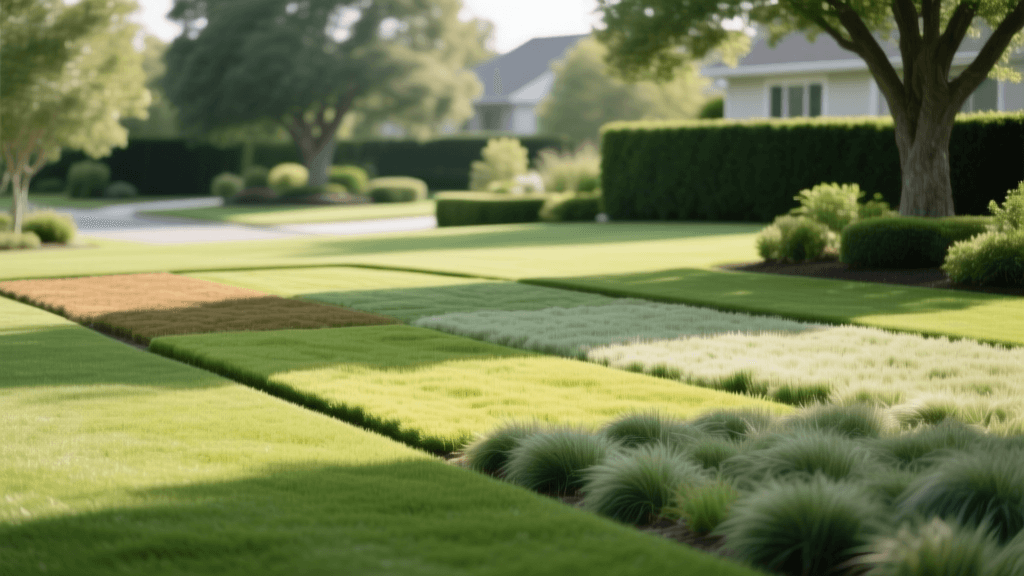
Strategic Lawn Planning: Turf Zones and Maintenance
The Foundation of Strategic Lawn Design
Designing a beautiful, resilient lawn goes far beyond simply broadcasting seed over bare dirt and turning on the sprinklers. True lawn care begins long before the first blade of grass emerges from the soil. It starts with strategic lawn planning, a deliberate approach to designing your outdoor space based on environmental factors, functional needs, and long-term maintenance goals. When homeowners skip the planning phase, they often end up with patchy grass, excessive water bills, and a weekend chore list that feels more like a punishment than a hobby. By treating your lawn as a series of interconnected ecosystems rather than a single monolithic carpet, you can drastically reduce the time, money, and chemical inputs required to keep your yard looking pristine. This guide will walk you through the essential design principles of turfgrass selection, microclimate mapping, and hydrozoning to ensure your lawn thrives in its specific environment.
Mapping Your Yard's Microclimates
Before selecting any grass seed or laying down sod, you must understand the unique microclimates present in your yard. A microclimate is a localized set of atmospheric conditions that differ from the surrounding general area. In a typical residential landscape, the south-facing side of your home might receive intense, baking sun for ten hours a day, while the narrow strip between your house and the fence remains in deep, damp shade. Attempting to plant a single type of turfgrass across both of these zones is a recipe for failure.
To map your microclimates, spend a weekend observing your yard. Note the areas that receive full sun (at least six to eight hours of direct light), partial shade (three to six hours), and heavy shade (less than three hours). Pay attention to how water pools after a heavy rainstorm and which areas dry out and crack first during a summer heatwave. Furthermore, consider the impact of hardscaping and architecture. Concrete patios and brick walls radiate heat, creating arid microclimates that can scorch cool-season grasses, while low-lying areas near downspouts create boggy conditions that promote fungal diseases and root rot.
Hydrozoning for Efficient Lawn Care
Once you have mapped your microclimates, the next critical step in lawn design is hydrozoning. Hydrozoning is the practice of grouping plants and turfgrasses with similar water, sunlight, and soil requirements together into distinct management zones. This design strategy prevents the common mistake of overwatering shade-tolerant grasses just to keep a nearby sun-loving patch alive. By aligning your irrigation system with your hydrozones, you can reduce outdoor water usage by up to thirty percent while maintaining a healthier root system across the entire property.
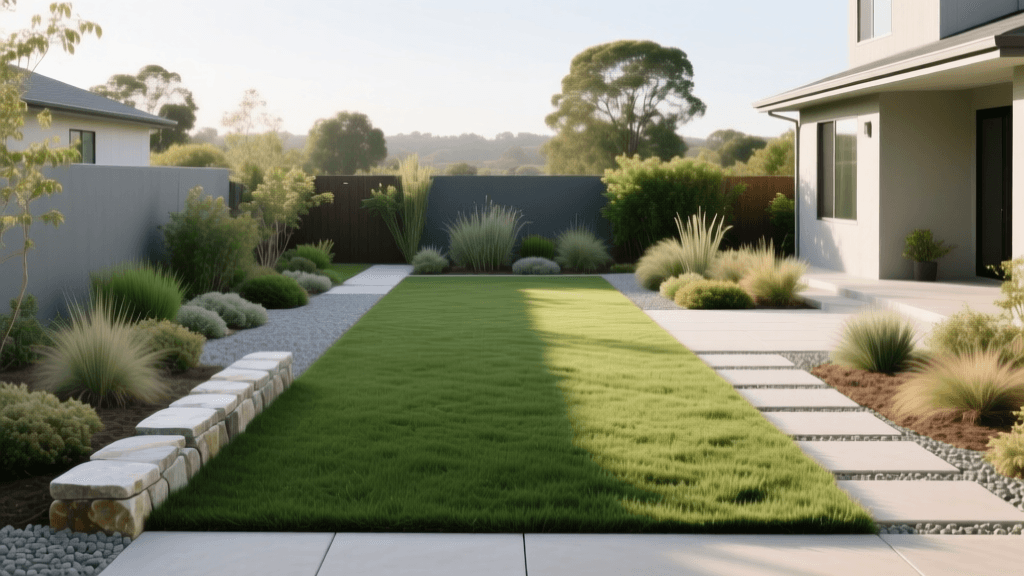
When planning your hydrozones, consider the transition areas between your primary lawn and the surrounding garden beds. Turfgrass should be kept out of narrow, irregular strips between sidewalks and foundations, as these areas are notoriously difficult to mow and irrigate efficiently. Instead, reserve turfgrass for wide, open, and functional spaces where it can be easily maintained.
| Zone Type | Sun Exposure | Irrigation Needs | Recommended Turf / Groundcover | Maintenance Level |
|---|---|---|---|---|
| Primary Play Zone | Full Sun | High (1.5 inches/week) | Bermuda, Zoysia, or Kentucky Bluegrass | High (Weekly mowing, aeration) |
| Ornamental Zone | Full to Partial Sun | Moderate (1 inch/week) | Tall Fescue or Fine Fescue blends | Moderate (Bi-weekly mowing) |
| Shaded Sanctuary | Heavy Shade | Low (0.5 inches/week) | St. Augustine, Fine Fescue, or Moss | Low (Infrequent mowing, no heavy traffic) |
| Transition Buffer | Mixed | Minimal / Drip | Mulch, Clover, or Creeping Thyme | Very Low (Edging, occasional trimming) |
Matching Turfgrass to Functional Zones
A successful lawn design must account for how the space will actually be used. Not all grasses are created equal when it comes to wear tolerance and recovery rates. If you have children or large dogs, your primary play zone requires a high-traffic turfgrass with aggressive rhizome or stolon growth. For warm-season lawns, Bermuda grass and Zoysia grass are virtually indestructible, recovering quickly from divots and heavy foot traffic. For cool-season climates, a blend of Kentucky Bluegrass and Perennial Ryegrass offers the best combination of durability and rapid germination.
Conversely, ornamental zones that are meant primarily for visual appeal rather than recreation can be planted with lower-maintenance, fine-textured grasses. Hard fescue and creeping red fescue are excellent choices for low-traffic, partially shaded ornamental zones. These grasses require significantly less nitrogen fertilizer—often thriving on just one to two pounds of nitrogen per thousand square feet annually—and can be left unmowed for a natural, meadow-like appearance or mowed at a higher three-inch setting to promote deep root growth.
Soil Preparation and Irrigation Planning
The most meticulously planned lawn design will fail if the soil foundation is neglected. Before finalizing your turf selection, conduct a comprehensive soil test through your local university extension office. This test, which typically costs between twenty and thirty dollars, will reveal your soil pH, cation exchange capacity, and baseline macronutrient levels. Most turfgrasses prefer a slightly acidic soil pH between 6.0 and 7.0. If your soil is highly alkaline or clay-heavy, you may need to incorporate two to three inches of organic compost and apply elemental sulfur during the grading phase to improve drainage and nutrient availability.
Irrigation planning should also be integrated into the design phase. Ditch the outdated spray-head systems that water the sidewalk and the street simultaneously. Instead, design your system using rotary nozzles for large turf zones, which apply water at a slower rate to prevent runoff and allow for deep soil penetration. For the transition buffer zones and garden beds, install a subsurface drip irrigation system. Smart irrigation controllers that connect to local weather stations and soil moisture sensors are a worthwhile investment, typically costing between two hundred and three hundred dollars, but they pay for themselves within two seasons by eliminating unnecessary watering cycles.
Seasonal Timing for Lawn Implementation
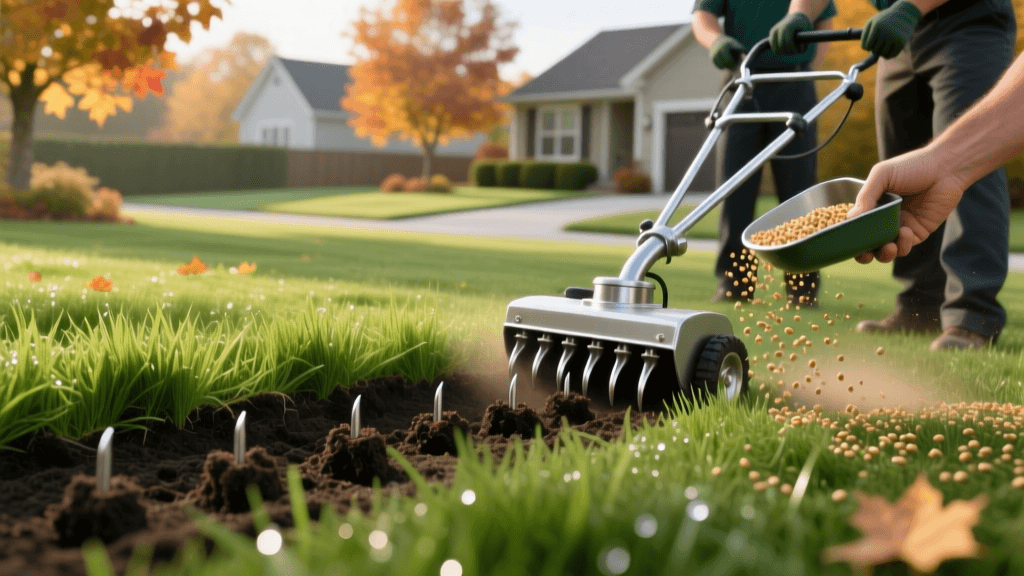
The timing of your lawn installation or renovation is just as critical as the design itself. For cool-season grasses like Kentucky Bluegrass, Tall Fescue, and Perennial Ryegrass, the optimal planting window is late summer to early fall (mid-August through September). During this period, soil temperatures remain warm enough to encourage rapid seed germination, while the cooling air temperatures reduce heat stress and evaporation. Furthermore, fall planting allows the root system to establish deeply before the onset of summer droughts.
For warm-season grasses such as Bermuda, Zoysia, and Centipede, late spring to early summer (May through June) is the ideal time for sod installation or sprigging. These grasses require warm soil temperatures (above 65 degrees Fahrenheit) to break dormancy and establish stolons. Planting warm-season grasses too early in the spring leaves them vulnerable to late frost damage and aggressive cool-season weed competition. By aligning your implementation schedule with the natural growth cycles of your chosen turfgrass, you minimize the need for excessive supplemental watering and chemical herbicides during the vulnerable establishment phase.
Expert Insights on Sustainable Lawn Planning
Leading agricultural institutions strongly advocate for strategic planning over reactive lawn care. According to the University of California Agriculture and Natural Resources (UC ANR), implementing hydrozoning and selecting climate-appropriate turfgrasses are the most effective ways to combat urban water scarcity.
'A well-planned landscape groups plants with similar water needs, ensuring that no plant is over- or under-watered. By matching the plant to the site conditions and utilizing efficient irrigation technologies, homeowners can maintain beautiful, functional landscapes while drastically reducing their environmental footprint,' notes the UC ANR Water Conservation guidelines.
By adopting these institutional best practices, you transition from a constant cycle of treating lawn problems to proactively managing a resilient, thriving ecosystem.
Conclusion: The Long-Term Value of Planning
Ultimately, strategic lawn planning is an investment in your property's future. By taking the time to map microclimates, implement hydrozoning, select the appropriate turfgrass for specific functional zones, and prepare the soil properly, you set the stage for a lawn that is both beautiful and ecologically responsible. The upfront effort and initial costs of soil testing, smart irrigation installation, and premium seed blends will pay dividends for years to come. You will spend less time pushing a mower, less money on municipal water bills, and significantly less energy worrying about brown patches and lawn diseases. A well-designed lawn is not just a carpet of green; it is a carefully orchestrated landscape that works in harmony with its environment, providing a sustainable and enjoyable outdoor space for your family to cherish.